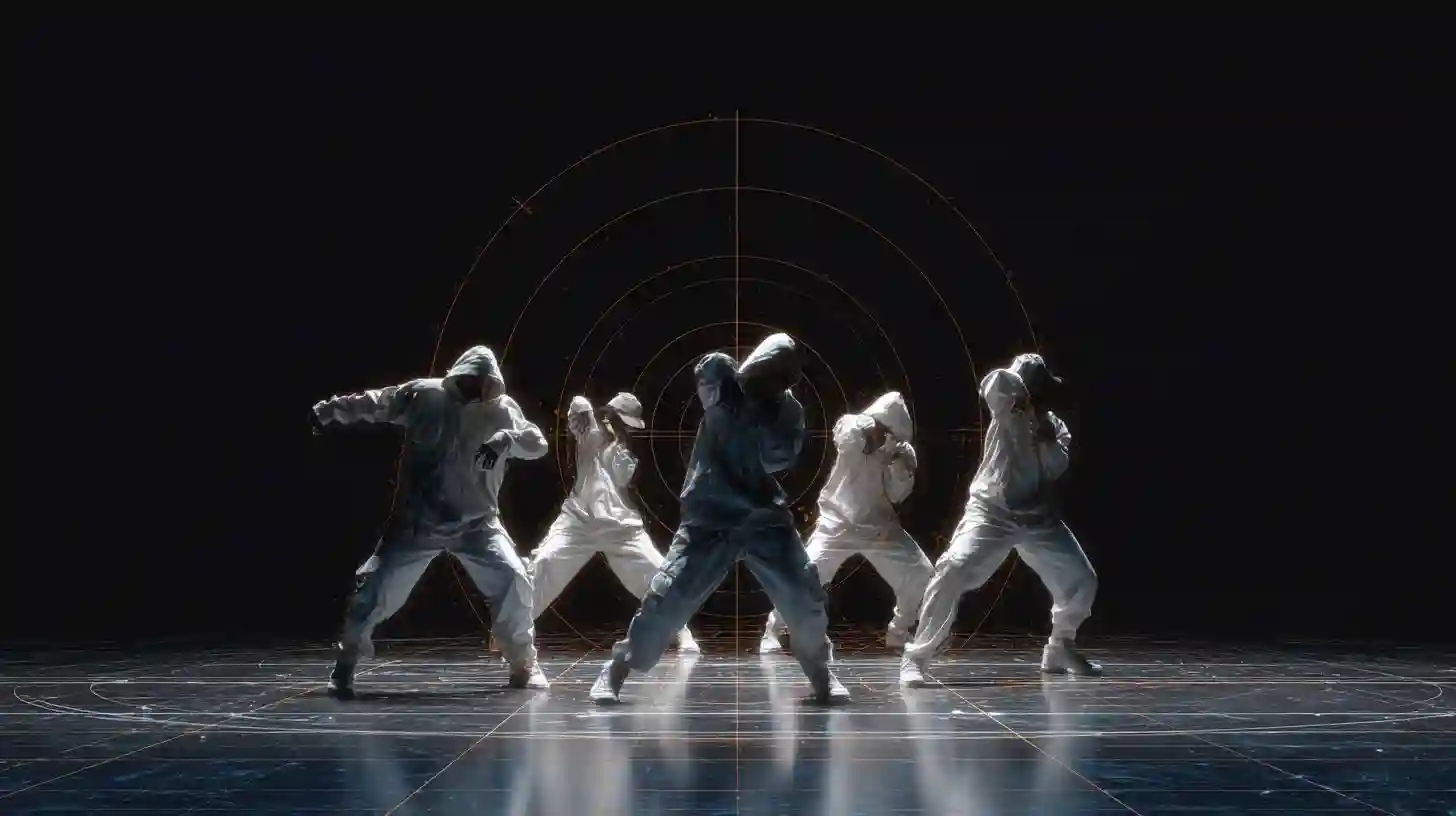
Street dance has undergone a remarkable transformation over the years, evolving from its roots in hip-hop to embrace a wide range of contemporary styles. What began as a form of expression within urban communities, especially in the United States, has blossomed into a global phenomenon with diverse influences. Hip-hop, which originated in the 1970s in the Bronx, New York, laid the foundation for street dance. Early pioneers used it as a way to connect with others, showcase individuality, and bring people together. As hip-hop culture grew in prominence, so did its dance elements, which included breaking, locking, and popping. These styles were characterized by their strong, rhythmic movements and improvisational nature, offering dancers the freedom to express themselves while interacting with the music.
As the years went by, street dance began to incorporate elements from various other genres, including jazz, ballet, and modern dance, creating a hybrid culture that could transcend boundaries. This shift gave birth to styles such as jazz-funk, which blended the sharp, energetic moves of hip-hop with the fluidity and grace of jazz. Another style, krumping, emerged in the early 2000s, showcasing raw, expressive movements often associated with releasing intense emotions. Meanwhile, voguing, inspired by the fashion world and the ballroom scene, became more widely recognized, with its sharp, angular poses and dramatic flair making a strong statement in the dance community.
The influence of social media and television competitions has also played a key role in the growth of street dance. Shows like "So You Think You Can Dance" and viral YouTube videos have introduced these styles to a much broader audience, allowing dancers from all over the world to showcase their skills and gain recognition. This global exposure has led to the fusion of various dance forms and the rise of new styles, from commercial hip-hop to contemporary dance, that blend street dance with more traditional techniques. Street dance has, over time, transformed from a rebellious form of self-expression to a mainstream art form embraced by dancers and audiences alike.