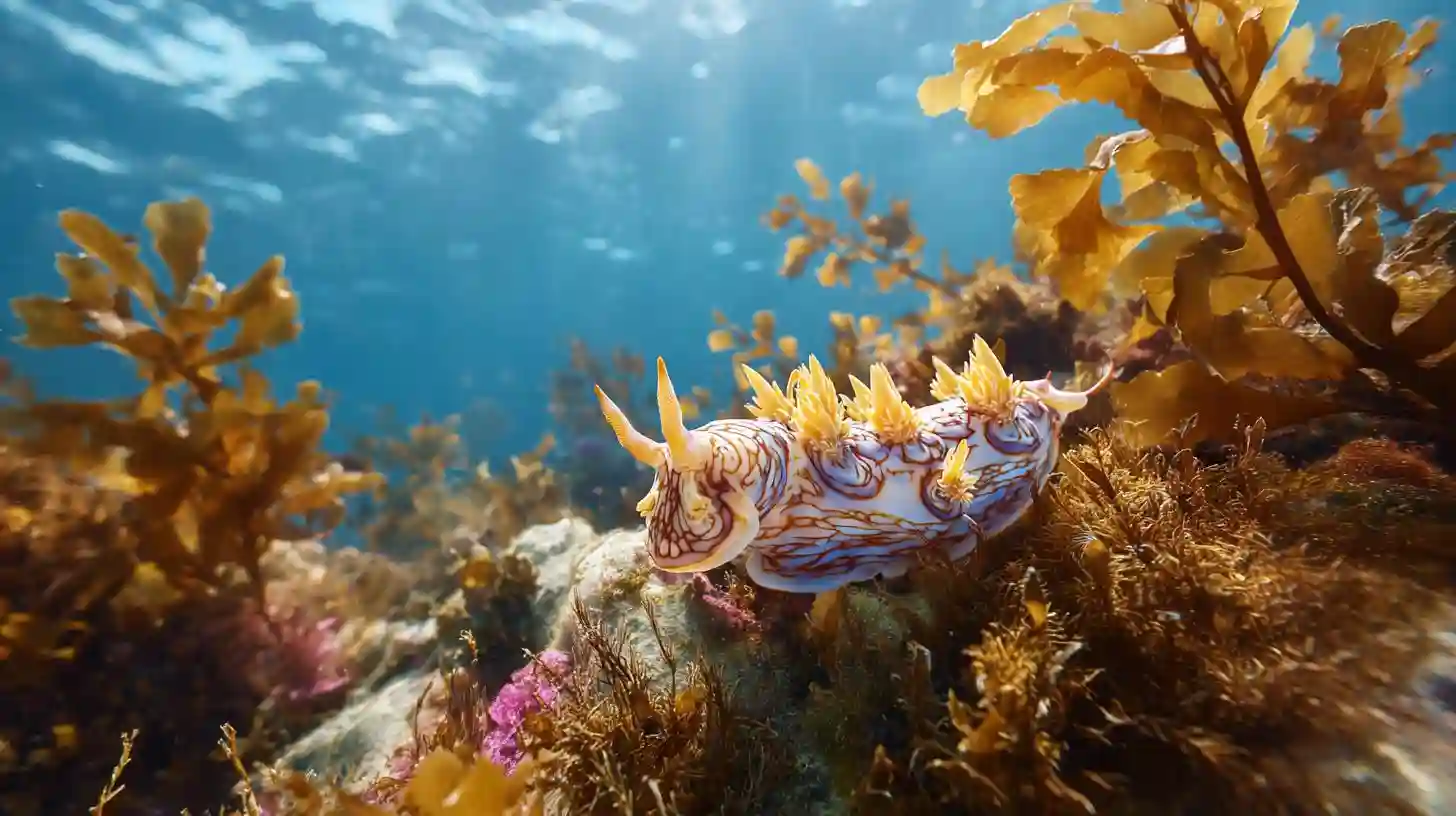
Sea hares are marine gastropod mollusks that play a crucial role in maintaining the balance of marine ecosystems. These fascinating creatures are often found in shallow waters along coasts and in seagrass meadows, where they contribute to the health of underwater environments. Sea hares primarily feed on algae, particularly types of seaweed that can overgrow and disrupt the ecosystem if left unchecked. By grazing on these algae, sea hares help control algal populations, preventing excessive growth that could smother coral reefs and seagrass beds, which are vital habitats for many marine species.
The presence of sea hares also supports the productivity of marine environments. As they consume algae, they produce waste that is rich in nutrients, which in turn benefits the growth of phytoplankton and smaller organisms. These nutrients are an important part of the food web, as they help sustain the primary producers that form the base of marine food chains. Furthermore, sea hares are an essential food source for various predators, including fish and sea stars, ensuring their place in the larger ecological framework.
In addition to their role in maintaining the balance of marine life, sea hares are valuable to researchers studying the ocean's biodiversity and health. Due to their relatively simple physiology and active foraging behavior, they serve as models for studying the effects of environmental changes, such as rising water temperatures and acidification, on marine organisms. Understanding how sea hares respond to these stressors can provide insights into the broader impacts of climate change on marine ecosystems.
The vibrant colors and unique appearance of sea hares also make them an intriguing subject for marine tourism and education. Their role in the ecosystem highlights the interconnectedness of life in the ocean and the importance of protecting even the smallest creatures to preserve the health of the seas.