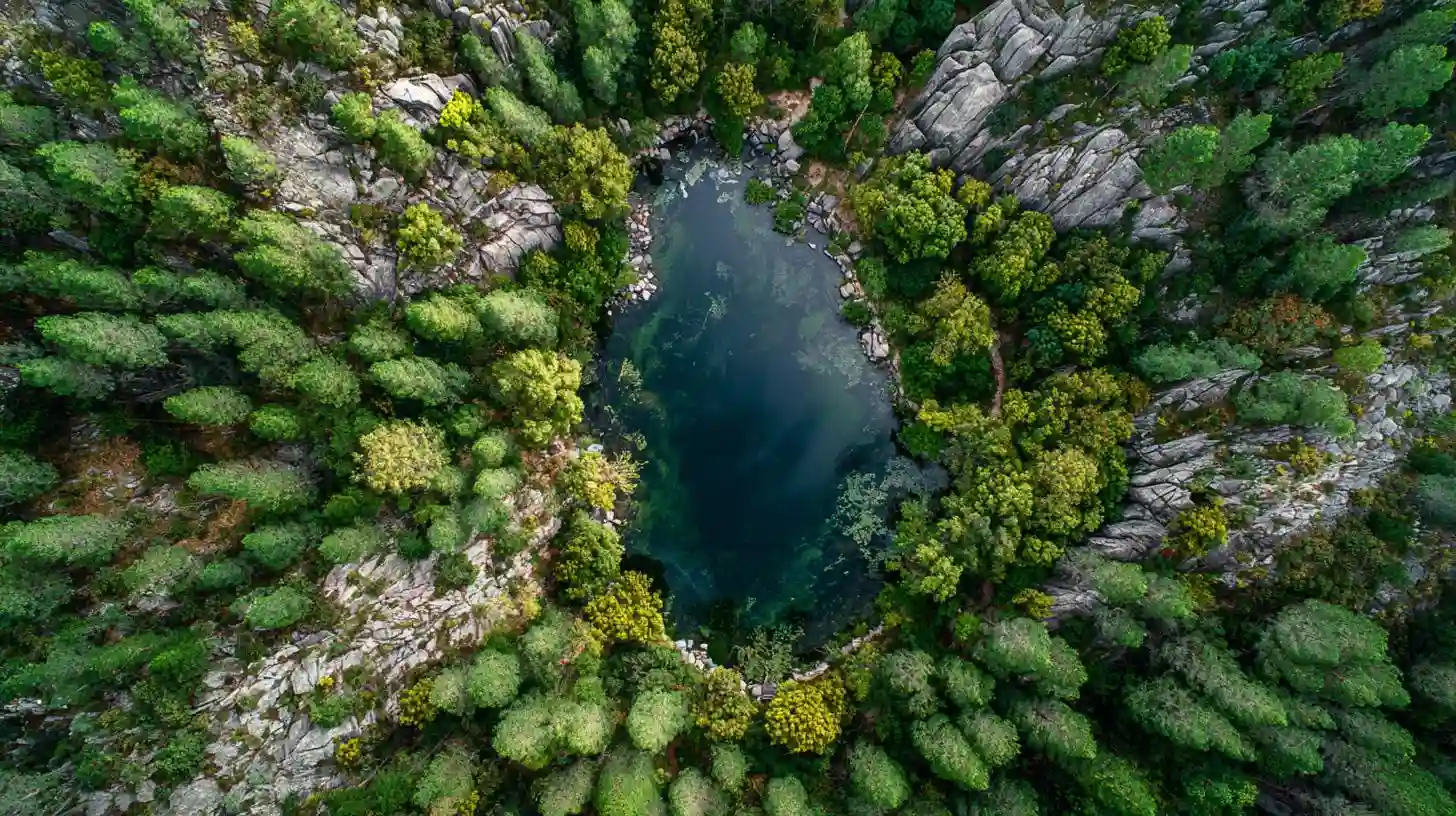
Landscape photography allows you to capture the vastness and beauty of nature, translating what you see into striking images. The key to achieving breathtaking results lies in understanding both your camera’s capabilities and the environment around you. A major consideration is lighting, as it greatly influences the mood of the scene. Early morning or late afternoon, when the sun is lower in the sky, provides soft, warm light that adds texture and depth to your photos. During these times, the colors in the landscape are often more vibrant, and shadows can help create dramatic contrasts that enhance the image’s overall appeal.
Another essential aspect is composition. Before pressing the shutter, take a moment to observe your surroundings and decide what to include in the frame. Utilize natural lines, such as rivers, trails, or mountain ridges, to lead the viewer’s eye through the image. The rule of thirds is also a useful guide to position key elements, but don’t hesitate to break this rule if it better suits the scene. Placing a subject, like a tree or a rock, off-center can create a more dynamic and engaging composition.
Focus and sharpness are crucial in landscape photography, especially when you want to capture fine details such as the texture of rocks or leaves. Use a small aperture to ensure a large depth of field, keeping both the foreground and background in focus. Additionally, a tripod is often necessary to avoid camera shake, particularly when using slower shutter speeds in lower light conditions. It also allows for more precise framing, ensuring your horizons remain level and your shots are stable.
Weather conditions can also play a major role in landscape photography. Cloudy skies often bring out the colors and textures of the landscape, creating a moody atmosphere. On the other hand, clear skies can offer crisp, sharp details, but they might lack the drama that clouds provide. Stormy weather can create a sense of movement and power, which can be visually striking. Always be prepared for changing conditions and adapt your approach to match the mood that nature offers.
Taking the time to carefully select your location is another vital aspect of capturing exceptional landscape photos. Explore the area to find unique perspectives and angles that aren't immediately obvious. A slight change in vantage point can completely transform the mood of an image, making it stand out from typical, overused compositions. Consider the time of year as well, as seasonal changes bring different colors and textures to the landscape.
Lastly, patience is an often overlooked but important part of landscape photography. Sometimes, the perfect shot requires waiting for the right moment, whether it’s waiting for the clouds to break or for the light to hit a particular spot just right. In landscape photography, the best images are often those that require time and effort to capture.