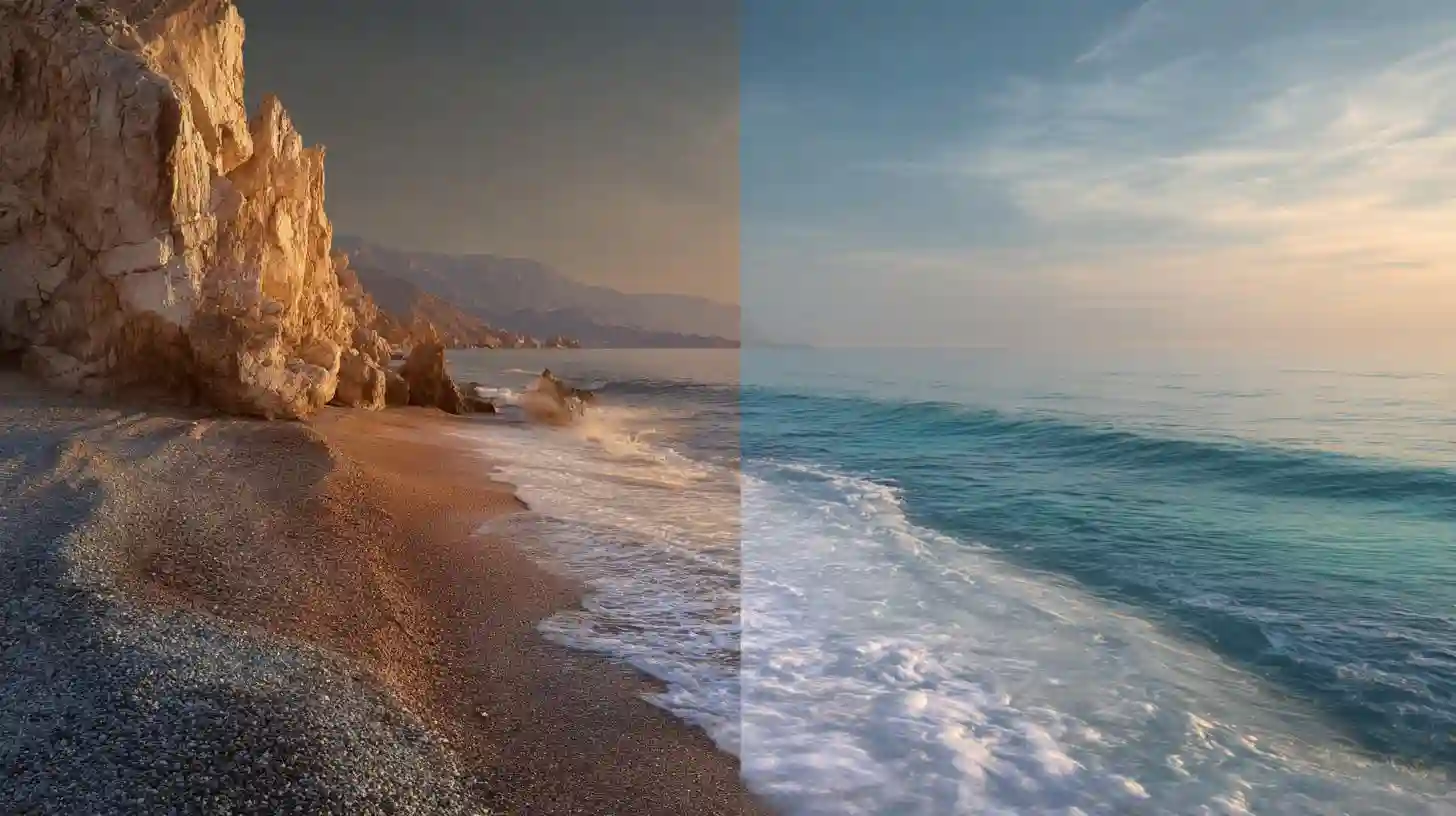
When photographing long exposure or HDR landscapes, selecting the appropriate filters can significantly enhance the quality of your images. For long exposure photography, one of the most commonly used filters is the neutral density (ND) filter. These filters reduce the amount of light entering the lens, allowing for slower shutter speeds even in bright conditions. This is particularly useful for creating smooth, motion-blurred effects in water, clouds, or any subject that benefits from a sense of movement. ND filters come in varying strengths, and the selection depends on the desired exposure time and the lighting conditions. It is crucial to balance the ND filter's strength with the available light, as too strong a filter can lead to an overly dark image.
Another essential filter for long exposure work is the graduated ND filter. This filter is designed to balance the exposure between the bright sky and darker foreground. It gradually reduces light from the top to the bottom of the frame, ensuring that the sky does not become overexposed while keeping the details in the landscape intact. These filters are particularly useful in scenarios where there is a noticeable difference in brightness between the sky and the land, such as during sunrise or sunset.
For HDR landscapes, the focus shifts slightly to filters that can control the overall dynamic range of the image. A polarizing filter can be incredibly beneficial in these cases. It reduces reflections from water, glass, or wet surfaces and enhances the contrast between the sky and clouds, making colors appear more saturated and vibrant. This is particularly helpful when shooting landscapes with varying light conditions, as it helps capture a broader range of detail in both highlights and shadows.
Using a combination of filters can also be beneficial. For instance, pairing a polarizer with a graduated ND filter can give you both enhanced color saturation and control over exposure in the sky and foreground. This setup is ideal for capturing breathtaking landscapes with rich details and balanced lighting.
Selecting the right filters for these types of landscapes requires an understanding of the specific scene you are capturing and the effects you want to achieve. Experimenting with different combinations will help you gain a deeper understanding of how each filter influences the final image. Adjusting the strength and positioning of the filters can provide endless creative possibilities for capturing stunning landscape photos.