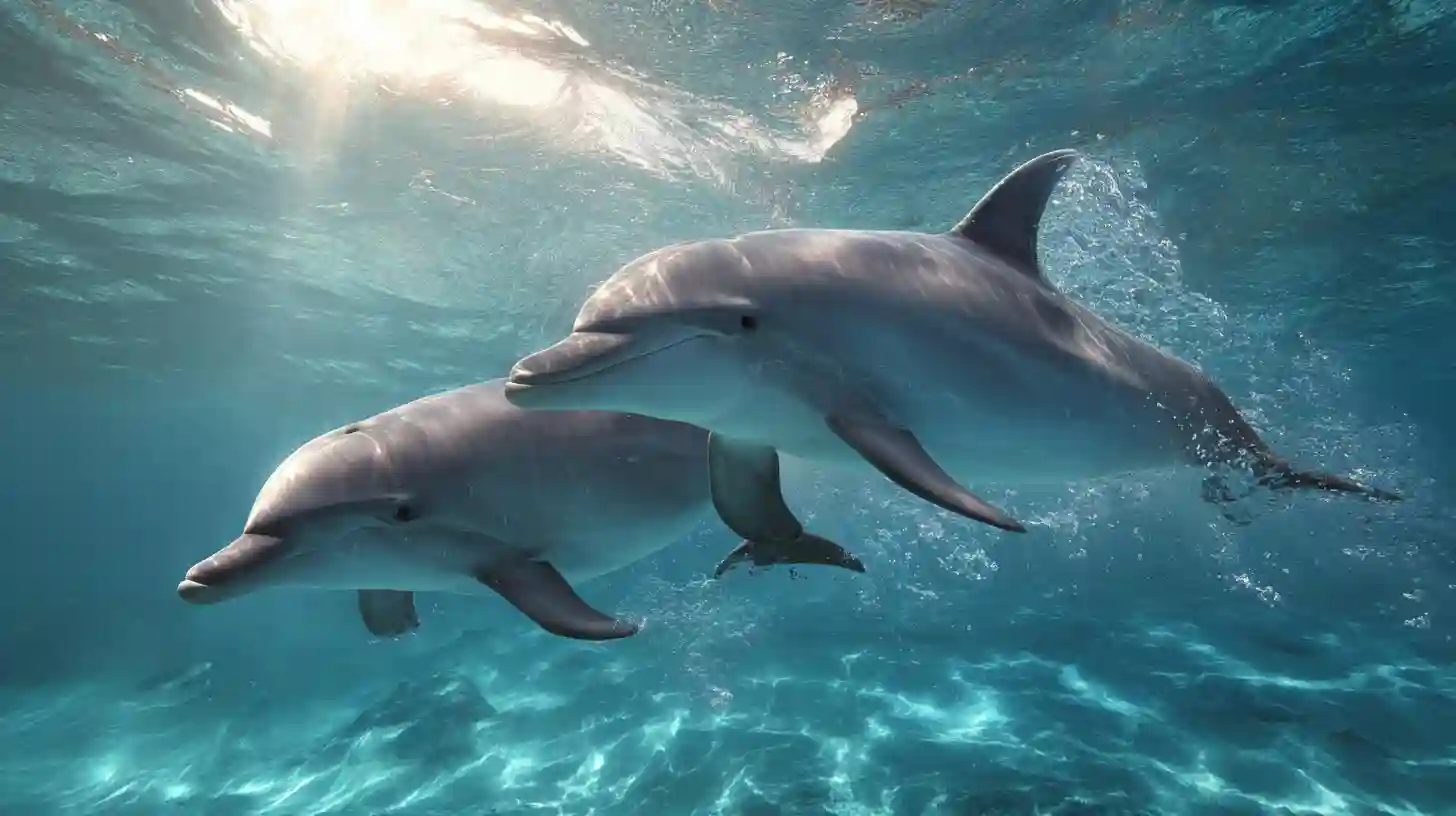
Dolphin conservation plays a significant role in maintaining the health of marine ecosystems. Dolphins are considered apex predators and keystone species, meaning their presence and well-being are crucial for the balance of the marine environment. By protecting dolphins, we indirectly safeguard the intricate food webs that sustain marine life. Dolphins help regulate the populations of other marine species, particularly fish, through their hunting behavior, ensuring that no single species dominates and disrupts the ecosystem's harmony.
Efforts to conserve dolphins often lead to broader marine protection initiatives. Areas designated for dolphin protection typically include other forms of marine life. These efforts help mitigate overfishing, habitat destruction, and pollution, all of which threaten the stability of the ecosystem. Marine protected areas, which are frequently set up to shield dolphins from human interference, also provide a sanctuary for various other species, thus fostering biodiversity.
Furthermore, dolphins are valuable indicators of ocean health. As highly sensitive creatures, changes in dolphin populations can signal shifts in environmental conditions, such as water quality or the availability of food. Their decline often reflects larger ecological issues that may go unnoticed, making dolphin conservation efforts an essential component of larger environmental monitoring strategies.
Conserving dolphins also supports the sustainability of local economies that rely on marine tourism. Whale and dolphin watching has become a major industry in coastal areas worldwide, contributing to job creation and sustainable revenue streams for communities. By ensuring that dolphins thrive, we not only protect the marine environment but also help sustain the livelihoods of those who depend on it.
Incorporating dolphin conservation into broader marine management strategies fosters healthier oceans. Protecting dolphins means protecting the intricate web of life they support, contributing to the overall sustainability of marine ecosystems for future generations.