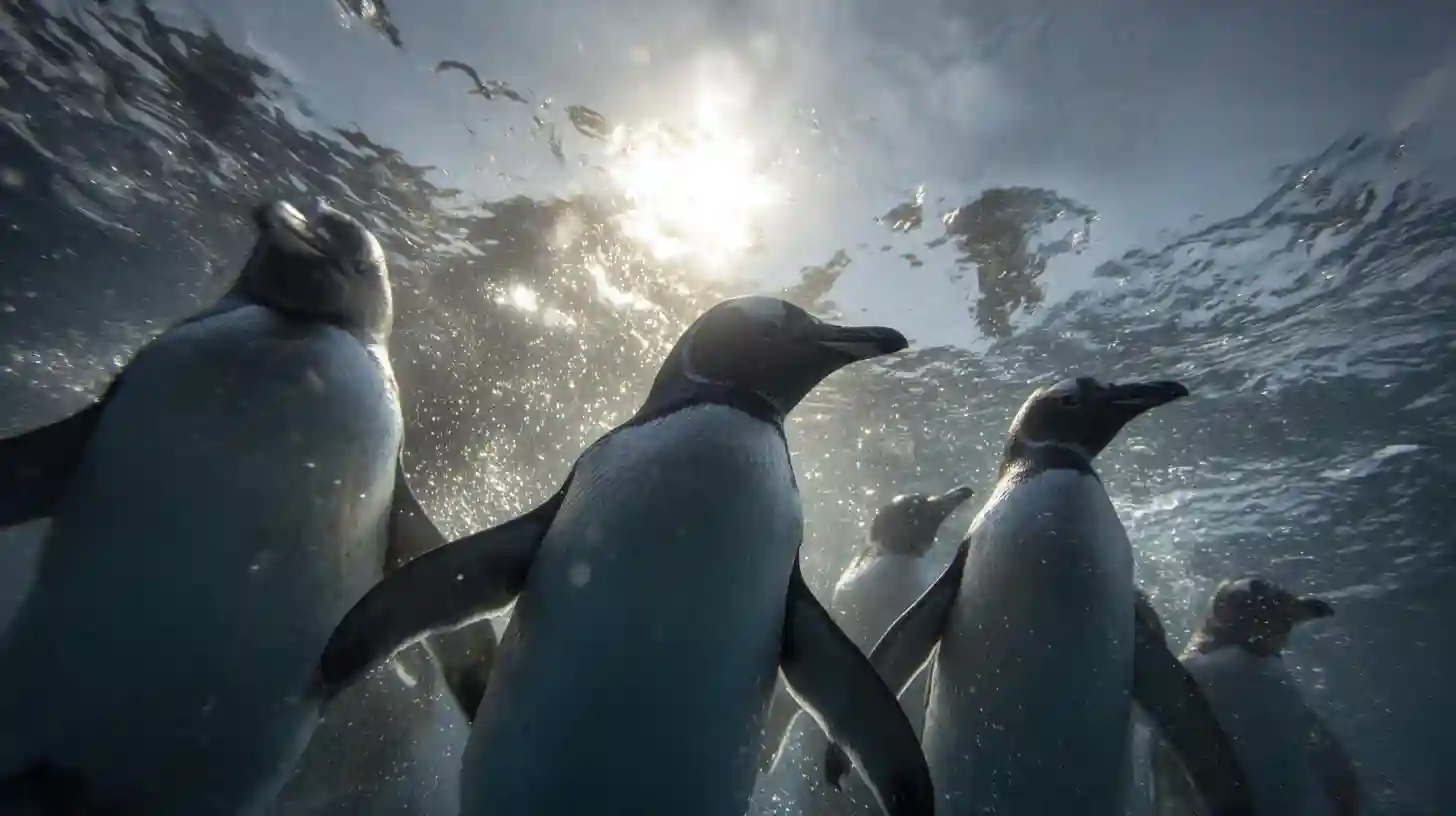
Penguins play a crucial role in marine ecosystems, acting as both predators and prey within their habitats. These flightless birds are highly adapted to life in the ocean, where they primarily hunt for fish, krill, and other marine organisms. Their feeding habits significantly impact the population dynamics of these species, helping to regulate the balance of the marine food web. By consuming large quantities of small fish and invertebrates, penguins help control the abundance of these species, preventing overpopulation that could otherwise deplete their food sources.
In addition to their role as predators, penguins are also a critical source of food for larger marine animals. Seals, sharks, and orcas all rely on penguins as a primary food source, illustrating their position in the food chain. This dynamic contributes to the flow of energy through the ecosystem, connecting different trophic levels and ensuring the stability of the marine environment.
Penguins also contribute to nutrient cycling in their ecosystems. Through their guano, or excrement, penguins provide essential nutrients to the marine environment, enriching the waters with organic material that supports the growth of plankton and other small organisms. This in turn supports the entire food web, from microscopic plankton to the larger fish and mammals that depend on these organisms for food. The presence of penguin colonies can thus have a direct and lasting impact on the overall productivity of marine ecosystems, fostering biodiversity.
Additionally, penguins are considered indicators of environmental health. Changes in penguin populations or shifts in their behavior often signal alterations in the marine ecosystem, such as changes in sea temperature, the availability of prey, or pollution levels. Scientists closely monitor penguin populations to understand the broader impacts of climate change and human activity on the oceans. Their vulnerability to environmental changes highlights the importance of preserving marine ecosystems and maintaining biodiversity.