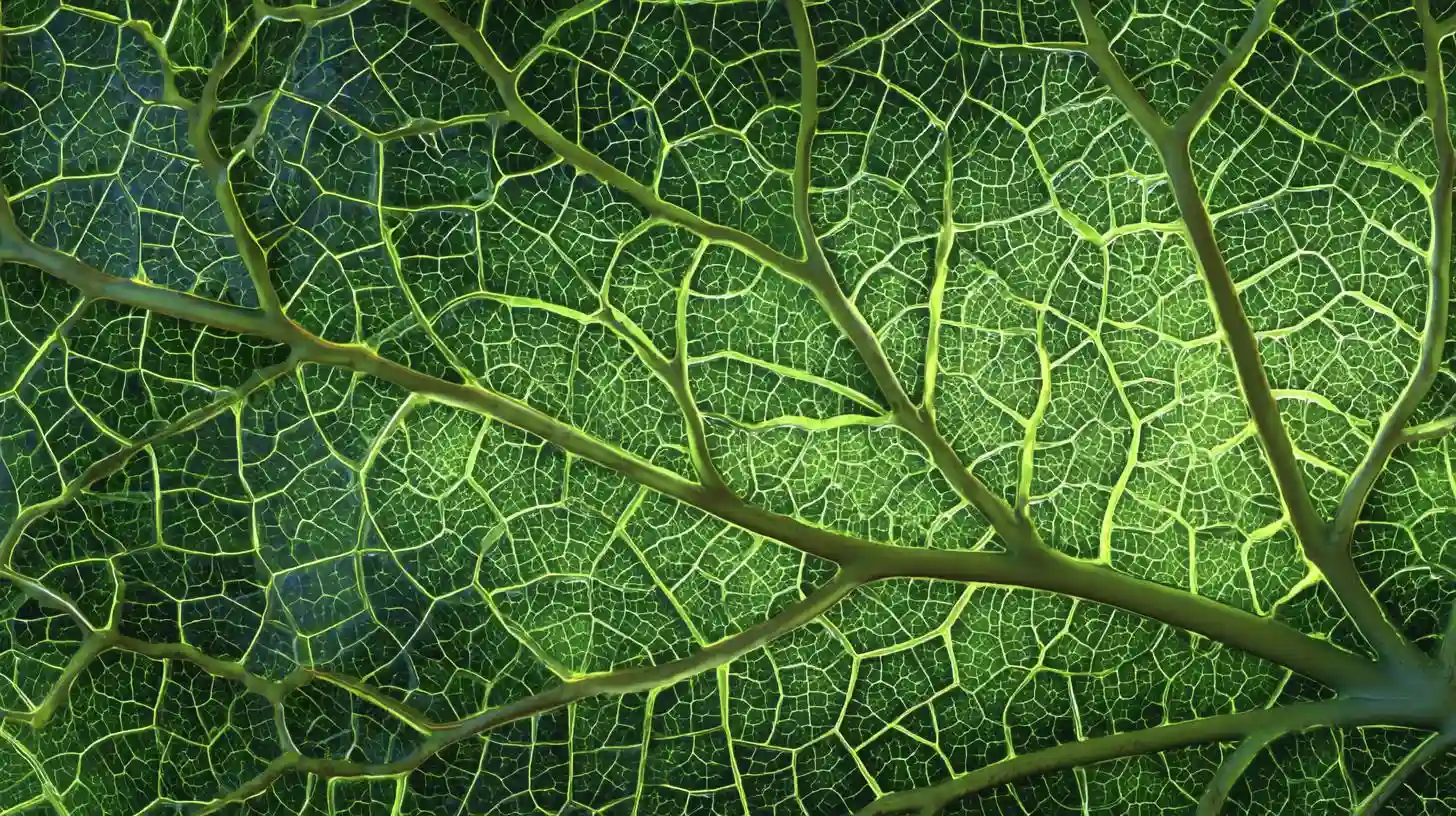
Leaf structure plays a crucial role in a plant's overall health and function. Every part of a leaf is specifically designed to maximize the plant's ability to perform photosynthesis, absorb nutrients, and interact with its environment. The surface of a leaf is covered with a layer of cells that include specialized pores known as stomata. These pores allow gases such as carbon dioxide to enter the leaf and oxygen to exit, which is essential for the process of photosynthesis. The opening and closing of these stomata are regulated by guard cells, which respond to environmental conditions like light, humidity, and CO2 concentration. This regulation ensures that the plant maintains the right balance of gas exchange to support its metabolic needs while minimizing water loss.
Beneath the epidermis, the mesophyll tissue plays a significant role in photosynthesis. The mesophyll is composed of two distinct layers: the palisade mesophyll and the spongy mesophyll. The palisade layer is tightly packed with chloroplasts, which are responsible for capturing light energy and converting it into chemical energy. The spongy mesophyll, on the other hand, has a looser structure with air spaces that facilitate the exchange of gases. Together, these layers ensure that the leaf can efficiently convert sunlight into energy while also supporting cellular respiration and other metabolic processes.
The veins of a leaf serve as the transport system, distributing water and nutrients from the roots and carrying away the products of photosynthesis, like sugars. These veins are made of vascular tissue, which includes xylem and phloem. The xylem transports water and minerals, while the phloem carries sugars produced during photosynthesis to various parts of the plant. This vascular system is crucial for maintaining the leaf’s function and overall plant health, as it ensures that all cells have access to the necessary resources to thrive.
The entire structure of a leaf, from the stomata to the veins, is intricately designed to allow the plant to capture energy, exchange gases, and transport nutrients, all of which are necessary for its growth and survival. By understanding this structure, one can appreciate the complexity and efficiency of plants in adapting to their environments and maintaining health.