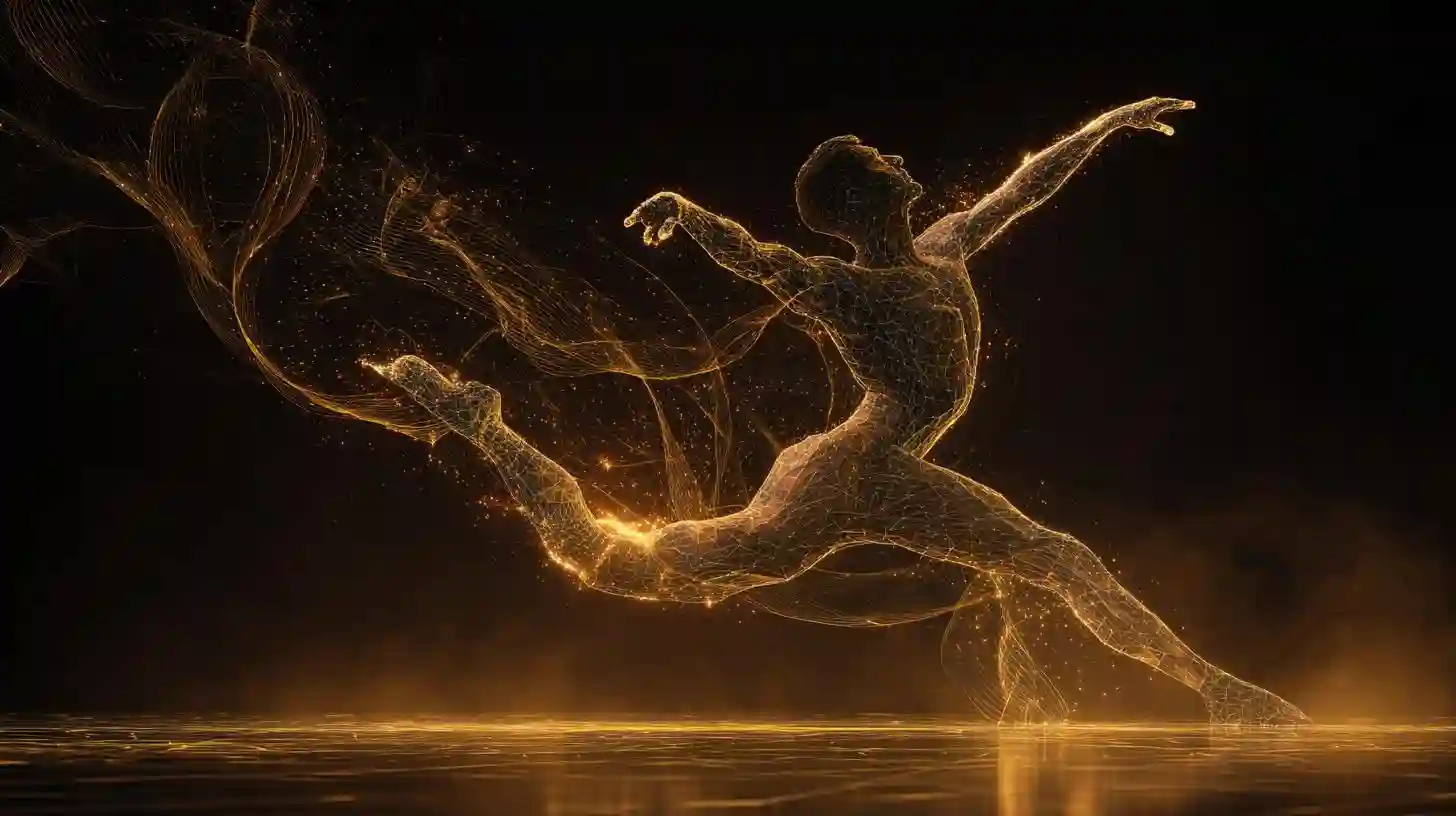
Throughout history, dance has served as one of the most powerful forms of human expression, capable of conveying a range of emotions from joy to sorrow, love to anger. Early forms of dance were deeply intertwined with rituals and cultural practices, serving as a tool for connection with the divine, communication with others, and a means of storytelling. These dances were often structured, with specific movements passed down through generations. As societies evolved, so did their forms of expression. Over time, dance began to move away from solely ceremonial purposes and became more of a personal and social expression, reflecting the individual’s emotional landscape.
In the classical period, ballet emerged as a sophisticated art form that blended athleticism with grace. It provided a structured way for dancers to tell stories and express emotions through intricate movements, facial expressions, and gestures. The rigid nature of ballet, with its emphasis on technique and formality, did not diminish the depth of emotion conveyed. Dancers could portray everything from the heights of love to the depths of despair, capturing the internal struggles and joys of the human condition. This art form evolved over the centuries, adapting to changes in societal values and attitudes toward the body and movement.
With the arrival of modern dance in the early 20th century, the boundaries of movement expanded significantly. Modern dance allowed for greater freedom, breaking away from the strictness of ballet’s classical structure. Pioneers such as Martha Graham and Isadora Duncan sought to explore raw, emotional movement. Their works often reflected personal experiences, highlighting the body’s natural expressions of pain, liberation, and desire. The fluidity and openness of modern dance made it an even more accessible means of expressing a broad range of human emotions, from the complex to the simple.
In the mid-20th century, the rise of social and cultural movements gave birth to new dance styles that were rooted in community and individual identity. Jazz, swing, and later hip hop became outlets for expressing both joy and struggle. Dance in these forms often allowed for improvisation, enabling dancers to directly engage with the music and the emotions it stirred within them. The emphasis on personal creativity and interpretation became a key feature in the way dance was used to express human feelings.
In the contemporary era, dance continues to evolve, driven by technology and the fusion of global influences. Social media platforms, such as TikTok, have given rise to viral dance trends, where movements can convey everything from humor to defiance. Dance has become increasingly inclusive, with various genres such as contemporary, street dance, and even ballroom embracing different expressions of identity and emotion. The ability of dance to transcend language barriers and connect people from diverse backgrounds has never been more evident. Today, the emotional resonance of dance is experienced globally, with a shared understanding of how movements can communicate universal human feelings and experiences.