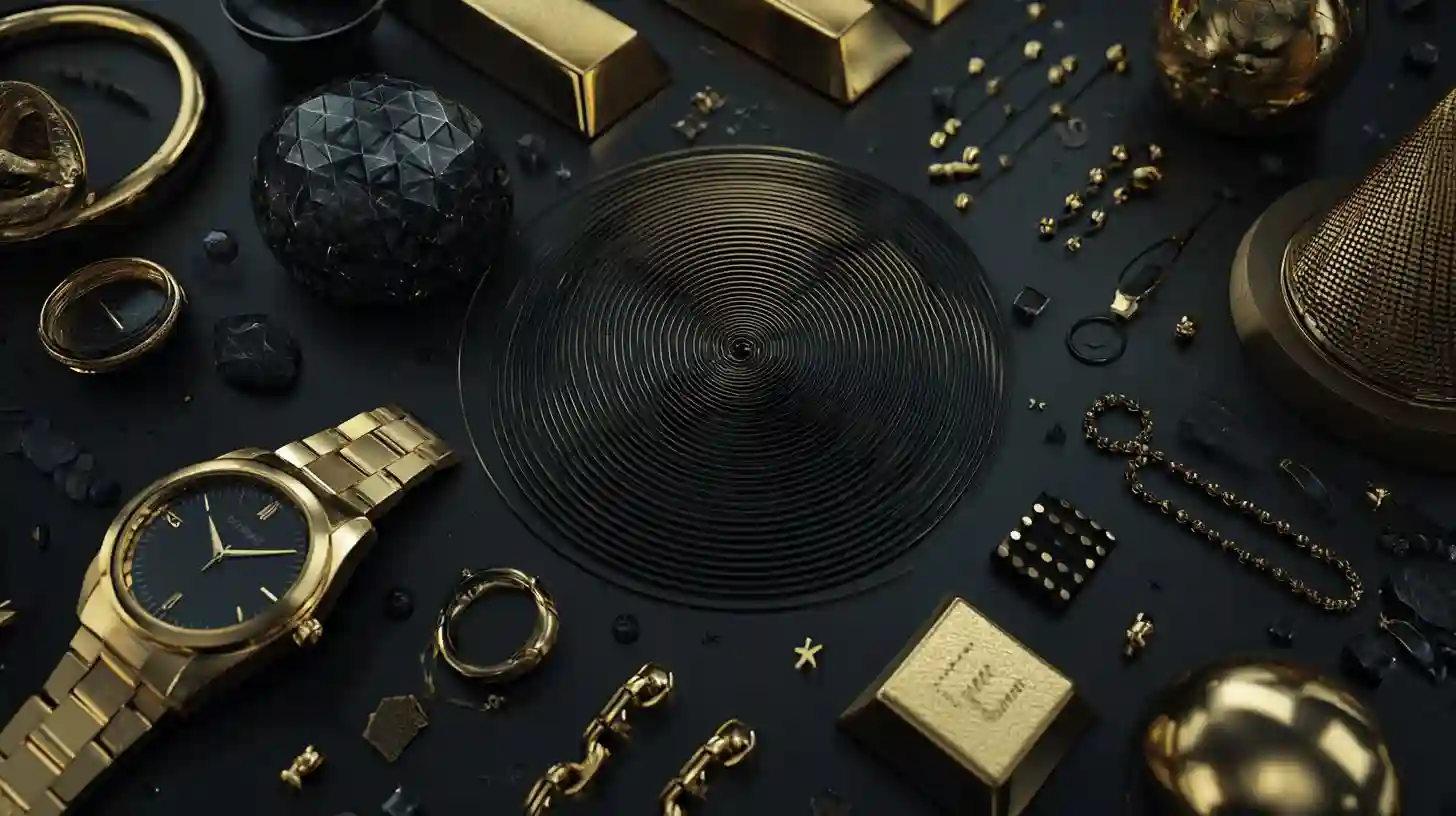
The desire for luxury goods is rooted deeply in human psychology and can be traced back to both individual and societal influences. At its core, the longing for expensive or rare items is often a reflection of the desire for status and self-identity. Humans have always sought ways to differentiate themselves from others, and owning high-end goods has long been a symbol of wealth, power, and success. This desire is often driven by the need to express individuality, but also to be seen as part of an exclusive group.
The concept of social comparison plays a significant role in the appeal of luxury items. People naturally evaluate themselves against others, whether consciously or unconsciously, and this comparison often dictates how they perceive their social standing. Luxury goods serve as a marker of distinction, and owning them signals that one has achieved a level of success or sophistication. This is why so many individuals feel the need to acquire luxury items, not necessarily for personal enjoyment but to fit into a certain social category.
Moreover, luxury items are often associated with emotional rewards. The satisfaction derived from purchasing a high-end product is not only about its material value but also the psychological fulfillment it provides. For some, the act of acquiring such goods may represent self-reward or compensation for perceived inadequacies. The experience of owning something prestigious can boost self-esteem, and for many, the ownership of a luxury item is directly linked to an increase in personal value.
The influence of media and advertising cannot be overstated when discussing luxury consumption. Advertisements and celebrity endorsements create a perception that these products are not just items but symbols of a lifestyle—one that promises happiness, admiration, and success. The narrative surrounding these goods often plays on the emotions of aspiration and desire, suggesting that the path to fulfillment is through ownership of these coveted items.
Additionally, luxury brands often leverage scarcity and exclusivity as psychological tools to increase desire. Limited editions, high price tags, and unique designs create a sense of rarity, making these goods more appealing to consumers who crave something unattainable. The perception of scarcity can make the acquisition of luxury items feel more rewarding, as individuals seek to own what few others can.
In the end, the desire for luxury goods is a complex interplay of psychological factors that tap into deep-seated human needs for identity, status, and self-worth. It’s not just about the goods themselves but what they represent in the broader social and emotional context.