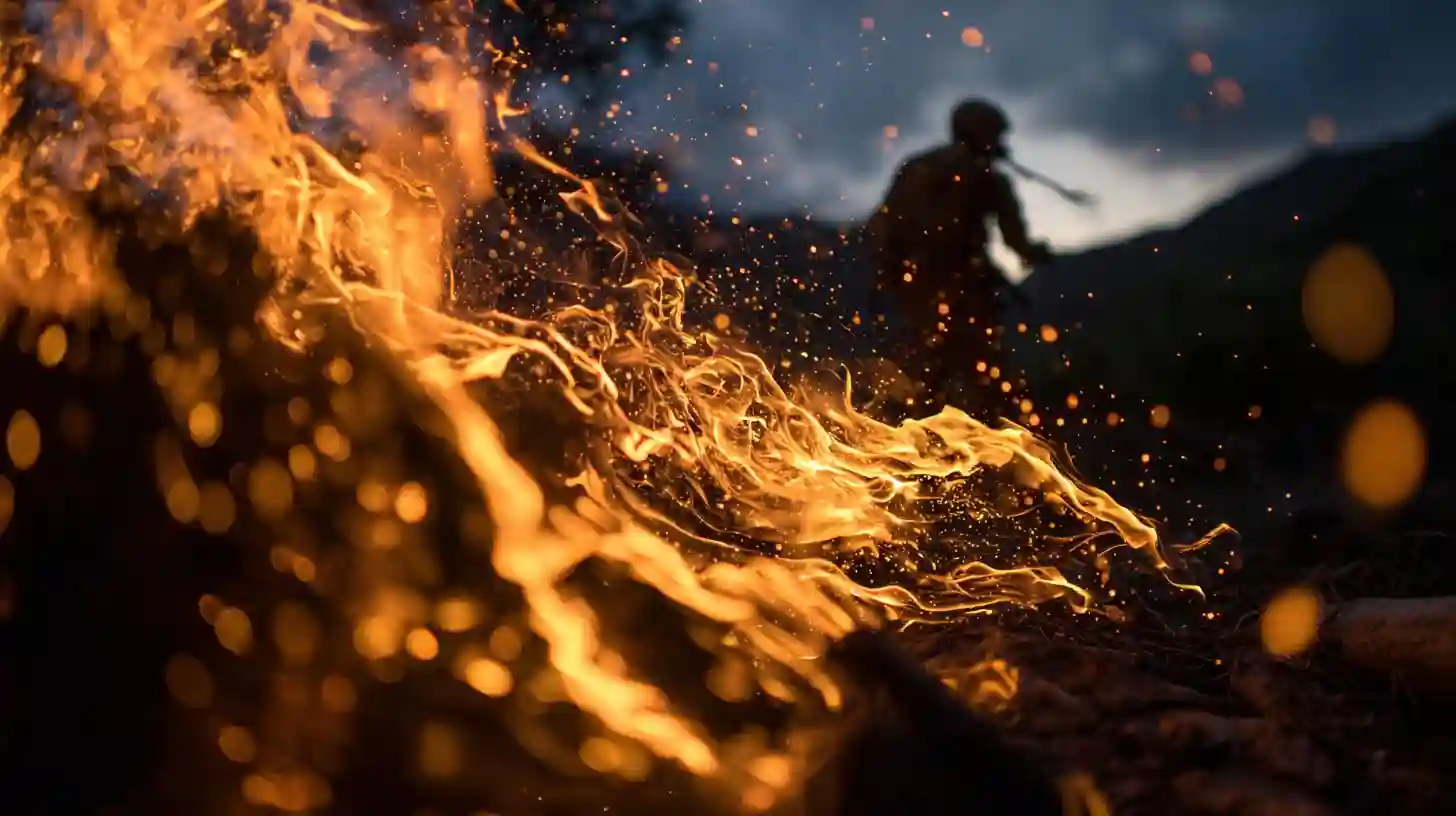
Fire photography offers an exciting opportunity to capture the raw intensity of flames, but the real magic often happens in post-processing. After capturing the perfect shot, enhancing the image through various techniques can elevate the intensity and drama of the fire, creating a visually striking composition. One of the first steps in post-processing fire photography is adjusting the exposure. Flames can often be too bright or overexposed in the original shot. Using tools like Lightroom or Photoshop, photographers can adjust highlights and shadows to bring out more detail in both the bright flames and the darker surroundings, ensuring that every aspect of the image is visible. Next, color correction is vital in fire photography to make the flames appear more natural and vibrant. Often, the colors in a fire photograph can appear too dull or inaccurate. By enhancing the reds, oranges, and yellows in the flames, photographers can bring out the fiery essence of the shot. Conversely, reducing the saturation of other colors can help the fire stand out more vividly against its background. Another technique to consider is sharpening the details. Fire photography often benefits from sharp edges that define the movements and forms of the flames. By applying subtle sharpening, the intricate textures and delicate transitions of light in the fire become more apparent. Clarity can also be increased to emphasize the contrast between the fire and surrounding areas. Additionally, local adjustments can be useful in fire photography. Using tools like the adjustment brush in Lightroom or layer masks in Photoshop, photographers can selectively enhance specific areas of the image. For example, increasing exposure or vibrancy on the fire itself while leaving the background untouched creates a more dramatic effect. Some photographers also choose to add subtle vignetting, darkening the edges of the photo to draw attention toward the center, where the fire typically is. Finally, noise reduction is important in fire photography, especially in low-light conditions. The process of reducing grain while maintaining detail ensures that the fire's sharpness isn’t compromised by distracting noise, resulting in a clean, polished image. Through these post-processing techniques, photographers can transform their fire shots into visually captivating masterpieces, bringing out the full power and beauty of the flames.