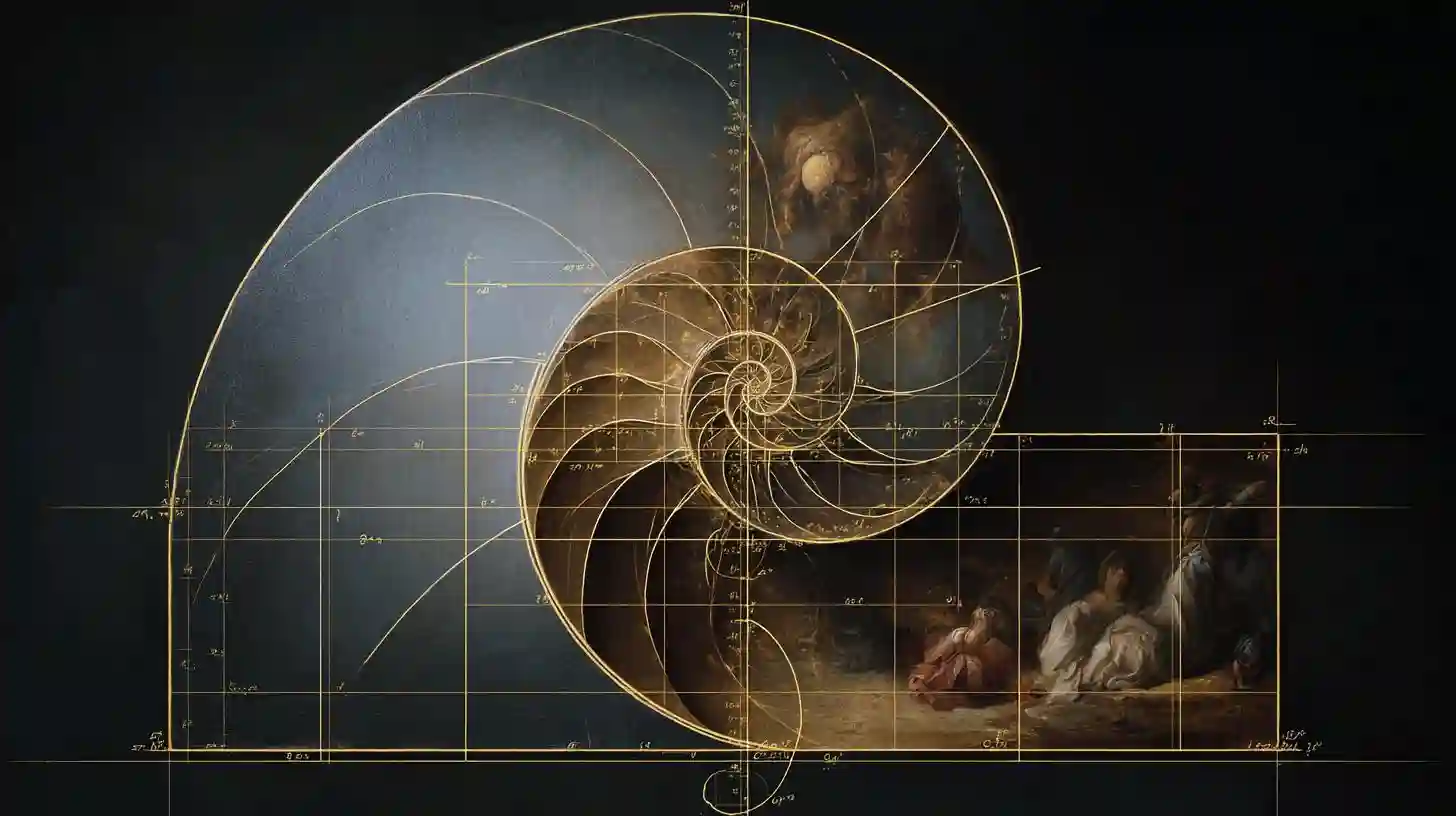
Advanced imaging technologies are set to revolutionize the field of art conservation in unprecedented ways. These innovations, which include techniques such as multispectral imaging, hyperspectral imaging, and 3D scanning, offer art conservators the ability to examine and preserve artworks in ways that were once unimaginable. The potential for these technologies to unveil hidden details, detect deterioration, and analyze materials at a molecular level opens up new possibilities for both conservation and restoration.
One of the most groundbreaking applications of advanced imaging is its ability to reveal underlying layers of paintings that are invisible to the naked eye. Through multispectral and hyperspectral imaging, conservators can see earlier sketches, changes made by the artist, or even long-lost details obscured by layers of paint or varnish. This process allows for a deeper understanding of the artist's original intentions and provides valuable information for informed restoration decisions. It also minimizes the need for invasive techniques, which can potentially damage delicate works of art.
The ability to accurately monitor the condition of artwork over time is another benefit offered by advanced imaging technologies. Through the use of high-resolution scanning and imaging systems, conservators can track subtle changes in an artwork’s surface or structure, allowing for earlier detection of issues such as cracking, discoloration, or structural weakness. This proactive approach can significantly extend the life of an artwork, ensuring its preservation for future generations.
Furthermore, 3D imaging and scanning technology provide a detailed digital record of a work of art, enabling conservators to create precise virtual models for restoration. These digital replicas can also serve as references in case of accidental damage, ensuring that even if the physical artwork is harmed, its digital twin can guide the restoration process. Additionally, these technologies allow artworks to be replicated or displayed in virtual environments, making art more accessible to global audiences without exposing it to the risks associated with physical handling and transport.
As these imaging technologies continue to evolve, they are poised to fundamentally alter the landscape of art conservation, making it more efficient, accurate, and less invasive. Their ability to provide detailed insights into the condition, history, and materials of artworks ensures that cultural heritage can be preserved in ever more sophisticated ways.