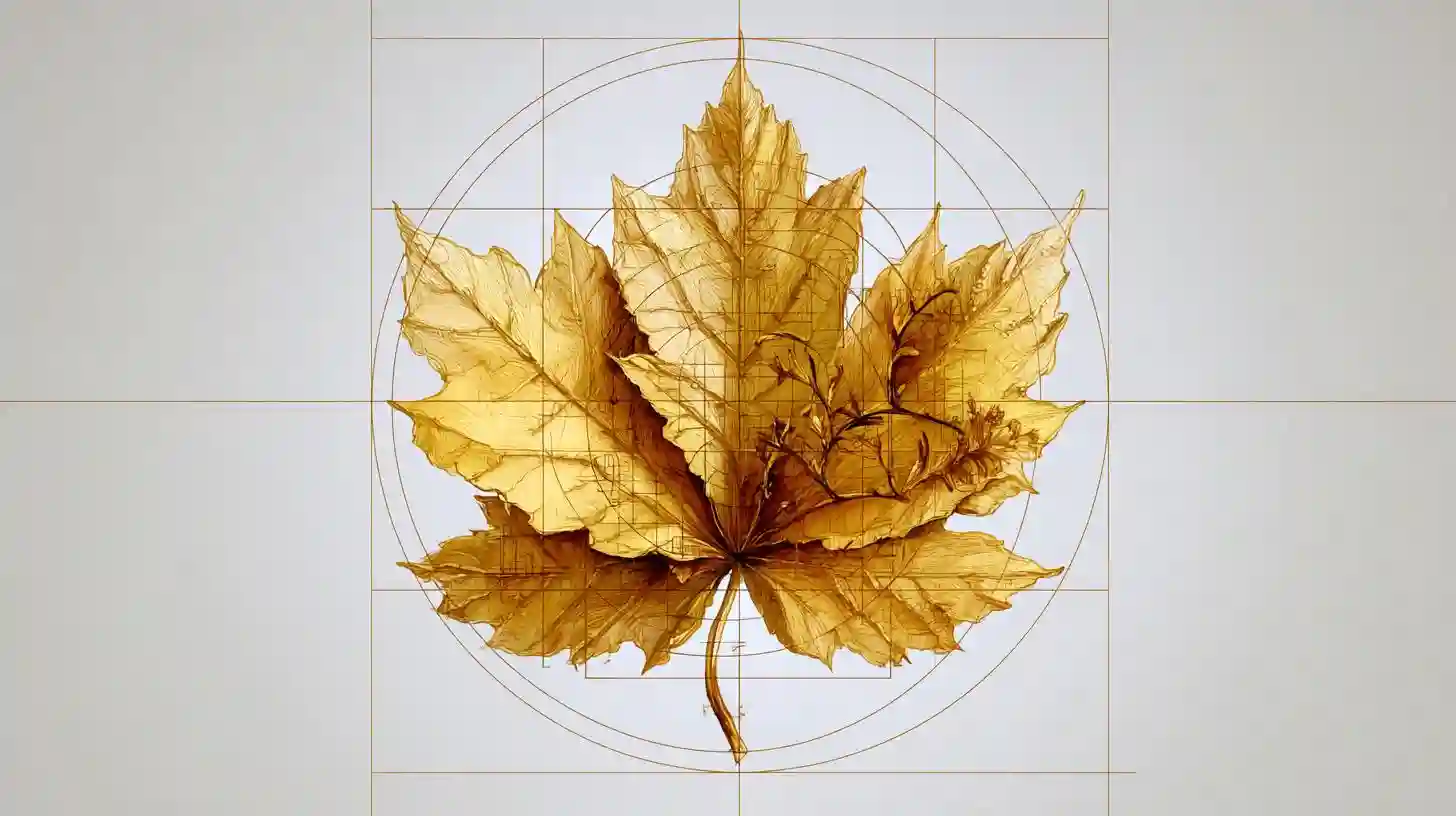
Leaves have held deep symbolic meanings across various cultures and artistic expressions throughout history. In many cultures, leaves represent life, growth, and renewal. They are seen as symbols of nature’s cycle, embodying the constant change that characterizes existence. For instance, in Western traditions, the oak leaf is associated with strength and endurance, while the maple leaf is often linked to beauty and the transition of seasons. In Chinese culture, leaves are frequently seen as symbols of vitality and prosperity, as they are integral to the harvest and agricultural life. The act of leaves turning golden or falling in autumn can also symbolize the passage of time and the inevitability of change.
In art, leaves have been used as motifs to represent various ideas. In classical art, they were often used to symbolize the triumph of nature over civilization, reflecting the theme of returning to a more pure or natural state. The use of green leaves in religious paintings, for instance, has been interpreted as a sign of divine growth or connection to the sacred. The idea of leaves as a symbol of immortality can be found in ancient Greek and Roman art, where laurel wreaths, made from the leaves of the laurel tree, were used to crown victors and heroes, signifying glory and eternal honor.
In Japanese culture, the changing colors of leaves, especially the vivid reds and oranges of autumn, are celebrated in festivals like “koyo,” where people reflect on the fleeting nature of life. Leaves in this context serve as a reminder of both beauty and the impermanence of existence. Similarly, in Native American symbolism, the leaf can represent the connection between humans and nature, often depicted as a sign of harmony and balance. Its different stages of life – from bud to full leaf to decay – mirror human experiences of growth, flourishing, and eventual decline.
Leaves are not just simple parts of a plant; they are rich symbols that transcend their natural form. Through their portrayal in art, they capture the essence of life’s cycles, from vitality to death, and they continue to resonate across diverse cultural landscapes, offering a constant reflection of humanity’s relationship with nature and the world around us.