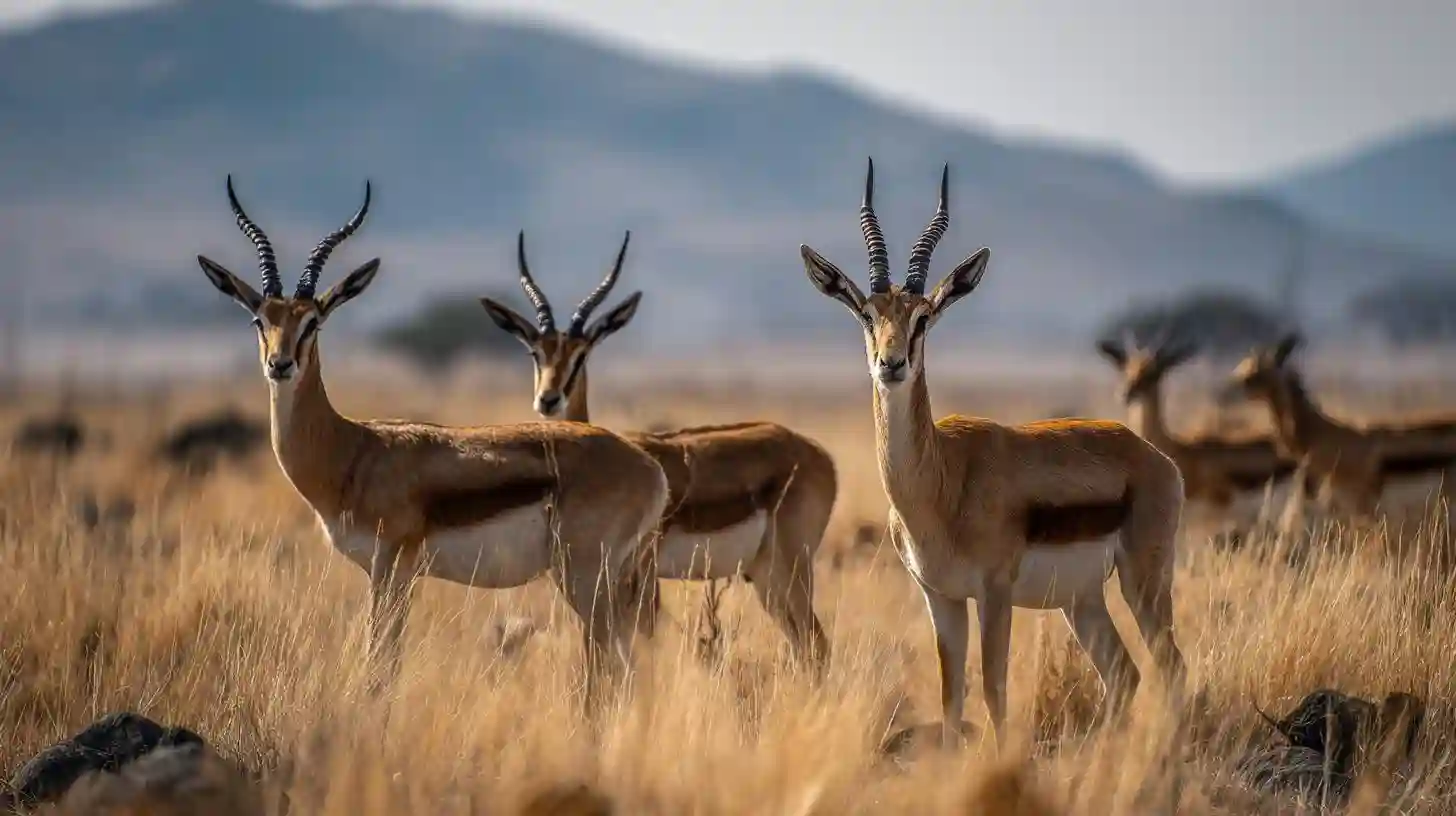
Antelopes play a crucial role in the functioning of grassland ecosystems, contributing to the biodiversity and health of these environments. These herbivores are a vital part of the food web, serving as prey for various predators. Their grazing habits help maintain the balance of plant life in the grasslands. By consuming grasses and shrubs, antelopes prevent the overgrowth of certain plant species, which in turn maintains open spaces for other plants to grow. This grazing also helps promote the growth of fresh grass, which benefits other herbivores and supports the regeneration of plant life after seasonal changes.
Antelopes' movements across the grasslands also have a significant impact on the soil. As they move, they create paths that allow water to penetrate the ground more easily, enhancing the absorption of rainfall and reducing surface runoff. Their droppings fertilize the soil, enriching it with nutrients that benefit plant life. This process helps maintain soil fertility, which is essential for the health of grassland vegetation. Additionally, the presence of antelopes can influence the distribution of other species. They are often seen in groups, which can attract predators, thus maintaining a balance between herbivores and carnivores in the ecosystem.
Furthermore, antelopes serve as important indicators of ecosystem health. Their population size and distribution patterns can provide valuable insights into the condition of grasslands. When antelope populations decline, it often signals changes in the habitat that may affect other species. This could be due to factors such as overgrazing, climate change, or human activity. Therefore, conserving antelope species is not only important for preserving these animals but also for maintaining the overall stability of grassland ecosystems.
Antelopes are an integral part of the grassland ecosystem, influencing the health of vegetation, soil, and other wildlife populations. Their role in grazing, soil enrichment, and supporting predator-prey dynamics ensures that grasslands remain vibrant and diverse, making them essential to the sustainability of these ecosystems.