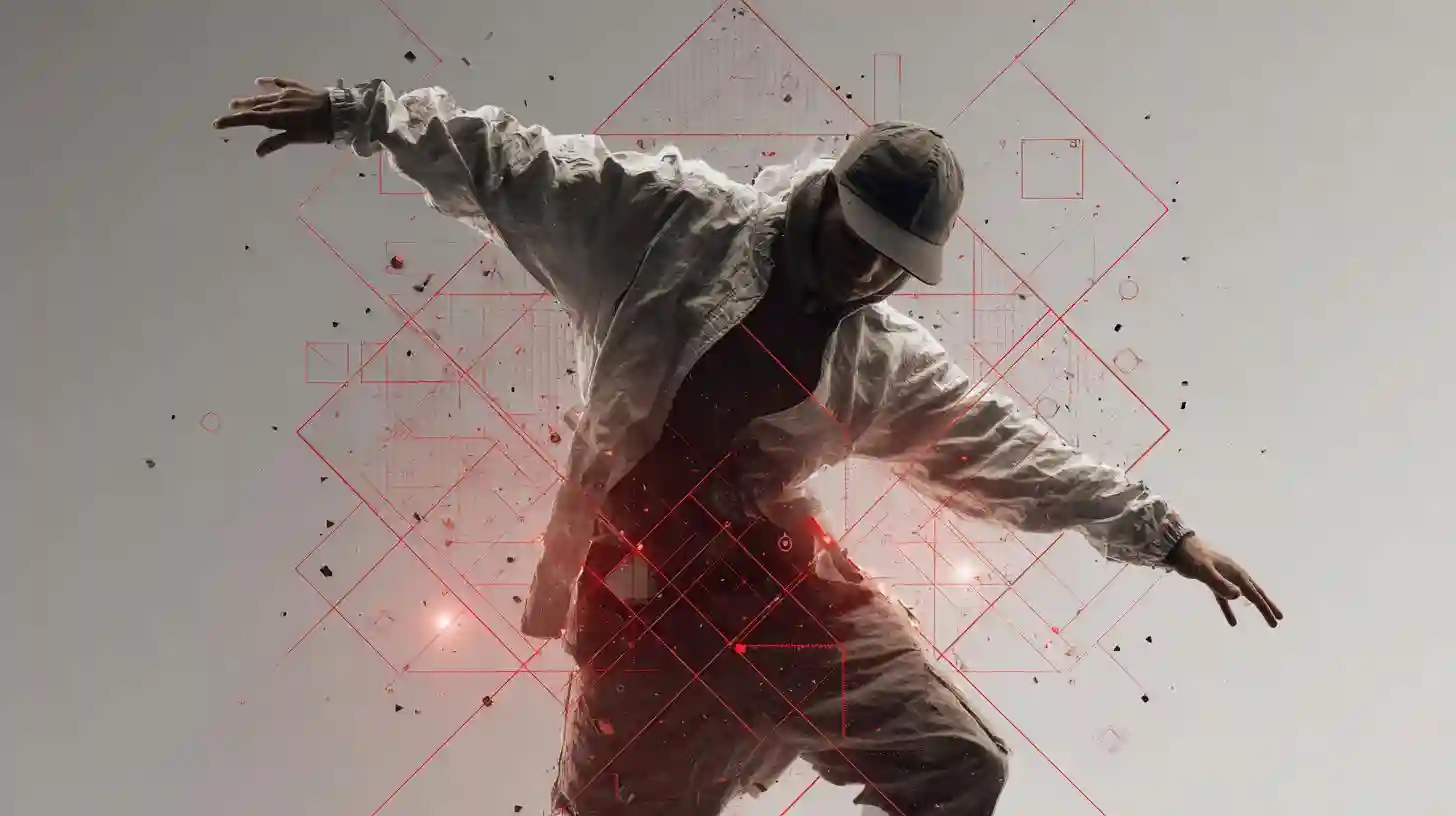
Street dance has played a significant role in shaping modern music genres, influencing not only the way people move to the beat but also how music itself is produced and experienced. Emerging from urban centers in the late twentieth century, styles like breakdancing, hip-hop, and popping became not only a form of self-expression but also an integral part of the music culture, especially within genres like hip-hop, electronic, and pop. The symbiotic relationship between street dance and music has fostered a deep connection, where the rhythm, style, and beat of a song are often crafted with dance in mind.
In hip-hop, for example, street dance and music have been intertwined since the birth of the genre. The beats and rhythms of early hip-hop, with their syncopated, looped rhythms, perfectly complemented the intricate and spontaneous moves of breakdancing. This synergy has led to a unique approach in the music industry, where many producers incorporate danceable beats that are intended to inspire specific movements, from simple steps to complex routines. Street dance has, in this sense, become a tool for music producers to gauge the energy of a track, shaping how songs will be received by both dancers and listeners.
The influence of street dance can also be seen in the broader landscape of pop and electronic music. Many modern pop stars, like Michael Jackson and Beyoncé, have drawn on street dance forms for their music videos and live performances. Choreographed routines are often a crucial element of pop culture, with music videos becoming iconic through the incorporation of these dynamic dance styles. The pop music industry has embraced street dance's energy, often pushing the boundaries of choreography to enhance visual storytelling, and increasing the song's cultural impact.
Additionally, electronic dance music (EDM) has had a profound relationship with street dance, especially in the rave and club scenes. The fast-paced beats of EDM resonate with street dance movements like locking and krumping, which emphasize sharp, isolated movements and fluidity. This connection between rhythm and movement has resulted in the widespread popularity of dance festivals, where attendees not only listen to music but also engage in expressive dance, further blurring the lines between the music and physical expression.
The evolution of street dance has influenced the global music scene by changing how music is produced, performed, and experienced. Its impact is not just limited to particular genres but has become an intrinsic part of the broader musical culture, influencing artists, producers, and audiences alike. Through its fusion with various music styles, street dance continues to shape the ever-evolving landscape of modern music.