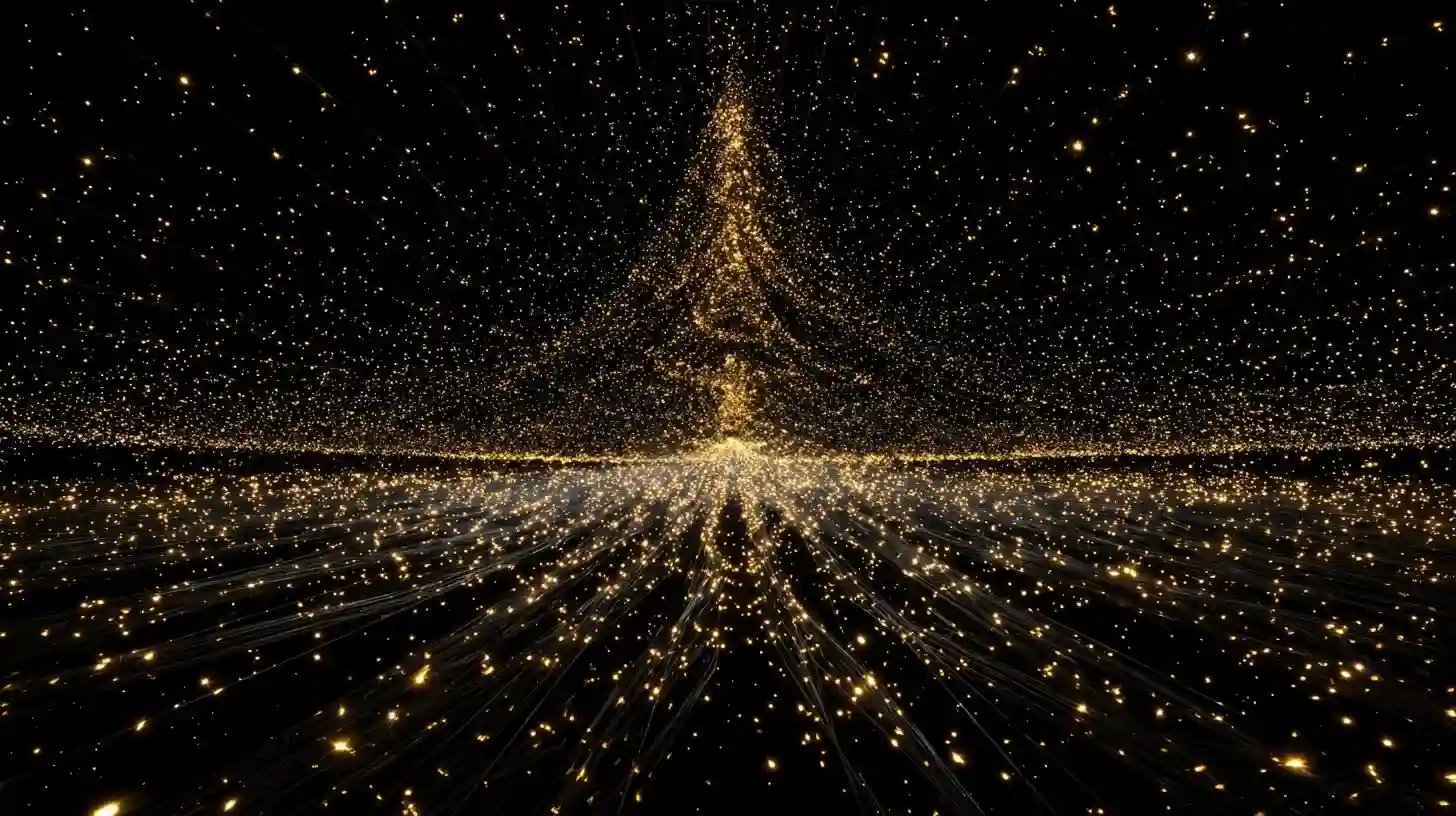
Large-scale light shows have become a popular form of entertainment in recent years, captivating audiences with their dazzling displays of color and creativity. However, these events come at a significant environmental cost, raising concerns about their impact on the planet. The first major concern is energy consumption. These light shows typically require vast amounts of electricity, often sourced from fossil fuels, which contribute to greenhouse gas emissions. While some events are beginning to use more energy-efficient LED lights, the overall demand for electricity remains high. This increased energy use results in a larger carbon footprint, contributing to climate change.
Another environmental issue associated with large-scale light shows is light pollution. As urban areas become more densely populated, artificial lighting continues to increase, disrupting local ecosystems. The bright lights from these shows can have detrimental effects on wildlife, particularly nocturnal animals. Birds, for instance, can become disoriented and even crash into buildings, while other species may experience altered migration patterns due to the constant illumination. Additionally, excessive light can interfere with natural processes such as plant growth and reproduction, leading to ecological imbalances.
Waste generation is also a significant concern. The installation and removal of the lights often involve the use of temporary materials and structures, many of which are not environmentally friendly. Single-use plastic and other non-recyclable materials contribute to pollution, especially when these events take place in outdoor settings like parks or along scenic routes. The large crowds that attend these events often leave behind a substantial amount of trash, further damaging the environment.
The noise pollution associated with light shows is an additional, often overlooked, environmental impact. Many of these events incorporate soundtracks and loudspeakers to enhance the visual experience, leading to disturbances in nearby areas. This noise can disrupt both human and animal communities, particularly in quieter, natural settings.
Despite the undeniable beauty of these events, it is important to consider their ecological effects. Sustainable alternatives, such as using renewable energy sources or reducing the scale of such shows, could help mitigate some of the environmental damage.