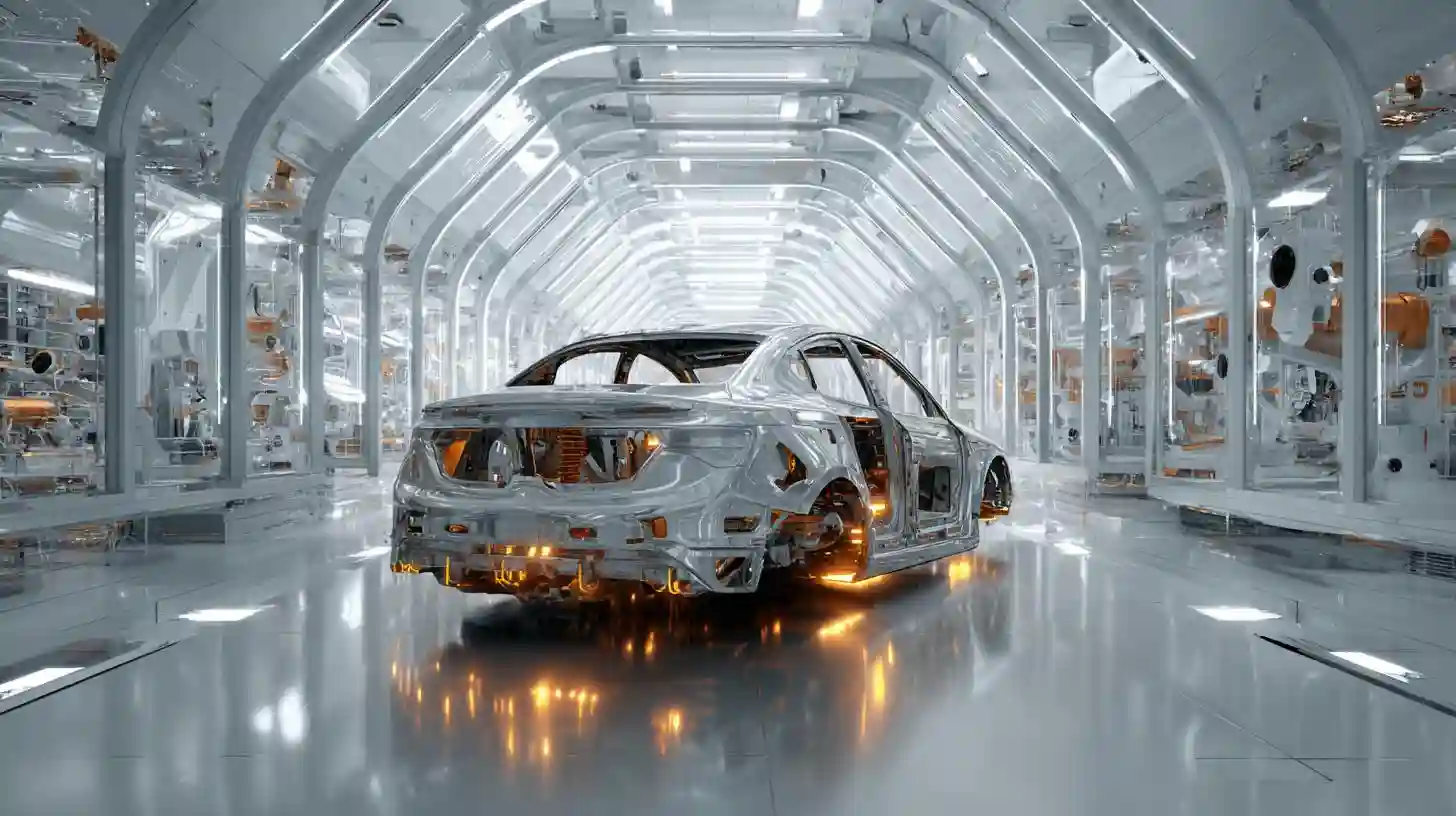
Sustainable manufacturing in the automotive industry is becoming an essential focus as the world faces increasing environmental challenges. One of the primary obstacles in achieving sustainability is the significant carbon footprint associated with car production. The production of materials, such as steel and aluminum, which are essential for car manufacturing, requires vast amounts of energy and often results in high emissions. Additionally, the manufacturing process itself involves numerous steps that rely on non-renewable resources, contributing to environmental degradation. The use of synthetic materials, chemicals, and energy-intensive machinery also increases waste and pollution. Another significant challenge is the increasing demand for electric vehicles, which, while environmentally friendlier, require rare materials for their batteries, such as lithium, cobalt, and nickel. The mining of these materials has been linked to ecological damage and human rights violations, posing both environmental and ethical concerns. Further complicating the issue is the global supply chain for automotive parts, which often spans multiple countries. This global network means that transportation emissions are amplified as raw materials and finished products are shipped across vast distances, further contributing to the industry's carbon footprint. Addressing these challenges requires innovative approaches in manufacturing processes and materials. One potential solution is the shift toward more sustainable materials, such as plant-based plastics, recycled metals, and biodegradable components. Manufacturers are increasingly exploring ways to integrate renewable energy sources, such as solar and wind, into their production lines to reduce reliance on fossil fuels. Another promising direction is the development of circular economy models where vehicle parts are reused, remanufactured, or recycled, minimizing waste and extending the lifecycle of automotive products. Advances in electric vehicle technology are also contributing to sustainability efforts by improving battery efficiency and seeking alternatives to the rare materials currently used. Additionally, automation and digitalization play a critical role in optimizing manufacturing processes, reducing energy consumption, and minimizing material waste. By embracing these solutions, the automotive industry can significantly reduce its environmental impact, creating a more sustainable future for transportation.