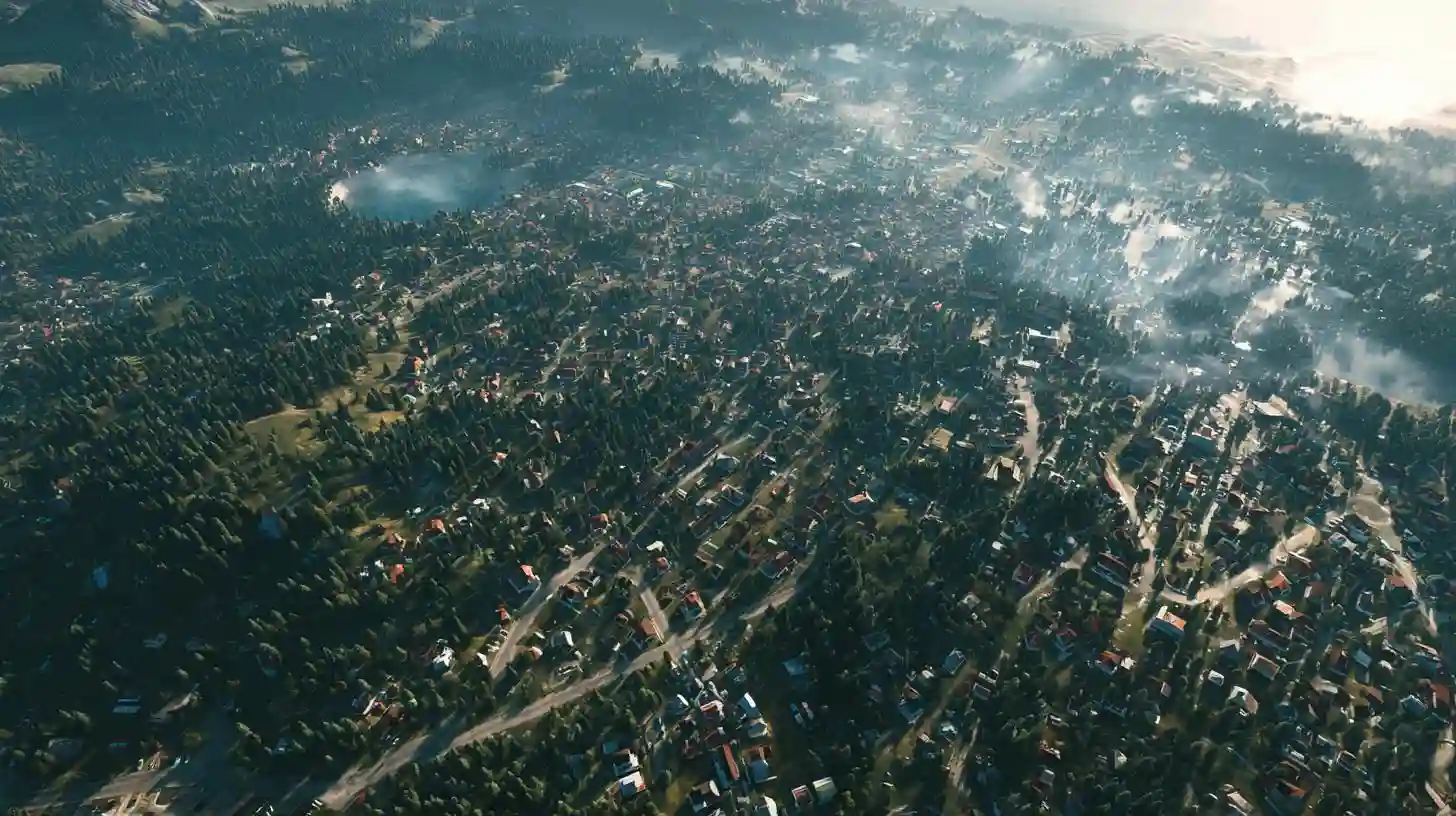
Urban sprawl, the rapid expansion of cities into surrounding areas, significantly impacts local animal populations. As cities grow, forests, wetlands, and other natural habitats are often cleared to make way for new buildings, roads, and infrastructure. This disruption results in the loss of important ecosystems that many animals rely on for food, shelter, and breeding grounds. The destruction of these habitats forces animals to either adapt to new environments or face displacement. For some species, the loss of their natural homes can lead to declining populations, while others may move into urban areas, often struggling to survive in unfamiliar and harsh conditions.
In addition to habitat loss, urban sprawl brings about increased pollution, including noise, light, and air pollution, all of which can have adverse effects on animal behavior and health. Many animals, especially nocturnal species, rely on natural light patterns to navigate their environment. The bright lights from city streets can disrupt their feeding and mating behaviors. Similarly, noise pollution from traffic and construction can interfere with communication among animals, such as the calls of birds or the echolocation of bats, making it harder for them to find food or mates.
Fragmentation of habitats is another consequence of urban sprawl. As natural areas are divided by roads and development, animals are often unable to move freely between the isolated patches of habitat. This isolation can lead to reduced genetic diversity, making populations more vulnerable to disease and environmental changes. Species that rely on large, continuous areas of land, such as large mammals or migratory birds, are particularly at risk. Without the ability to move across the landscape, their survival becomes increasingly difficult.
Additionally, urban sprawl often introduces invasive species into local ecosystems. These non-native species can outcompete or prey on native animals, further stressing local populations. In some cases, invasive species can completely alter the food web, leading to the decline or extinction of native species. For example, urban areas may provide ideal conditions for certain predators or pests that are not typically found in natural habitats, threatening the balance of local ecosystems.
The effects of urban sprawl on local animal populations are far-reaching and complex. The gradual loss of biodiversity and the increasing challenges for animals to adapt to urban environments highlight the need for more sustainable urban planning. Balancing human development with the preservation of natural habitats is crucial in ensuring that local animal populations can continue to thrive in the face of urban expansion.