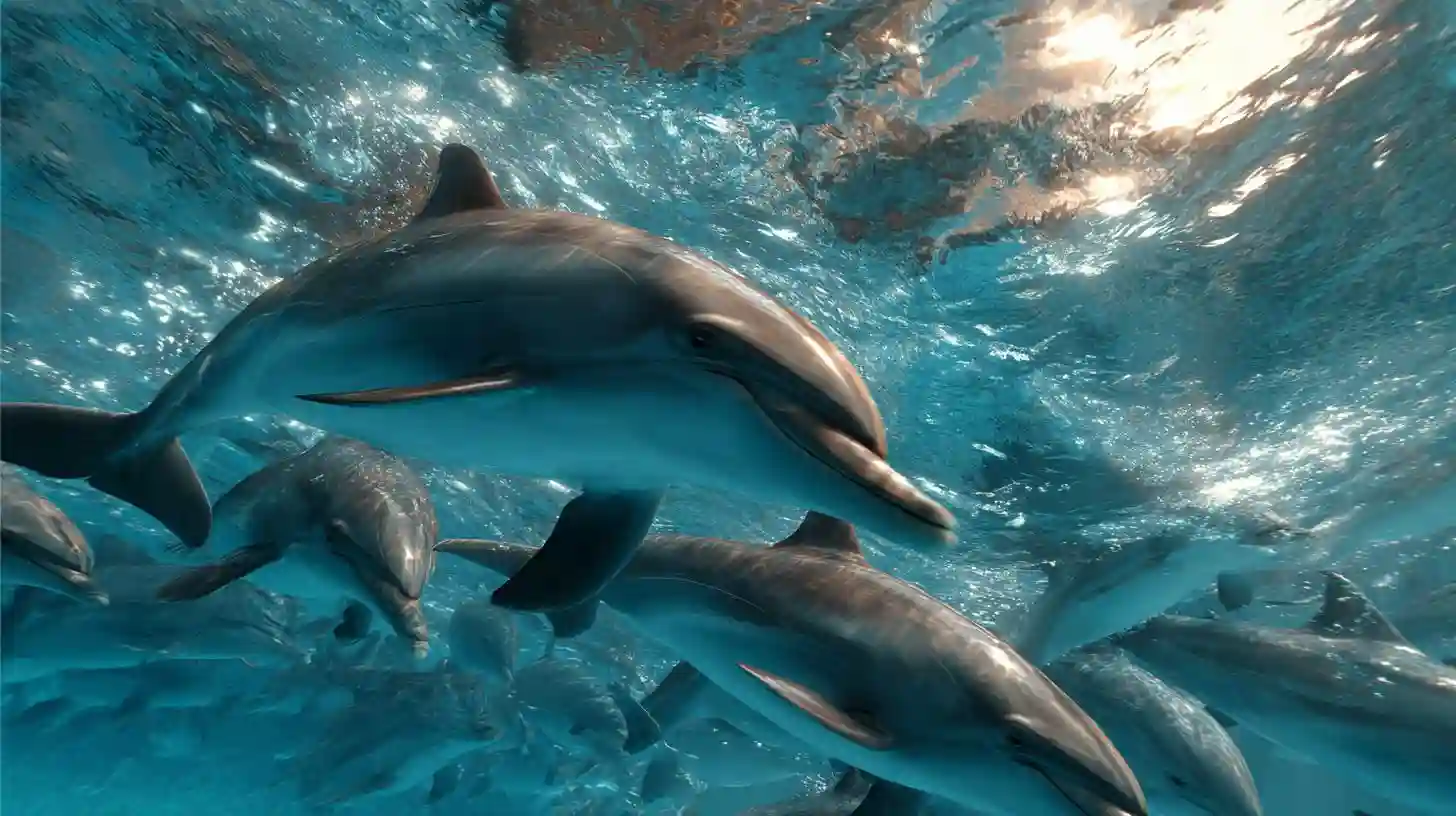
Human activities have increasingly influenced the natural environment in ways that directly affect dolphin social groups and their behavior. Coastal development, tourism, and fishing practices disrupt the habitats that dolphins rely on, leading to changes in group cohesion and communication patterns. Noise pollution from boats and underwater machinery interferes with their echolocation abilities, making it more difficult for them to locate prey and communicate with one another. This disruption can fragment established social bonds and force dolphins to adjust their grouping behavior to cope with the new acoustic environment. The presence of humans in key feeding or breeding areas can alter the distribution of dolphin pods, as some individuals may avoid areas with heavy boat traffic while others may become habituated to human presence, which changes natural behavioral dynamics. Fishing activities, including bycatch and competition for fish, impact feeding strategies and can increase stress within dolphin communities. The availability of food may become unpredictable, leading to changes in the size and structure of social groups as dolphins seek alternative sources or forage more widely. Tourist interactions, such as swimming with dolphins or wildlife observation excursions, may inadvertently encourage aggressive or risky behavior, especially in younger individuals learning from adults about how to respond to unfamiliar stimuli. Changes in social structures and behavior may also affect reproductive success, as social interactions play a critical role in mating and care of young. Dolphins may alter their movement patterns, foraging strategies, and vigilance levels in response to repeated human interference, and these behavioral adaptations can have cascading effects on their long-term health and survival. The intricate relationships between individuals in a pod are highly sensitive to disturbances, and persistent human activity can lead to lasting changes in the dynamics of social networks, the transmission of cultural behaviors, and overall pod resilience. Protecting critical habitats and managing human interactions with dolphins are essential to preserving their natural social behavior and the stability of their communities.