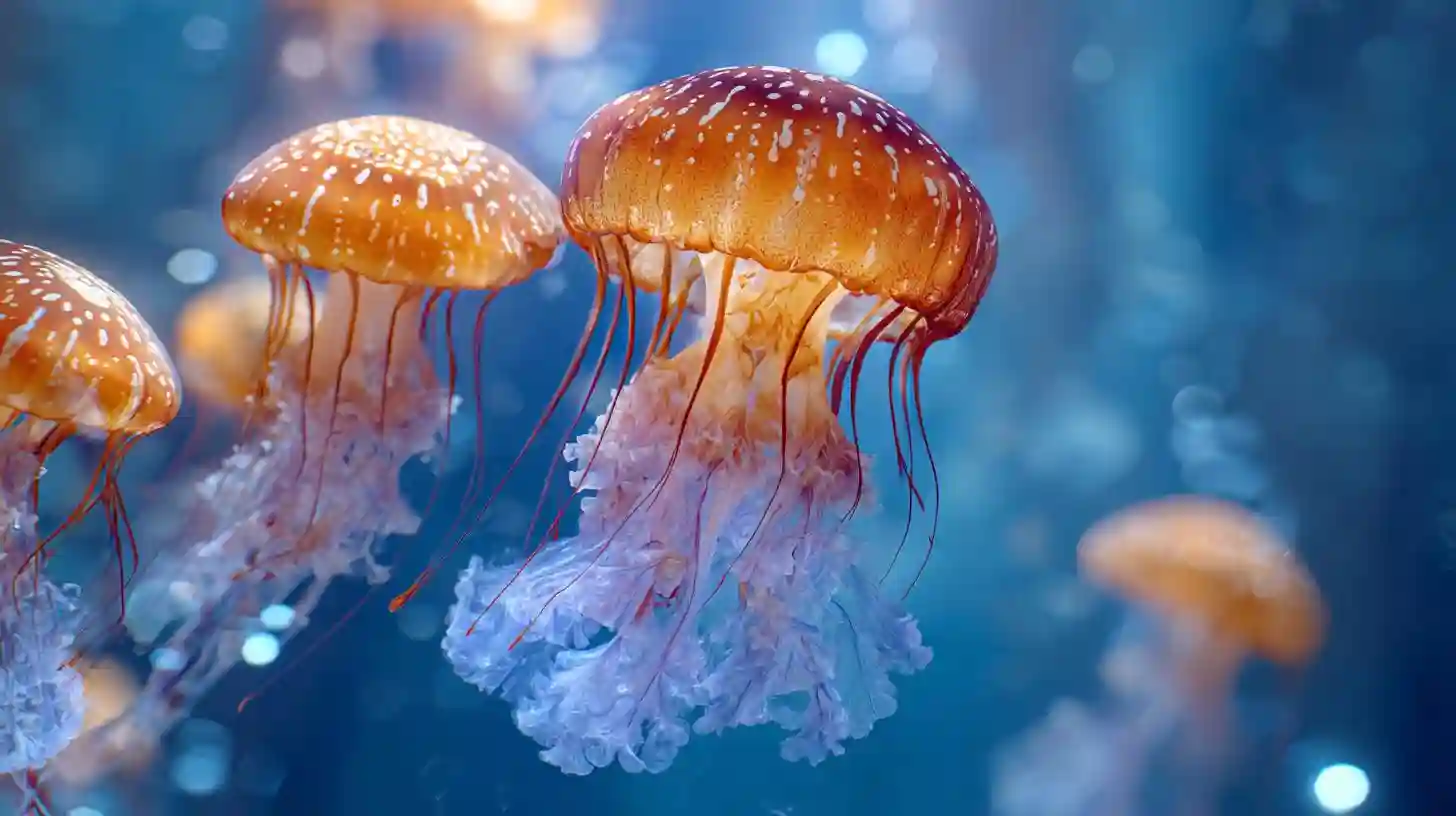
Keeping jellyfish as pets has gained popularity in recent years due to their mesmerizing appearance and graceful movements. However, this practice raises significant concerns about its environmental impact. The delicate nature of jellyfish and the specific care they require make it challenging to replicate their natural habitat in home aquariums. Many individuals may not fully understand the complexities of maintaining a jellyfish tank, which can lead to improper care, suffering for the animals, and negative environmental consequences.
One of the primary concerns is the potential for disruption to marine ecosystems. Jellyfish are often harvested from the wild to be sold as pets, which puts additional pressure on already vulnerable species. Overfishing for the pet trade can lead to a decrease in jellyfish populations in their natural environments, causing imbalances in the ecosystem. These creatures play crucial roles in marine food webs, serving as both predators and prey. Removing too many from their natural habitats can result in unintended ripple effects, impacting other marine life and biodiversity.
Another significant environmental concern is the disposal of jellyfish when pet owners can no longer care for them. Often, people release jellyfish back into the wild, but this can be harmful. The released jellyfish might not survive in unfamiliar environments due to changes in water temperature, salinity, or the presence of predators. Additionally, released jellyfish may introduce non-native species into new areas, disturbing local ecosystems. The transportation of jellyfish from their natural habitats to pet stores and then to private homes also contributes to carbon emissions, further exacerbating environmental harm.
Maintaining a jellyfish aquarium requires careful attention to water quality, filtration, and lighting. These systems can consume a considerable amount of energy and resources, adding to the carbon footprint associated with jellyfish keeping. Moreover, the production of artificial tanks and related equipment often involves the use of plastics and other materials that contribute to pollution when they are discarded.
The rise in popularity of jellyfish as pets brings with it a range of environmental challenges. From the overharvesting of wild populations to the improper disposal of jellyfish and the energy-intensive requirements of their care, keeping these creatures as pets carries with it a broader environmental cost that should not be overlooked.