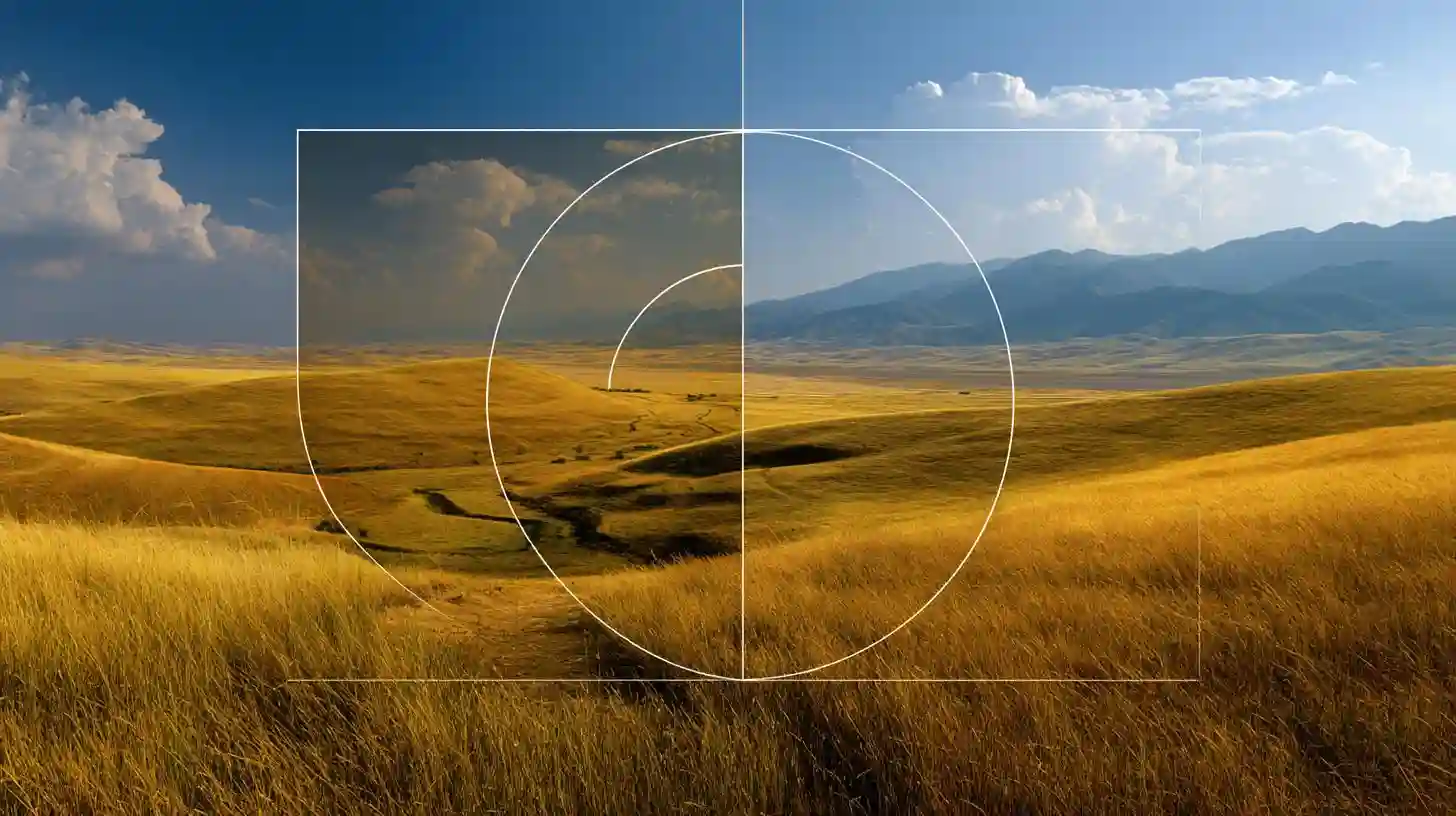
Landscape composition is a crucial aspect of creating captivating artwork. It involves carefully arranging elements within the scene to guide the viewer’s eye and evoke a particular feeling or mood. Understanding the basics of landscape composition can significantly improve the impact of an artist’s work.
One fundamental principle in landscape composition is the use of the foreground, middle ground, and background. These three layers create a sense of depth and perspective. The foreground often includes objects or textures that anchor the viewer’s attention, such as rocks, trees, or water. These elements help lead the viewer's gaze deeper into the scene. The middle ground typically contains the main subjects, like fields, mountains, or buildings, and serves as a transition to the background, which may include distant landscapes or the sky. The layering of these elements helps to create a sense of space and dimension in the composition.
Another important consideration is the rule of thirds. By dividing the canvas into three equal parts both horizontally and vertically, an artist can position key elements along these lines or at their intersections. This arrangement naturally creates balance and harmony while making the composition more engaging. The horizon line, for instance, is often placed along one of these horizontal lines, keeping the balance between the sky and land.
Lighting plays a significant role in landscape composition. The direction, quality, and intensity of light can drastically change the mood of a scene. A soft, diffused light can evoke calmness, while harsh light can create drama and emphasize contrasts. Artists can use shadows and highlights to emphasize certain elements, giving them more prominence in the overall composition.
Perspective is another key element. By employing linear perspective, artists can create a sense of depth and lead the viewer's eye into the distance. Roads, rivers, or rows of trees can act as leading lines that guide the viewer's gaze through the landscape.
Color is also essential in landscape composition. The artist can use color to create mood and draw attention to specific parts of the scene. Warm colors like reds and oranges can evoke warmth or excitement, while cooler colors like blues and greens can produce a sense of calm or tranquility. Contrast between light and dark colors can also help direct attention to focal points in the composition.
Textures in the landscape, such as the roughness of rocks, the softness of grass, or the smoothness of water, add a tactile dimension to the artwork. These textures help to make the scene feel more lifelike and immersive. Artists often exaggerate certain textures to enhance the visual appeal or convey a specific atmosphere.
The placement and positioning of elements within the composition can also convey movement or stillness. A flowing river or a gust of wind moving through the trees can imply motion, while a tranquil pond or a quiet mountain scene suggests stillness and serenity. The arrangement of these elements is key to creating the desired narrative or emotional impact.
A well-composed landscape painting doesn’t simply depict a view; it tells a story, invites the viewer to experience the environment, and evokes a response. Understanding how to balance all these aspects—depth, perspective, light, color, texture, and movement—helps an artist create a dynamic and engaging composition that captures the essence of the natural world.