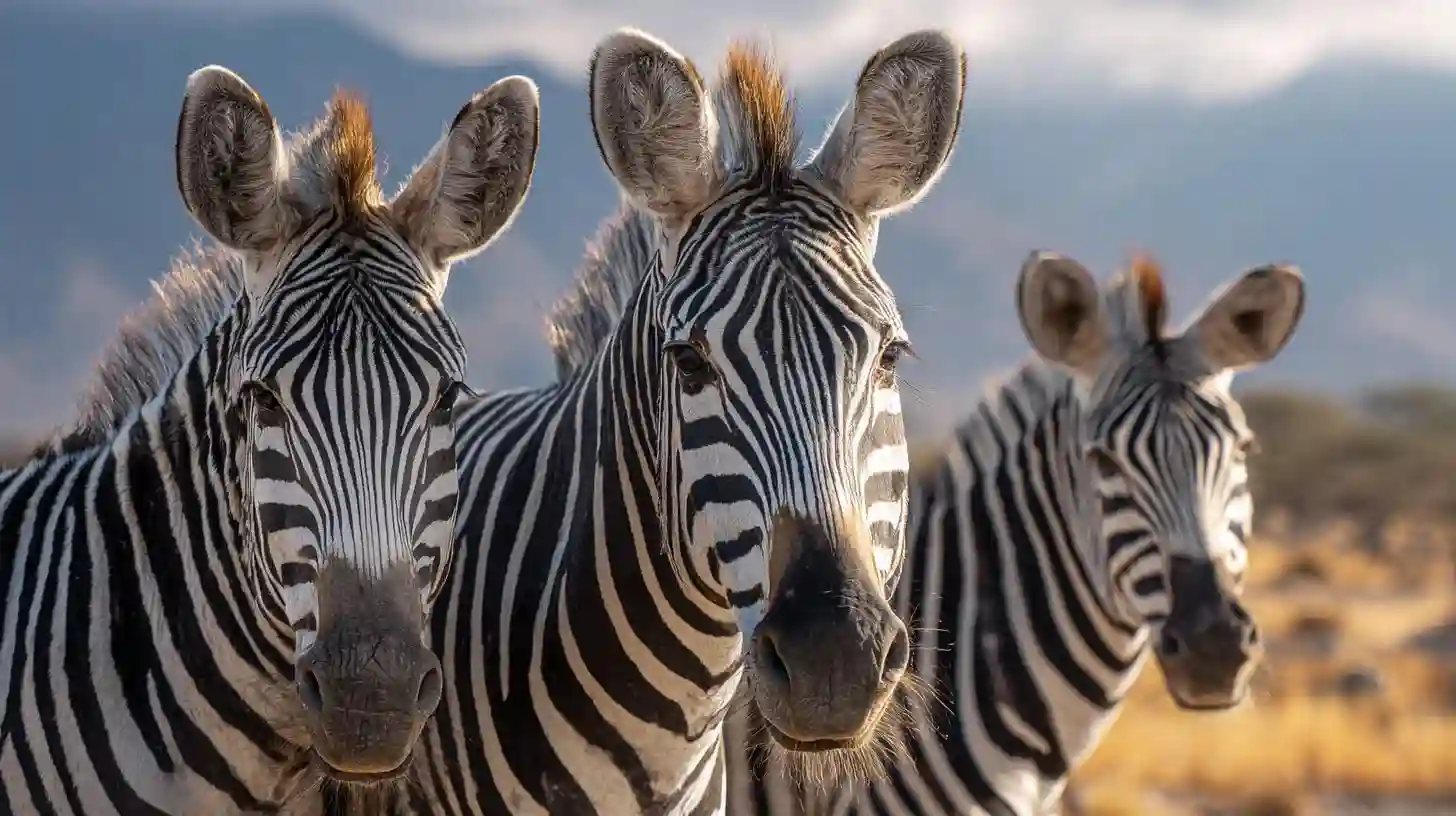
Zebras are one of the most iconic species in the animal kingdom, renowned for their striking black-and-white stripes. These unique markings are not just for show; they serve multiple important functions, from camouflage in tall grasses to regulating body temperature and even deterring biting insects. Despite their adaptability, zebras face growing threats that put their future at risk, primarily due to habitat loss, poaching, and the effects of climate change. Protecting zebras and their remarkable adaptations is crucial for maintaining the biodiversity of African ecosystems and preserving a species that has evolved over millions of years to thrive in challenging environments.
Habitat destruction caused by human expansion and agricultural activities is a significant threat to zebras, as it reduces the size of their grazing areas and isolates populations. Fragmented habitats not only limit food sources but also make it harder for zebras to find mates, leading to genetic bottlenecks. Conservation efforts need to focus on preserving large, continuous areas of land where zebras can roam freely, ensuring that their ecosystems remain intact. Establishing protected areas and wildlife corridors will help mitigate this issue and promote genetic diversity, which is essential for the species’ survival.
Another key challenge is poaching, driven by the illegal wildlife trade and demand for zebra pelts. While zebras are not as commonly targeted as elephants or rhinos, they are still vulnerable to exploitation, particularly in regions where law enforcement is weak. Stronger anti-poaching initiatives, increased patrols, and international cooperation to tackle wildlife trafficking are essential steps in ensuring zebras are not driven to extinction.
Climate change is also having an increasingly negative impact on zebras. Shifting weather patterns, droughts, and changing vegetation are altering the ecosystems that zebras depend on for survival. They rely on a delicate balance of seasonal rainfall and temperature fluctuations to maintain access to water and suitable grazing lands. As these conditions become more unpredictable, zebras may struggle to adapt quickly enough, threatening their populations.
Efforts to protect zebras must also focus on their unique biological and behavioral adaptations. Their distinctive stripes play a key role in their survival, not only in camouflage but also in thermoregulation and social interactions. Preserving the natural behaviors that have allowed zebras to thrive in harsh environments is essential to ensuring their long-term survival. Additionally, community engagement in conservation efforts is vital for creating awareness and fostering local support for zebra protection initiatives. By involving local populations in conservation activities, such as ecotourism or wildlife monitoring programs, communities can become active participants in preserving their natural heritage.
Ultimately, ensuring a future for zebras requires a multifaceted approach, combining habitat protection, anti-poaching efforts, climate adaptation strategies, and community involvement. These efforts, when coordinated across international borders and supported by both governmental and non-governmental organizations, can help safeguard the zebra population for generations to come.