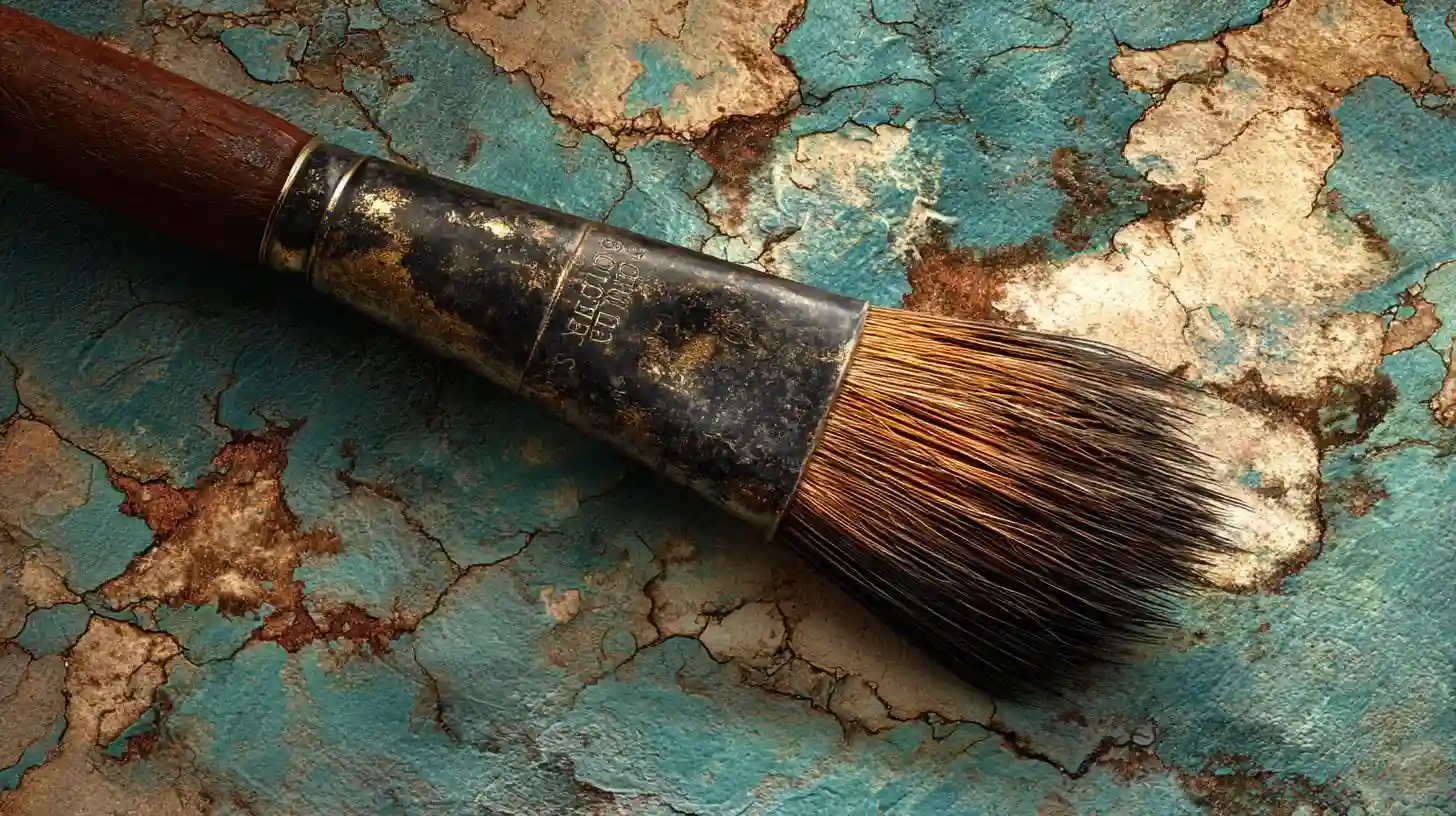
When it comes to creating texture in oil painting, the choice between soft and hard brushes can have a significant impact on the final outcome. Soft brushes are typically characterized by their gentle bristles, which allow for smooth, blended strokes. These brushes are ideal for creating subtle textures, such as the soft transitions in skin tones or the delicate textures of a cloudy sky. They can hold a generous amount of paint, making them excellent for glazing and layering, where the aim is to create depth through gradual changes in color and tone. The flexibility of a soft brush also enables artists to make more fluid, controlled marks, which is particularly useful when trying to achieve a sense of realism in fine details.
On the other hand, hard brushes, with their stiffer bristles, are more suited for creating bolder, more pronounced textures. These brushes are often used to carve into the paint or create visible brushstrokes that add energy and contrast to the painting. They excel at making textured effects like rough landscapes, the surface of water, or the intricate patterns found in animal fur or tree bark. Hard brushes can leave behind sharp, distinct marks that add a sense of rawness or dynamism to a piece, and their ability to hold less paint makes them suitable for dry brushing techniques, where the artist applies little paint for a rough, scratchy effect.
Both types of brushes play crucial roles in achieving different effects within the texture of an oil painting. While soft brushes provide a smoother, more controlled texture ideal for fine details and subtle transitions, hard brushes contribute to a more tactile, expressive texture that can define the overall energy of the piece. The choice between the two depends on the artist’s intention, with each offering a unique way to manipulate paint and surface to convey the desired visual impact.