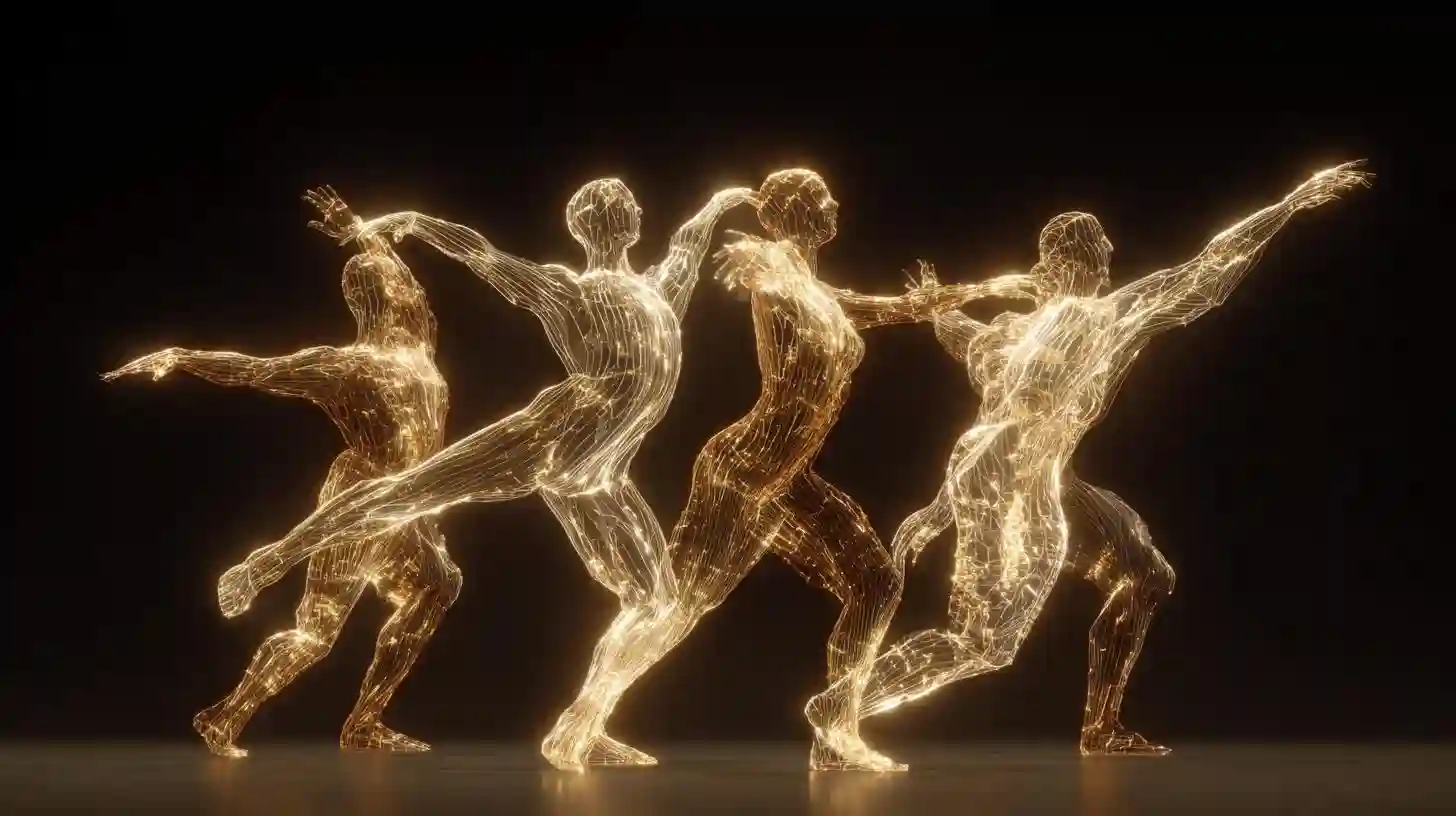
Dance serves as a powerful form of non-verbal communication, transcending language barriers and allowing individuals to express emotions, ideas, and intentions in ways words cannot. It has been a central part of human societies across cultures and ages, embodying emotions such as joy, sorrow, celebration, or protest. Through rhythmic movement, posture, and gesture, dance communicates feelings and concepts directly, often evoking strong emotional responses from both the performer and the audience. In group settings, dance facilitates social bonding, fostering a sense of community and shared identity. When performed in sync, movements become a means of creating unity, where the physical connection between individuals goes beyond words. The way a dancer moves—whether fluid and graceful or sharp and vigorous—conveys an array of emotional states. For example, a slow, deliberate motion may express contemplation or sadness, while a lively, rapid series of movements can symbolize happiness or excitement. This non-verbal exchange can be deeply personal, as individuals use dance to express aspects of their identity, desires, and experiences. Moreover, dance often plays a role in rituals, ceremonies, and performances, acting as a storytelling medium that doesn't rely on verbal language. The way dancers interact with one another also reveals their relationships, offering insight into their dynamics without uttering a single word. In these contexts, the intricate communication happening through movement can be as meaningful as any verbal interaction. Beyond traditional settings, dance has emerged as a global language in contemporary media, allowing individuals from different backgrounds to connect with one another through shared movement and rhythm. Whether in a ballet performance, a street dance battle, or a cultural festival, dance creates a space for human connection where words may fall short. It highlights the universal desire to communicate emotions and experiences, making it an essential part of human interaction.