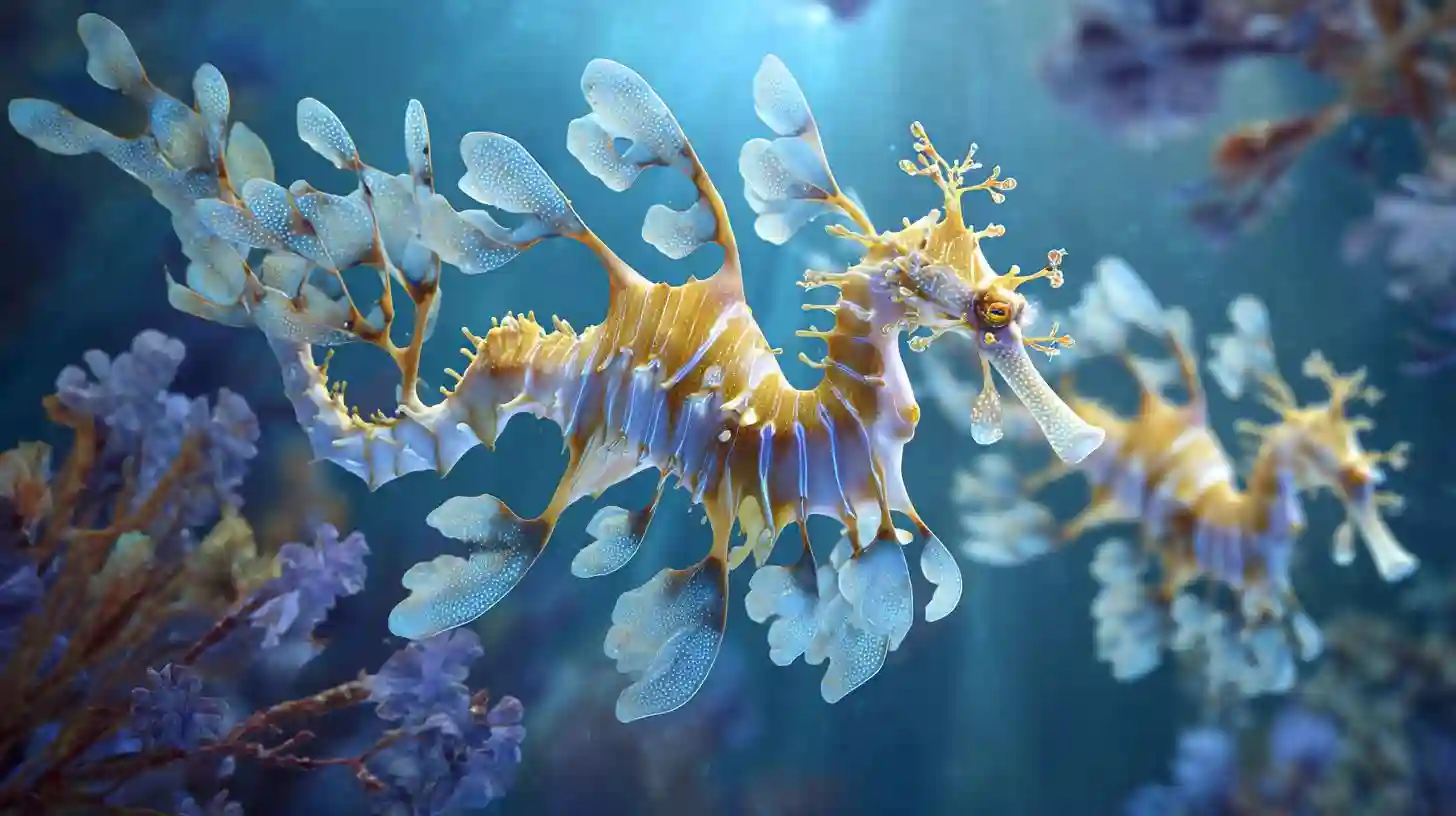
Sea hares are a type of marine gastropod mollusk that play an important role in maintaining the health of marine ecosystems. These creatures are often found in shallow waters, clinging to seagrasses, algae, or rocky substrates. As herbivores, sea hares feed primarily on algae, contributing to the regulation of algal populations. By consuming excess algae, they prevent overgrowth that could otherwise disrupt the balance of the ecosystem. In areas where sea hares are abundant, their grazing helps maintain a healthy marine environment by ensuring that algae do not overshadow or outcompete other important species, such as seagrasses or coral reefs. Additionally, sea hares are a food source for various marine predators, including fish and some invertebrates. Their presence thus supports the broader food web, providing sustenance to higher trophic levels. Sea hares also serve as bioindicators, meaning their health can reflect the condition of the environment around them. For instance, changes in their population or behavior might signal shifts in water quality, temperature, or habitat degradation, alerting scientists to potential ecological concerns. Furthermore, sea hares have developed fascinating defense mechanisms to protect themselves from predators. When threatened, they release a purple ink, which serves as both a deterrent and a means of escape. This ink can confuse or even incapacitate potential threats, giving the sea hare a chance to flee to safety. Beyond their immediate ecological contributions, sea hares are also valuable in scientific research. Their simple nervous system and unique biological features make them ideal subjects for studying neurobiology and the effects of chemicals in marine environments. Their reproductive behavior, which involves complex mating rituals and the production of large numbers of eggs, also offers insights into the reproductive strategies of marine invertebrates.