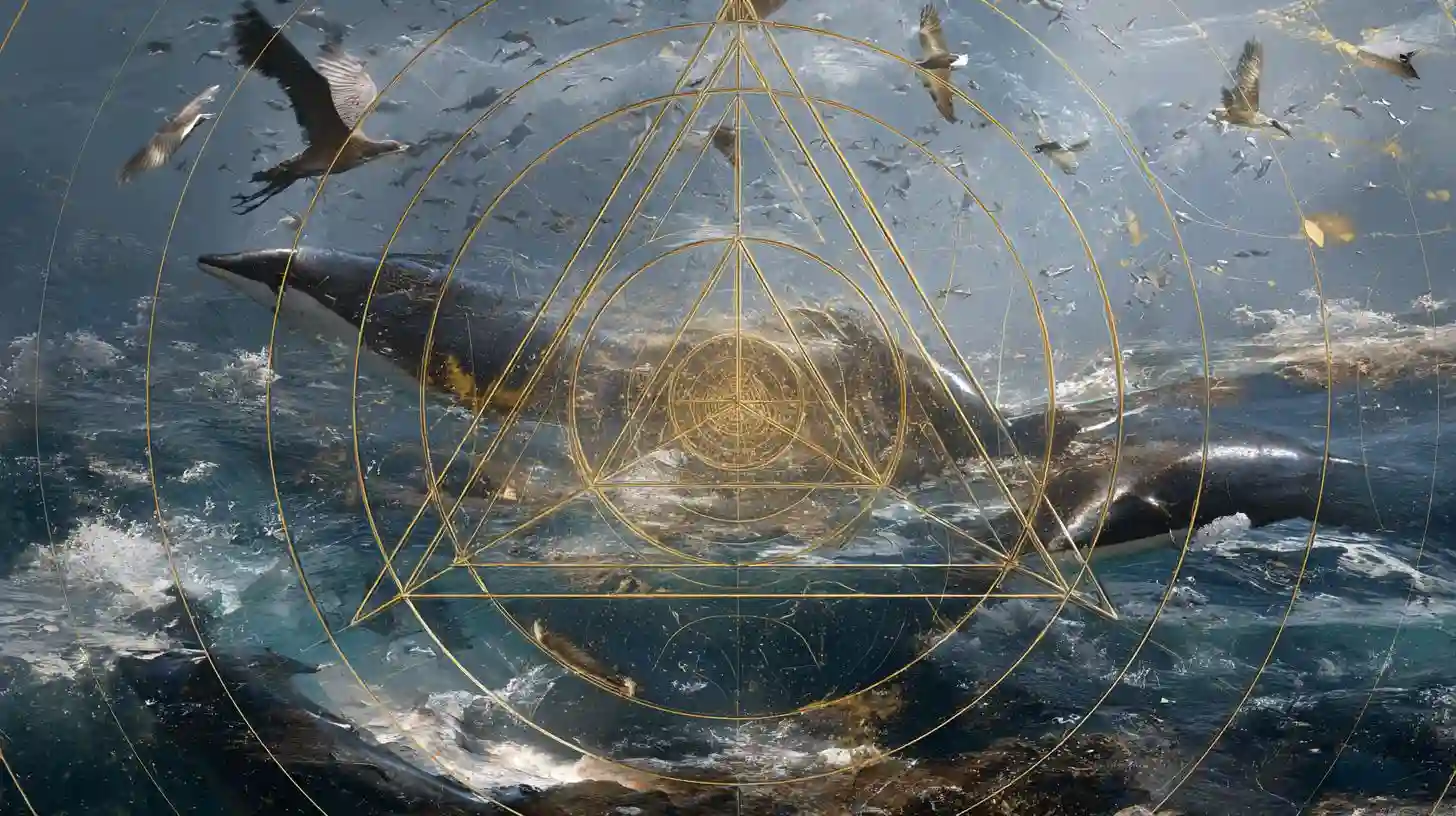
Art has long been a powerful tool for conveying messages and stirring emotions, making it an invaluable resource in environmental advocacy. Through visual representations, music, literature, and performances, artists can shed light on environmental issues, spark conversations, and motivate action. The role of art in this context goes beyond mere representation; it brings a sense of urgency and personal connection to the often distant or abstract concerns related to the planet's well-being.
The effectiveness of art in environmental advocacy lies in its ability to humanize global issues. While scientific data and statistics may inform and educate, art has the unique ability to communicate complex environmental crises on an emotional level. For example, a photograph of a deforested landscape or a painting depicting the destruction of marine life due to pollution can invoke a deeper response than a report or article. These visual representations evoke empathy, allowing individuals to relate to the plight of ecosystems and species that may be outside their direct experience. Art invites viewers into a shared emotional space where they are more likely to consider the long-term consequences of environmental degradation and the need for collective action.
Moreover, art can serve as a platform for marginalized voices in environmental discussions. Many indigenous communities and local populations who live on the front lines of environmental degradation are often overlooked in mainstream media. Through artistic expression, these groups can share their experiences, perspectives, and wisdom, contributing to a more inclusive and diverse conversation about environmental protection. This helps ensure that advocacy efforts reflect the realities faced by communities most affected by climate change, deforestation, pollution, and other ecological challenges.
Art also has the capacity to transcend cultural and linguistic barriers. While scientific discourse and political speeches are often confined by language, art speaks a universal language. Whether it’s through a film, an installation, or a street mural, art can communicate a message that resonates with people from all backgrounds, fostering solidarity across national and cultural lines. This makes art an essential tool in global environmental movements, allowing people worldwide to unite in their support for sustainable practices and policies.
Environmental art can inspire people to change their behavior and adopt more eco-friendly habits. By seeing the beauty of nature and the devastation caused by human activity, individuals may be motivated to engage in conservation efforts, reduce waste, or advocate for stronger environmental protections. Through artistic expression, artists can provide a call to action, urging viewers to take responsibility for the planet's future and contribute to solutions. Whether through the creation of thought-provoking works or the organization of environmental art events, art is an essential catalyst for change, amplifying the urgency of environmental advocacy and bringing it into the hearts and minds of people everywhere.