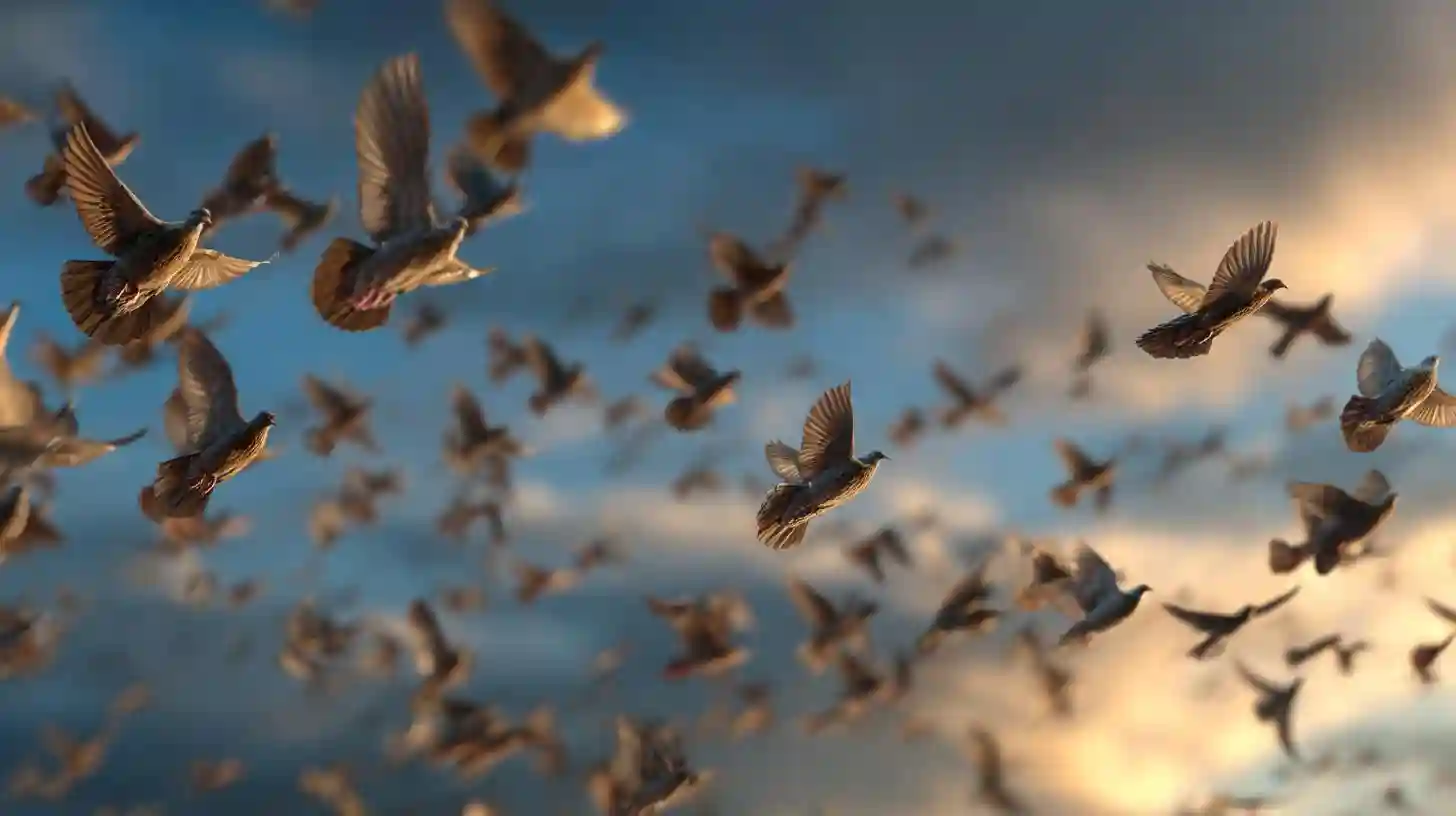
As climate change continues to alter ecosystems around the world, the future of bird migration is at a significant crossroads. Birds, which have long followed instinctual patterns and routes during their seasonal migrations, may soon face dramatic shifts in these behaviors due to rising temperatures and changing habitats. Over the next decade, the timing, routes, and destinations of these migratory journeys could undergo profound transformations. Warmer temperatures, for example, might push birds to migrate earlier or later in the year, depending on their specific needs and the local environmental cues they rely on. Species that typically travel long distances could find themselves facing new challenges as they adapt to altered migration schedules. Coastal wetlands and inland water sources that have traditionally provided crucial stops along migratory routes may become more unpredictable due to increased flooding or drought, forcing birds to seek alternative rest areas. Furthermore, many bird species are experiencing shifts in their breeding and feeding grounds as the availability of food changes with the warming climate. Some species may even expand their ranges northward, as their traditional habitats become inhospitable, while others may find themselves isolated in regions with fewer resources. Another significant concern is the impact of human activity on bird migration. The development of infrastructure such as roads, buildings, and energy projects can disrupt natural routes, leading to fatal collisions or forcing birds to take longer, more hazardous paths. Conservation efforts, including the establishment of protected migratory corridors, will be crucial in mitigating these risks and preserving vital ecosystems for birds during their journeys. Additionally, changes in migration could also affect local ecosystems and biodiversity. Many plants and animals depend on the migratory patterns of birds for pollination, seed dispersal, and the regulation of insect populations. If these patterns shift significantly, there could be cascading effects throughout ecosystems. The next decade may offer new insights into how birds adapt to the ever-changing environment, but it will require a concerted effort to protect these remarkable creatures and the complex networks they rely on.