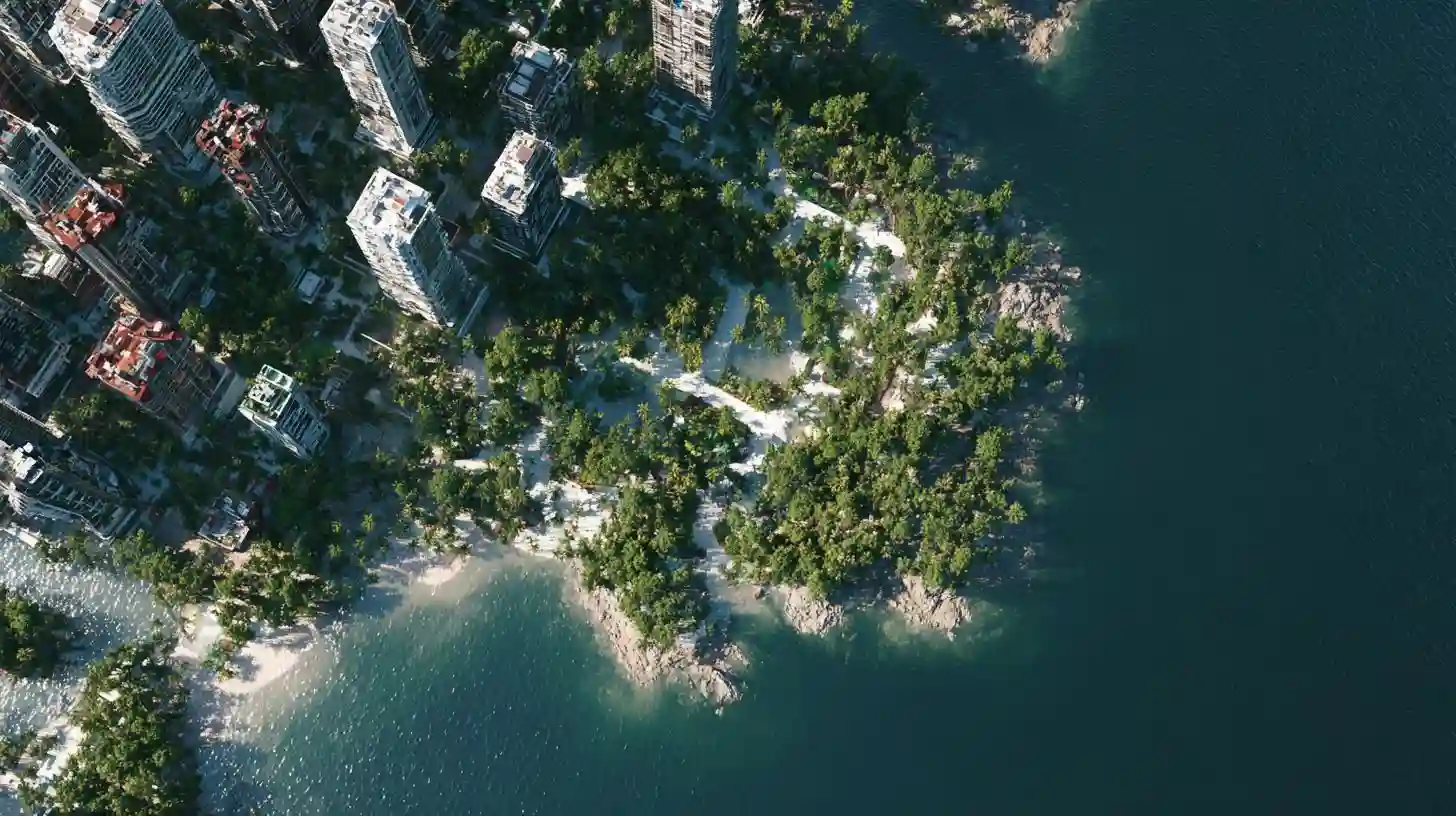
Coastal urban areas are among the most dynamic regions in the world, where rapid development often meets natural preservation concerns. These areas are crucial not only for their economic opportunities, such as trade, tourism, and industry, but also for their ecological significance. Striking a balance between development and conservation in such environments presents a challenge that requires thoughtful planning, strong governance, and innovative approaches.
One of the key considerations is how to integrate urban infrastructure with the delicate ecosystems found along coastlines. Coastal zones are home to unique habitats like mangroves, coral reefs, and wetlands, which provide essential services such as flood protection, carbon sequestration, and biodiversity support. However, urban expansion, including real estate development and industrialization, often threatens these fragile ecosystems through pollution, habitat destruction, and over-exploitation of resources. Managing this delicate balance demands strategies that allow for growth while minimizing environmental damage.
Urban planners and policymakers can employ several strategies to address these concerns. The incorporation of green infrastructure, such as parks, wetlands, and natural buffers, within urban designs can help mitigate the environmental impact of construction and urban sprawl. By designing cities with open spaces that replicate natural environments, coastal communities can enjoy the benefits of development without sacrificing their natural heritage. Additionally, coastal zoning regulations can limit the encroachment of harmful development into ecologically sensitive areas, ensuring that vital ecosystems remain protected.
Education and community engagement also play a significant role in fostering a culture of conservation within coastal urban areas. Local populations, particularly in rapidly developing regions, must be made aware of the importance of their natural surroundings and the long-term benefits of preserving them. Sustainable tourism, which promotes low-impact activities and encourages eco-friendly practices, can help to generate economic benefits without overburdening the environment.
Finally, the use of technology and data-driven solutions can enhance both conservation and development efforts. Monitoring systems can track the health of ecosystems in real time, allowing authorities to quickly respond to emerging threats such as pollution or climate change impacts. In this way, modern technologies provide critical tools for decision-makers in balancing growth with environmental stewardship.