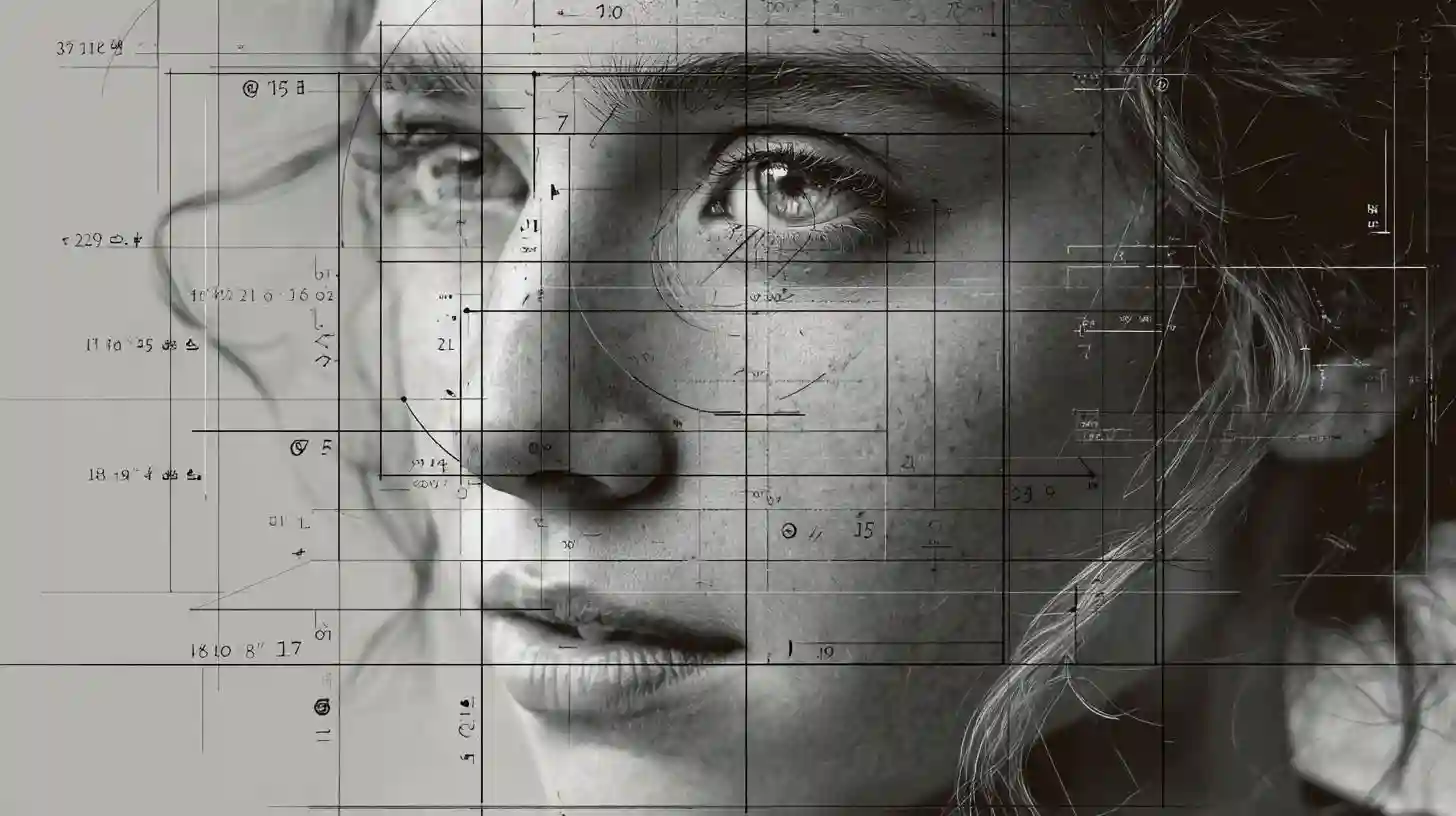
Using reference photos effectively for portrait drawing requires careful observation and thoughtful interpretation rather than simple copying. Start by studying the overall composition of the photo, paying attention to the lighting, angles, and proportions. Notice how shadows fall across the face, how highlights define the shape of the nose, cheekbones, and jawline, and how these subtle changes in light influence the perception of depth. Observing the interplay between light and shadow allows an artist to create a sense of three-dimensionality in the portrait, making it more lifelike and dynamic.
Pay attention to the underlying structure of the face rather than focusing solely on superficial details. Identify the placement of eyes, nose, mouth, and ears in relation to each other, as well as the alignment of the head and tilt of the neck. Understanding these structural relationships helps maintain accurate proportions while allowing room for stylistic interpretation. Study the planes of the face to comprehend how different surfaces catch light differently, which aids in rendering form convincingly. A careful examination of bone structure and muscle placement enhances the realism of the drawing and provides guidance for creating expressive features.
Reference photos should also be used to capture subtle expressions and personality traits. Observe micro-expressions in the eyes, the curve of a smile, or the tension in the brow. These small details can significantly impact the mood and character of the portrait. Avoid relying on a single photo; using multiple references or combining different images can provide a more complete understanding of the subject, offering various angles, lighting conditions, and expressions to enrich the final artwork.
Experimentation with translation from photo to paper is crucial. Use the photo as a guide rather than a template, adapting shapes, lines, and shading to fit the artist’s vision. Maintain flexibility in interpretation, exaggerating or softening features as needed to enhance aesthetic appeal. Regular practice with reference photos improves observation skills, strengthens memory for facial anatomy, and builds confidence in handling complex visual information. This approach transforms reference photos into tools for learning, inspiration, and creation rather than mere duplication.