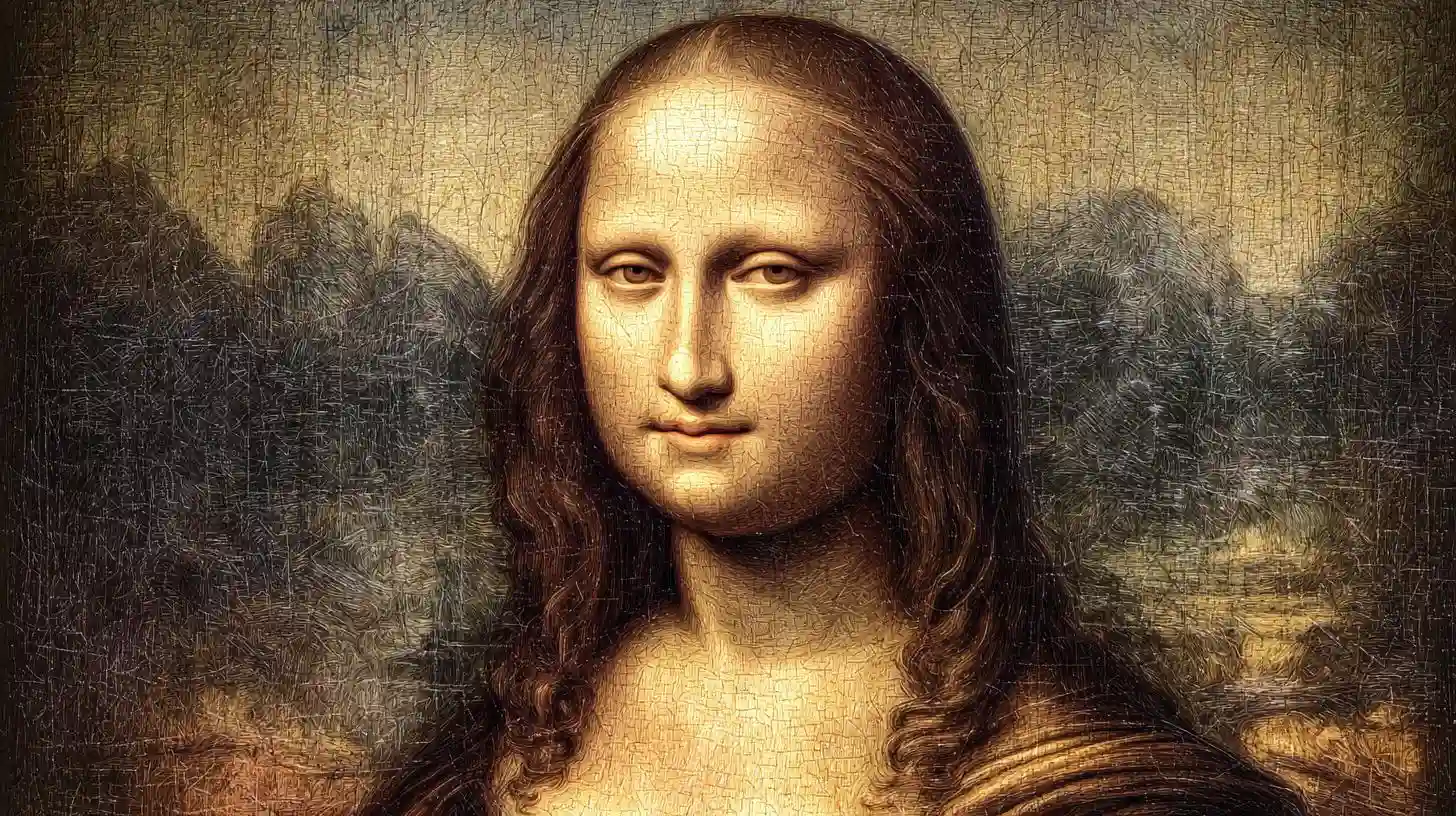
The Mona Lisa, painted by Leonardo da Vinci, is one of the most famous and enigmatic works of art in the world. The portrait of a woman, believed to be Lisa Gherardini, a Florentine woman, has captivated viewers for centuries with her mysterious smile and gaze. The painting was created during the Renaissance, a period known for its flourishing of art, science, and culture in Europe. Leonardo spent several years on the painting, and it is said that he took his time to perfect every detail, contributing to the lasting intrigue surrounding the artwork. The Mona Lisa was originally intended for private viewing, perhaps commissioned by a wealthy merchant for his own collection, but it was eventually acquired by the French king, Francis I, in the early sixteenth century. It remained in royal collections until the French Revolution, when it was moved to the Louvre Museum in Paris. The painting’s journey took a dramatic turn in the early twentieth century when it was stolen from the museum. In a highly publicized heist, the Mona Lisa was taken by an Italian handyman who believed the painting belonged in Italy. The theft caused an international sensation, and the painting was not recovered until two years later when it was found in Italy and returned to the Louvre. Since then, the Mona Lisa has remained in the museum, drawing millions of visitors from around the world each year. Its fame has only grown over time, with the painting becoming an icon of art and culture, often referenced in literature, music, and popular media. The Mona Lisa continues to inspire debate about its meaning and symbolism, with scholars and art lovers alike fascinated by the secrets it may hold. It stands as a testament to Leonardo da Vinci’s genius, capturing the imagination of generations.