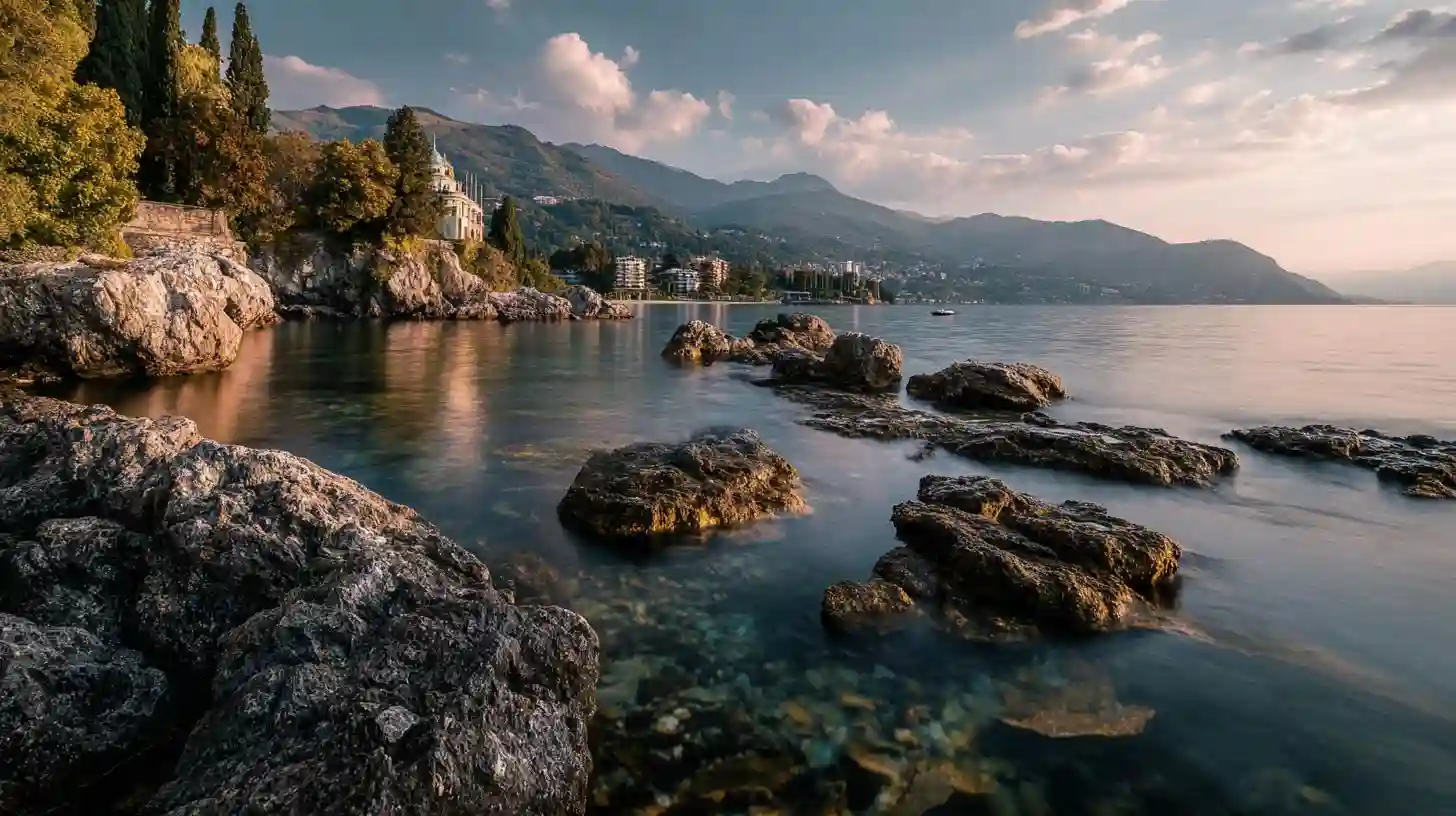
Long exposure photography is a technique that allows landscape photographers to capture stunning effects in nature by using a slow shutter speed. The essence of this technique lies in the ability to record movements of light and objects over a prolonged period, turning a fleeting moment into a beautifully composed photograph. By allowing the camera's sensor to gather light for an extended time, it enables the capture of elements like flowing water, clouds, and even passing people or vehicles in a manner that would be impossible with a standard exposure time. This approach results in a smooth, almost surreal interpretation of a scene, where elements in motion blur into soft streaks or trails.
One of the most iconic effects of long exposure is the transformation of moving water into a silky, dream-like texture. Waterfalls, rivers, and oceans take on an ethereal quality when photographed using this technique. The key to achieving this effect is selecting the right shutter speed. Depending on the amount of motion and the speed of the water, photographers can adjust their exposure to capture the desired smoothness of the water's movement, without freezing the action completely.
Capturing the clouds is another powerful application of long exposure. As clouds drift across the sky, a longer exposure blurs them into soft streaks that add depth and motion to a landscape. This effect is especially dramatic when photographing a vast sky over a scenic horizon, turning the mundane into something dynamic and alive. Photographers often find that shooting during the golden hour or twilight enhances the colors and contrasts of the landscape, making the long exposure technique even more effective.
To prevent overexposure, landscape photographers often use filters, such as neutral density (ND) filters, to reduce the amount of light entering the camera. These filters allow for longer exposures during bright daylight, enabling the capture of smooth water or dramatic cloud movement without washing out the image. Additionally, a sturdy tripod is essential to avoid camera shake, as the extended exposure times can easily introduce unwanted blur if the camera is not perfectly still.
The technique requires patience and a good understanding of light conditions, as long exposures can reveal unexpected details in the landscape, such as the movement of light from passing cars, the soft light trails of stars, or the occasional bird flying through the frame. When executed properly, long exposure photography can transform ordinary landscapes into otherworldly images, bringing a sense of calm and timelessness to the scene. It’s a way of blending the beauty of nature with the artistry of photography, producing images that evoke emotion and spark curiosity.