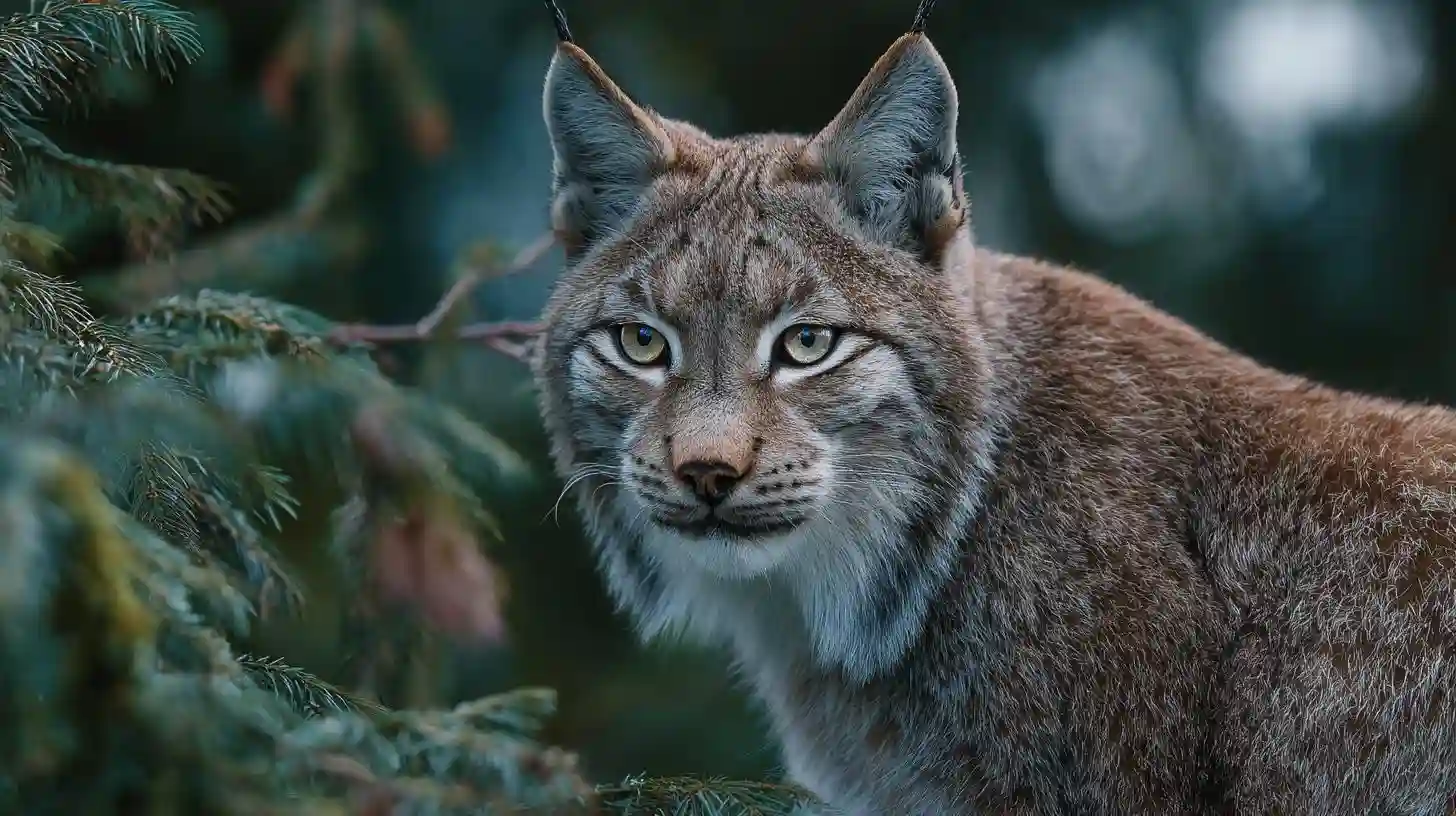
The Eurasian Lynx, once a prominent predator across Europe and Asia, has been gradually reintroduced to its former habitats in several countries after being driven to extinction in many areas due to hunting, habitat destruction, and human encroachment. This reintroduction, however, has faced numerous challenges, despite being a critical component of the conservation efforts aimed at restoring biodiversity and maintaining ecosystem balance.
One of the main challenges in reintroducing the Eurasian Lynx lies in ensuring their survival in environments that have changed significantly since their disappearance. Many areas that were once suitable habitats are now fragmented or altered, making it difficult for the lynx to establish stable populations. Urbanization, agriculture, and deforestation have reduced available prey and disrupted the natural landscapes that the lynx depend on. Moreover, human settlements pose a constant threat, with vehicle collisions, poaching, and farming practices sometimes leading to deadly encounters.
Another hurdle is the potential conflict with local farming communities. The Eurasian Lynx is a carnivore, and although it primarily preys on roe deer and small mammals, it can sometimes target livestock. This has led to resistance from farmers who view the lynx as a threat to their livelihoods. Effective communication and compensation schemes have been put in place in some regions, but there are still areas where these measures are not well implemented, and tensions remain high.
On the positive side, the successes of the reintroduction efforts cannot be ignored. In countries like Switzerland, Slovakia, and Germany, lynx populations have been successfully reintroduced into forests that had once been devoid of these majestic cats. These regions have seen gradual improvements in lynx numbers, thanks to protected areas and efforts to restore the natural prey base. Furthermore, the lynx plays a crucial role in maintaining the balance of ecosystems by controlling populations of smaller predators and herbivores, thus allowing vegetation to flourish and promoting biodiversity.
Research and collaboration among conservationists, governments, and local communities have been vital to overcoming these obstacles. Monitoring the lynx population through GPS tracking and camera traps has provided invaluable insights into their behavior and movement patterns, which help inform conservation strategies. Reintroducing the Eurasian Lynx is a long-term process that requires ongoing adjustments and patience, but with careful management, it offers a hopeful model for the restoration of other species and the protection of natural habitats.