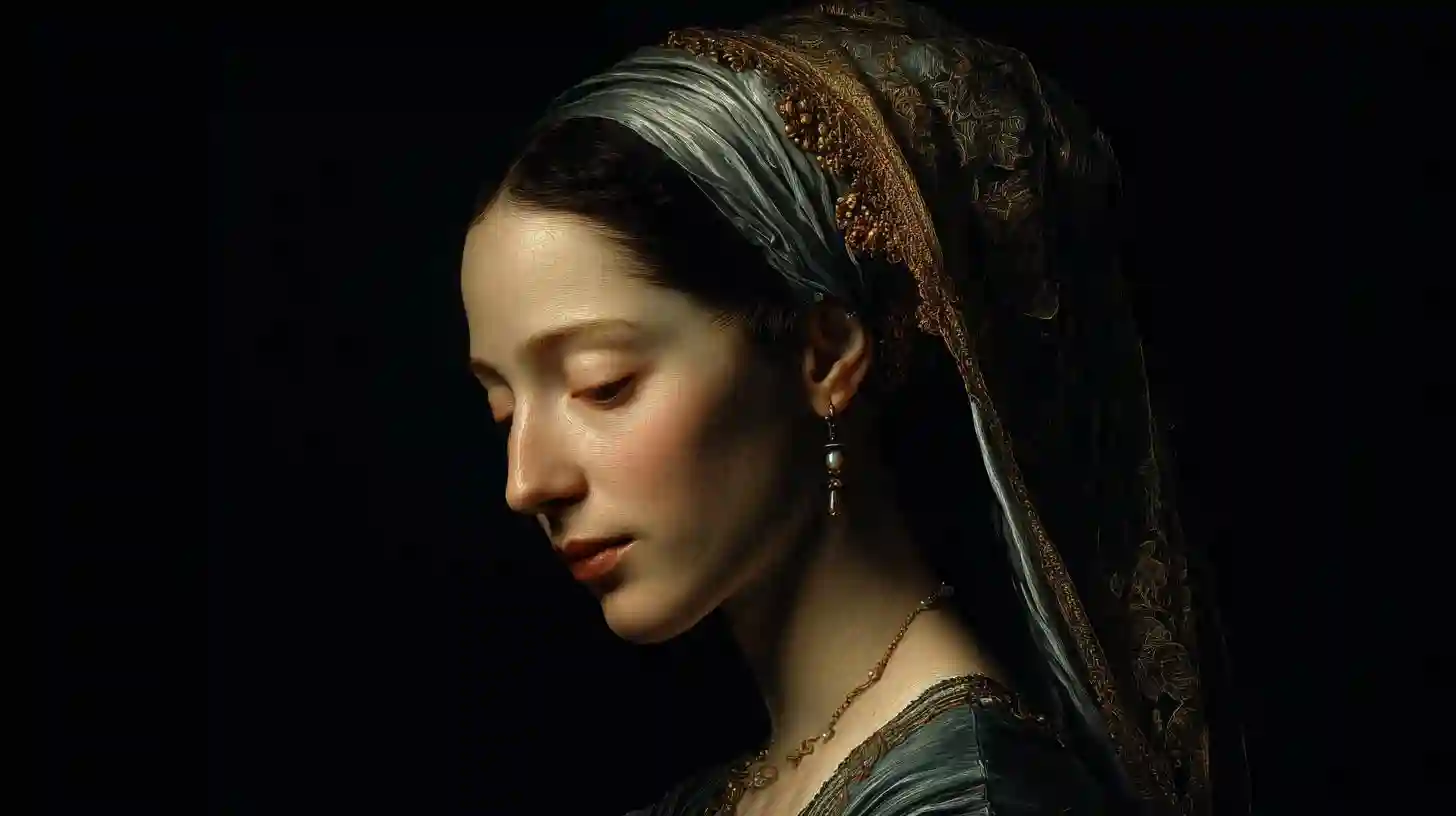
Throughout history, women have played a significant role in the art world, both as subjects and as creators. Their representation in art often reflects the social, cultural, and political climate of the time, offering a rich narrative about the evolving role of women in society. One of the most famous depictions of a woman in art is the "Mona Lisa" by Leonardo da Vinci. This iconic painting presents a woman with a serene, enigmatic expression that has fascinated viewers for centuries. While the identity of the woman remains uncertain, her portrayal represents the ideal of feminine beauty during the Renaissance, capturing a moment of tranquility and mystery. Another well-known figure in art history is the Virgin Mary, who has been a central figure in religious paintings throughout the centuries. Artists like Raphael, Michelangelo, and Botticelli used Mary’s image to convey notions of purity, maternal love, and divine grace. Her representation often serves to elevate the status of women in the religious context, symbolizing an idealized form of femininity. Moving into the modern era, artists like Frida Kahlo have used their own likeness to challenge traditional representations of women. Kahlo’s self-portraits, often filled with vibrant colors and surreal elements, explore themes of pain, identity, and the female experience. Her works break away from conventional depictions of beauty and instead embrace vulnerability and strength, offering a powerful, personal narrative of womanhood. Another revolutionary figure is Artemisia Gentileschi, a Baroque painter known for her dramatic depictions of biblical and mythological heroines. Gentileschi's paintings often depict women in positions of power or resilience, such as in her portrayal of Judith beheading Holofernes. Her work highlights the agency of women, contrasting with the more passive roles they were often assigned in art. As time progressed, the representation of women in art evolved, with movements like feminism in the 20th century further challenging traditional norms. Female artists began to take center stage, not just as subjects but also as creators of their own narratives. Artists like Georgia O'Keeffe, known for her large-scale depictions of flowers and natural forms, subverted traditional notions of femininity while asserting the value of women’s perspectives in the art world. Today, women continue to redefine their representation in art, creating works that reflect their identities, struggles, and triumphs in ways that transcend traditional boundaries.