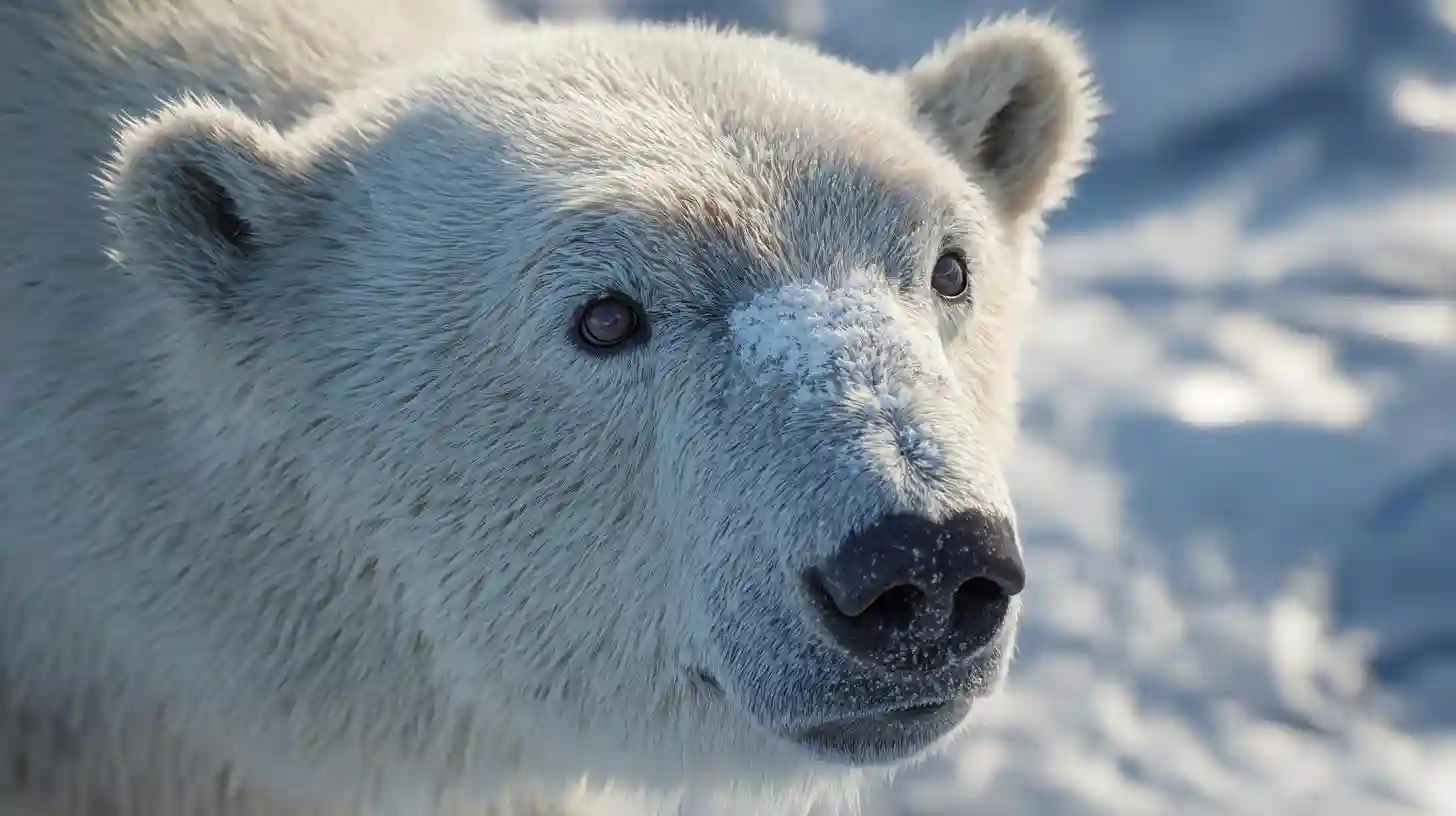
Polar bears, the apex predators of the Arctic, have a complex relationship with other wildlife in their cold, expansive habitat. These magnificent creatures primarily prey on seals, using their keen sense of smell to locate breathing holes in the ice. However, the interactions they have with other species can vary. Arctic foxes, for example, are often seen scavenging the remains of a polar bear's hunt. While the foxes typically avoid direct confrontation, they will take advantage of any leftover food. The polar bear, though, seems uninterested in the smaller animals around it, as its focus remains on catching seals. Yet, this dynamic can sometimes shift during times of scarcity, especially when the bear is more desperate for food and may try to chase smaller prey, like the foxes. On the other hand, walruses and polar bears share a different kind of interaction. While polar bears might target a vulnerable or young walrus, these large mammals often pose a significant challenge for the bears. Walruses, with their formidable tusks and size, can deter a polar bear from attempting an attack. There are even instances where polar bears and walruses might coexist in the same area, each species focusing on their respective sources of food without direct interference. Another important interaction in the Arctic involves the seals, the primary prey for polar bears. The bears' hunting strategies depend largely on the seal population, and this delicate balance means that the presence of seals often dictates the movements and behavior of polar bears. When seals are abundant, the bears can thrive, but when seal numbers dwindle, polar bears may travel further or resort to different hunting techniques, such as hunting for carcasses or searching along the shorelines for other food sources. Through all these interactions, the Arctic ecosystem maintains a fragile balance where each species plays a role in sustaining the others. Despite the apparent indifference between polar bears and other creatures, these interactions are essential to the survival and functioning of the Arctic environment.