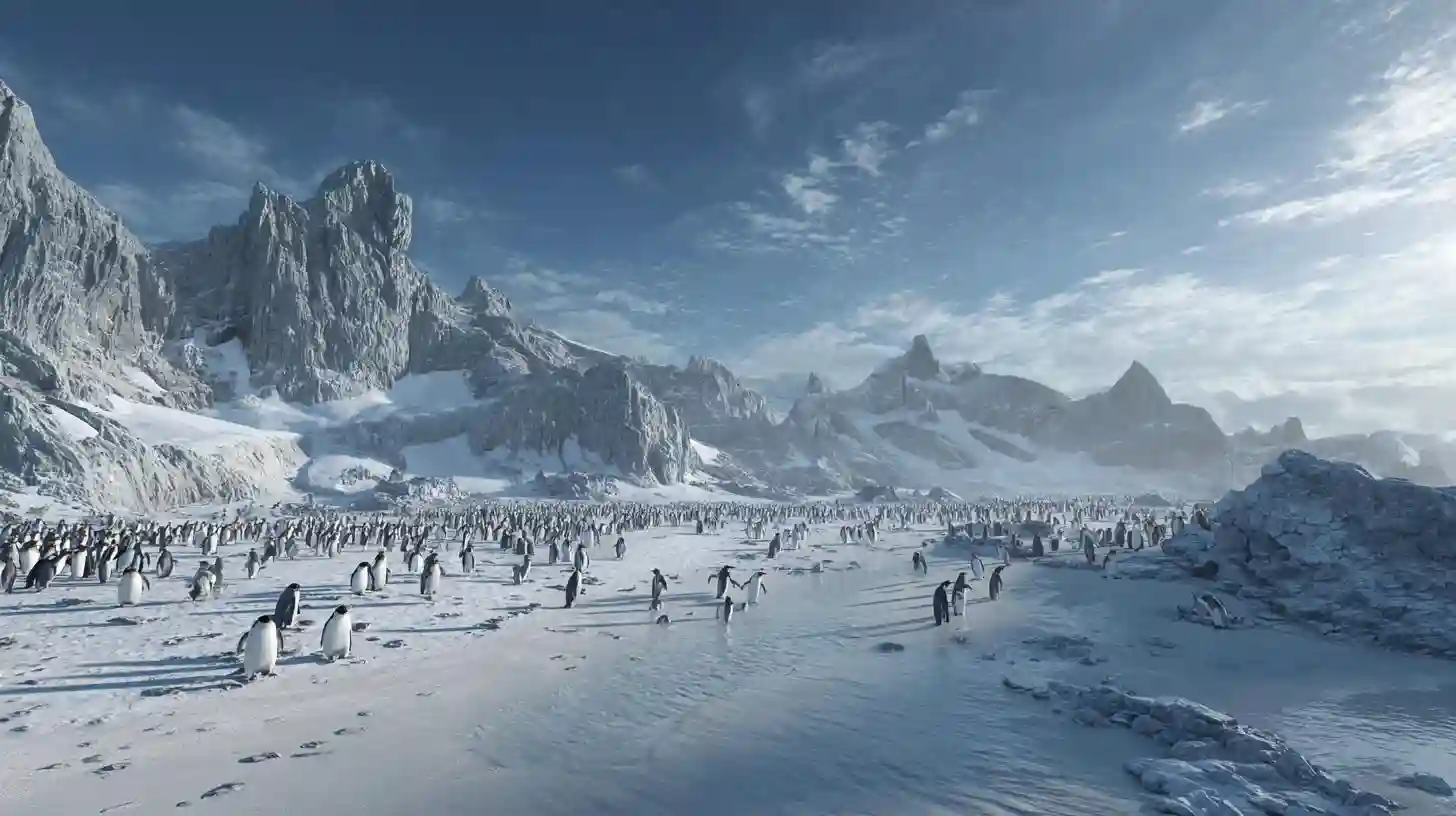
Sustainable tourism has emerged as a critical approach to balancing human curiosity with the preservation of fragile ecosystems, particularly in regions inhabited by penguins. These birds are highly sensitive to environmental changes, and their habitats are often located in remote and pristine areas where even minor disturbances can have lasting consequences. Tourism, when poorly managed, can lead to habitat degradation, disruption of breeding colonies, and increased stress levels in penguin populations. Trampling of nesting grounds, unregulated boat tours, and the presence of large numbers of visitors can disturb penguins' natural behaviors, affecting feeding routines and chick rearing.
Implementing sustainable tourism practices helps mitigate these negative impacts by establishing guidelines that prioritize the protection of wildlife and their environments. Strategies such as limiting the number of visitors, creating designated viewing areas, and enforcing strict rules on waste disposal reduce human intrusion into sensitive areas. Educational programs for tourists also play a crucial role by fostering awareness about penguins' ecological needs and encouraging respectful interaction. Eco-friendly infrastructure, including boardwalks and observation platforms, allows visitors to experience penguin habitats without directly interfering with nesting sites or foraging areas.
The presence of sustainable tourism initiatives often brings positive effects as well, including funding for conservation projects and scientific research. Revenue generated from responsible tourism can support habitat restoration, predator control, and long-term monitoring of penguin populations. Collaborative efforts between local communities, governments, and conservation organizations ensure that tourism benefits both wildlife and the people who rely on these areas for their livelihoods.
While penguins continue to face challenges from climate change and environmental pollution, sustainable tourism offers a model for reducing additional pressures caused by human activity. Protecting breeding colonies and minimizing habitat disruption ensures that these charismatic birds maintain healthy populations, allowing future generations to observe and learn from their unique behaviors. By aligning tourism with conservation goals, it is possible to enjoy the wonders of penguin habitats while safeguarding their long-term survival.