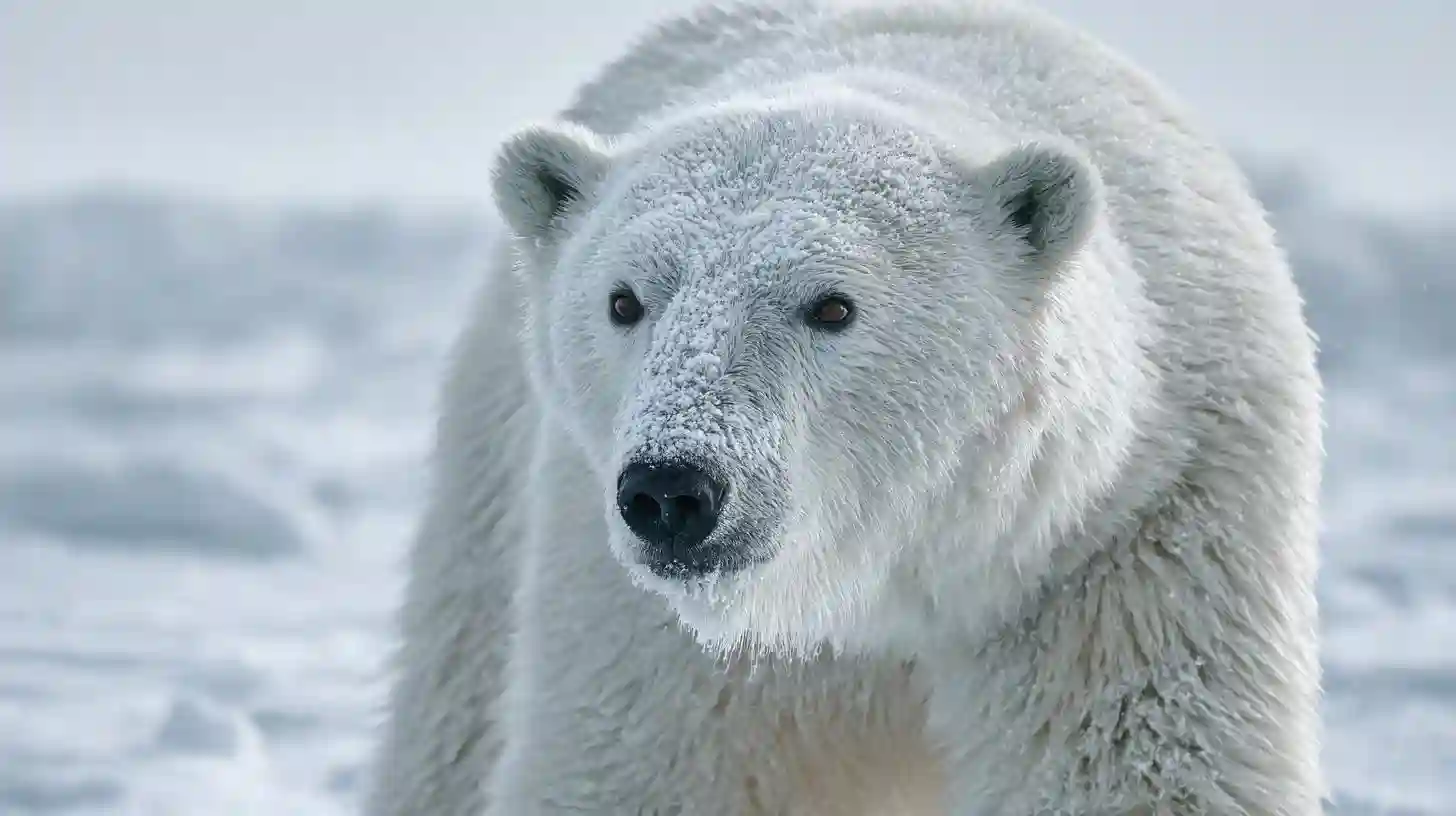
Advancements in technology have revolutionized the way scientists track and monitor wildlife, and polar bears are no exception. With the increasing threats posed by climate change to their habitat, the need for effective monitoring of these majestic creatures has never been more pressing. Researchers now employ a variety of innovative tools and methods to gather data on polar bear populations, behavior, and migration patterns. One of the most significant breakthroughs in wildlife monitoring has been the development of satellite collars. These collars, equipped with GPS technology, provide real-time data on the bears' locations and movements across vast, remote Arctic regions. This has drastically improved the ability of scientists to track the bears' movements over long distances, offering valuable insights into how they are adapting to environmental changes. Additionally, the use of drones has become an essential tool in polar bear research. Drones equipped with high-resolution cameras can fly over large expanses of land and sea, capturing aerial footage without disturbing the animals. This allows researchers to observe polar bears from a distance, gathering data on their behavior, health, and interactions with their environment. Camera traps placed along migration routes or near dens have also proven to be invaluable. These automated devices capture images or videos of polar bears, allowing scientists to monitor their activity while minimizing human impact. Another innovative technology is the use of environmental DNA (eDNA) analysis. By collecting water samples from lakes, rivers, or the ocean, scientists can detect traces of polar bear DNA, offering a non-invasive way to confirm the presence of the animals in a specific area. This method has proven especially useful in locations where direct observation is difficult or impossible due to harsh weather conditions. Acoustic sensors have also gained popularity, enabling researchers to listen for sounds made by polar bears, such as growls or vocalizations. These sensors are often deployed in areas where bears are known to frequent, providing another layer of information about their presence and behavior. The use of these technologies has expanded the ability to monitor polar bears in ways that were previously unimaginable, opening new doors for conservation efforts.