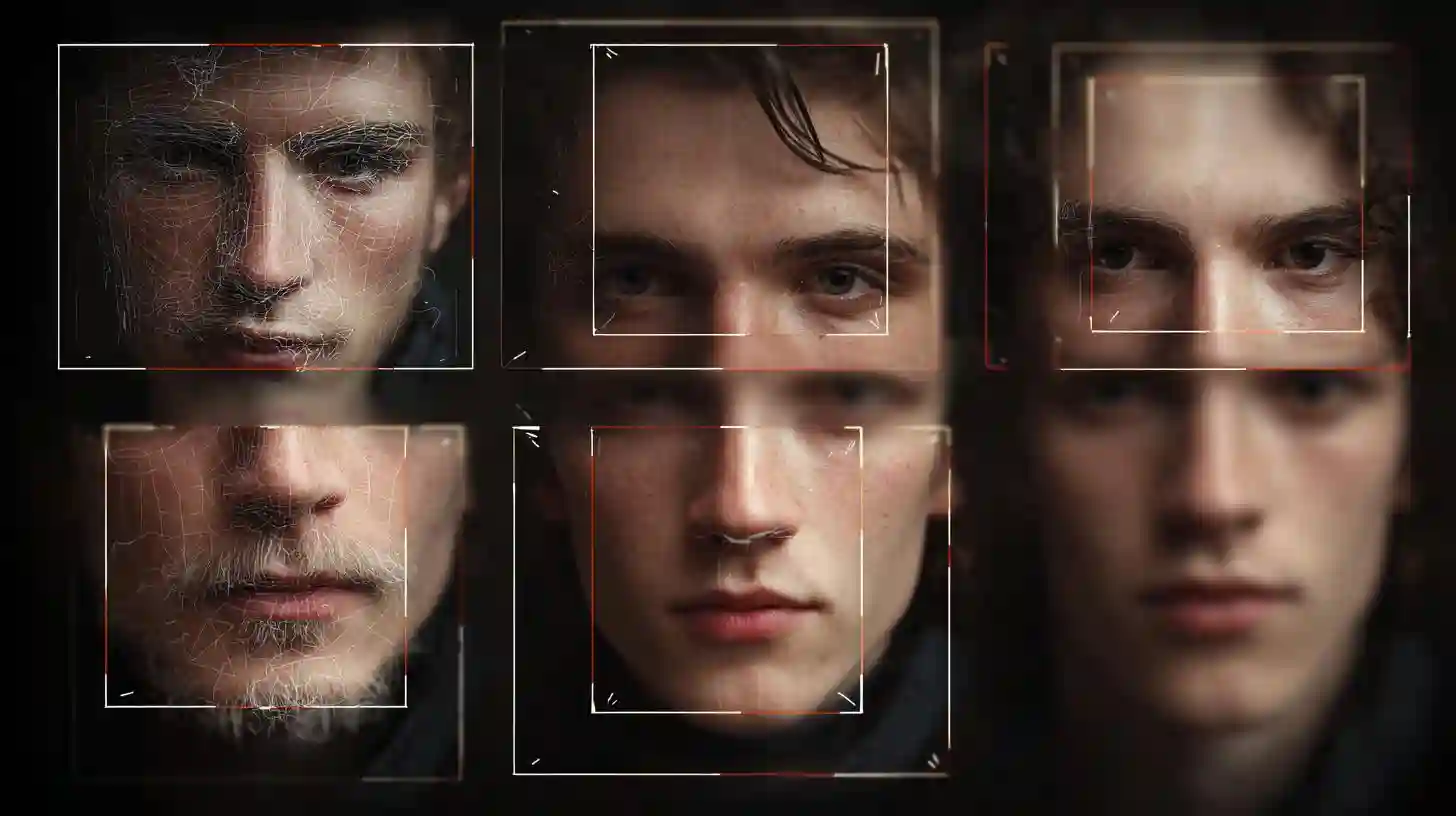
Facial features have been a significant subject in the world of art for centuries, with artists grappling with the balance between stylization and realism. Stylization in art refers to the alteration of natural facial features to evoke a particular emotion, theme, or aesthetic. It often simplifies or exaggerates certain aspects of a face to emphasize expression over accuracy. Artists may elongate eyes, distort noses, or exaggerate the curvature of lips to communicate specific feelings or artistic intention. This approach allows for more freedom and creativity, as it prioritizes the emotional and symbolic impact over literal representation. For example, the work of Pablo Picasso in his Cubist period demonstrates how stylization can transform faces into abstract forms, thereby allowing viewers to experience multiple perspectives in one artwork. On the other hand, realism strives to capture the face with precision and accuracy. It emphasizes meticulous detail and careful observation of light, shadow, and texture to reproduce the face as it appears in real life. Artists who favor realism, such as Leonardo da Vinci, focus on achieving a lifelike representation of their subjects, portraying every wrinkle, fold, and nuance of expression. The challenge of realism is rooted in its commitment to replicating the natural world, often requiring technical mastery and a deep understanding of anatomy. Whether through the deliberate abstraction of stylization or the fine-tuned observation of realism, artists have long been fascinated by the face as a window to the soul. Through both methods, the portrayal of facial features can express the full range of human experience, from the raw emotion captured in stylized brushstrokes to the intimate, serene quality of a realistic portrait. This interplay between stylization and realism not only reflects the diverse methods artists use to interpret the human face but also speaks to the broader conversation about the role of art in expressing both objective reality and subjective perception.