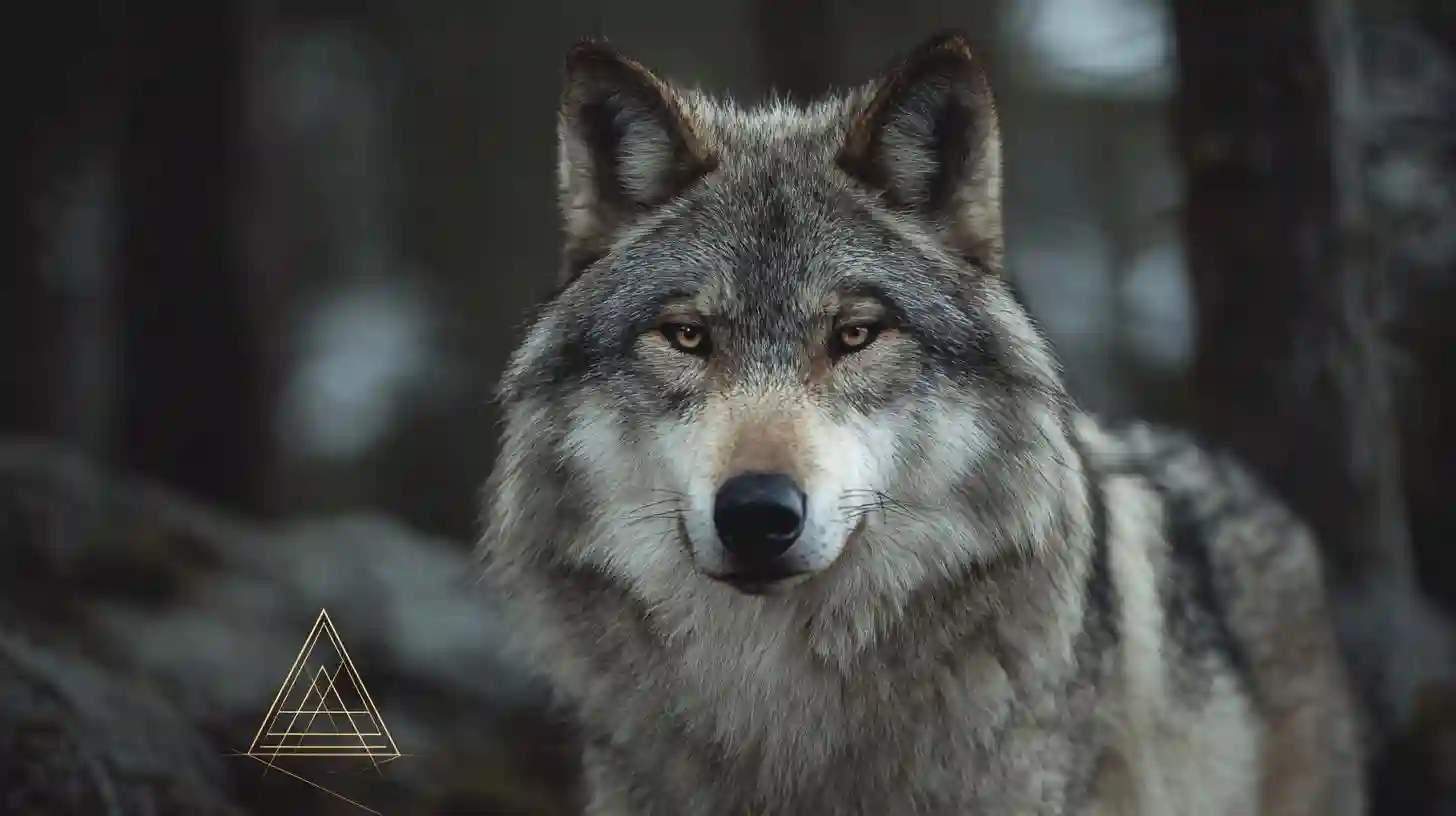
Gray wolves have held a profound and complex place in the mythology, folklore, and symbolism of cultures around the world, often embodying a duality of traits that reflect both fear and admiration. In Native American traditions, wolves are frequently revered as teachers and guides, symbolizing loyalty, perseverance, and the importance of social bonds. The wolf is seen as a creature that embodies instinct, intelligence, and the ability to navigate both physical and spiritual realms, often guiding individuals to understand their own inner strengths and the interconnectedness of all living things. Among some tribes, the wolf is also associated with protection and guidance for the community, and stories often portray wolves as wise and strategic animals capable of leading and mentoring.
In Norse mythology, gray wolves take on a more formidable and sometimes ominous role, representing chaos, strength, and the unpredictable forces of nature. The wolves Fenrir, Sköll, and Hati appear as central figures in tales of apocalypse and cosmic struggle, illustrating the immense power and inevitability of change. Despite their fearsome reputation, these wolves also symbolize courage and resilience, reflecting the idea that confronting challenges head-on is necessary for survival and growth. The duality in their symbolism captures the balance between destructive and protective forces in the natural and spiritual worlds.
European folklore often portrays wolves as cunning and dangerous, particularly in stories such as fairy tales and cautionary tales. The wolf becomes a representation of danger lurking outside the safety of human civilization, challenging characters to confront fears or navigate moral dilemmas. Yet even in these tales, the wolf’s intelligence and adaptability are respected qualities, demonstrating the admiration humans have for their instinctual skill and strategic thinking.
In East Asian cultures, wolves are sometimes regarded as guardians of the land and symbols of perseverance and loyalty. In certain Chinese and Mongolian legends, wolves are praised for their tenacity, family bonds, and ability to survive harsh conditions, qualities that humans are encouraged to emulate. Across these diverse cultural perspectives, gray wolves consistently evoke a mixture of respect, fear, and admiration, serving as potent symbols that reflect human values, challenges, and our relationship with the natural world.