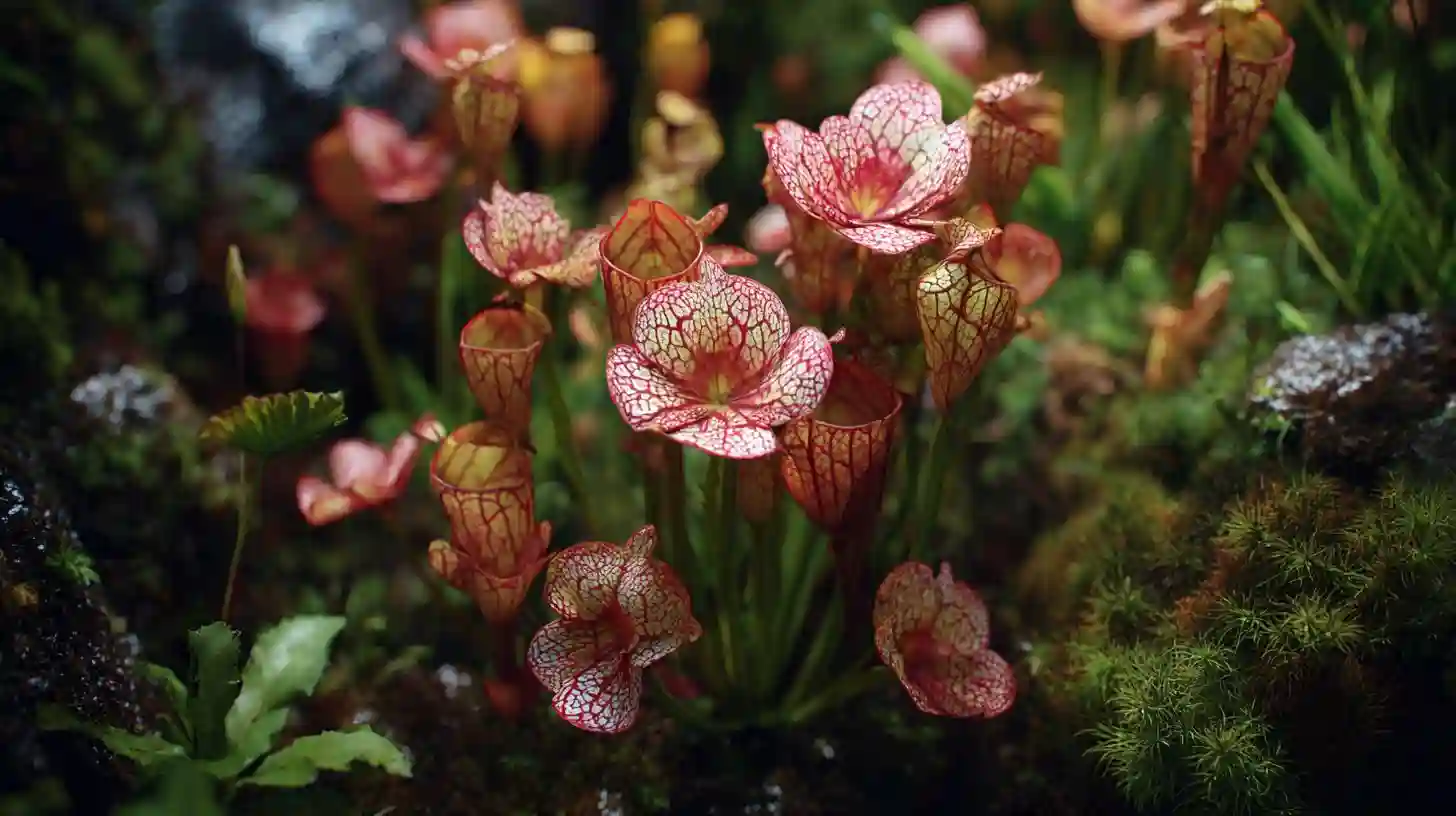
Carnivorous plants have fascinated horticulturists and plant enthusiasts for centuries due to their unique adaptations and ability to trap and digest prey. These plants, which include species such as Venus flytraps, pitcher plants, and sundews, have evolved specialized mechanisms to capture insects and other small animals as a way to supplement their nutrient intake, particularly in nutrient-poor soils. While they have become a popular subject of cultivation and study, growing and maintaining carnivorous plants in horticulture presents several challenges. One of the primary difficulties is providing the right environmental conditions. Carnivorous plants often require specific humidity levels, soil types, and water quality, making them less adaptable to the general gardening conditions that many other plants thrive in. For instance, these plants typically need soil that is low in nutrients and slightly acidic, conditions that are the opposite of what most common garden plants prefer. Furthermore, water quality is a critical factor, as carnivorous plants are sensitive to minerals found in tap water. Rainwater or distilled water is often necessary for their survival. Another challenge is the need for proper feeding. While these plants are capable of capturing and digesting prey in their natural habitat, in a horticultural setting, they may not receive enough insects to sustain themselves. As a result, some gardeners must manually supply food to these plants, which can be time-consuming and require careful consideration of their dietary needs. However, the cultivation of carnivorous plants offers exciting opportunities as well. They attract attention from horticulturists, researchers, and enthusiasts, contributing to the expansion of knowledge in plant physiology, ecology, and evolution. These plants are also increasingly being incorporated into landscape designs, particularly in areas where traditional plants struggle to grow. They can add an intriguing aesthetic to gardens and provide a natural form of pest control. Furthermore, the unique appeal of carnivorous plants has made them popular in the horticultural market, encouraging conservation efforts for some endangered species. With the right techniques and care, the cultivation of carnivorous plants offers gardeners the opportunity to work with a fascinating group of plants that present both challenges and rewards.