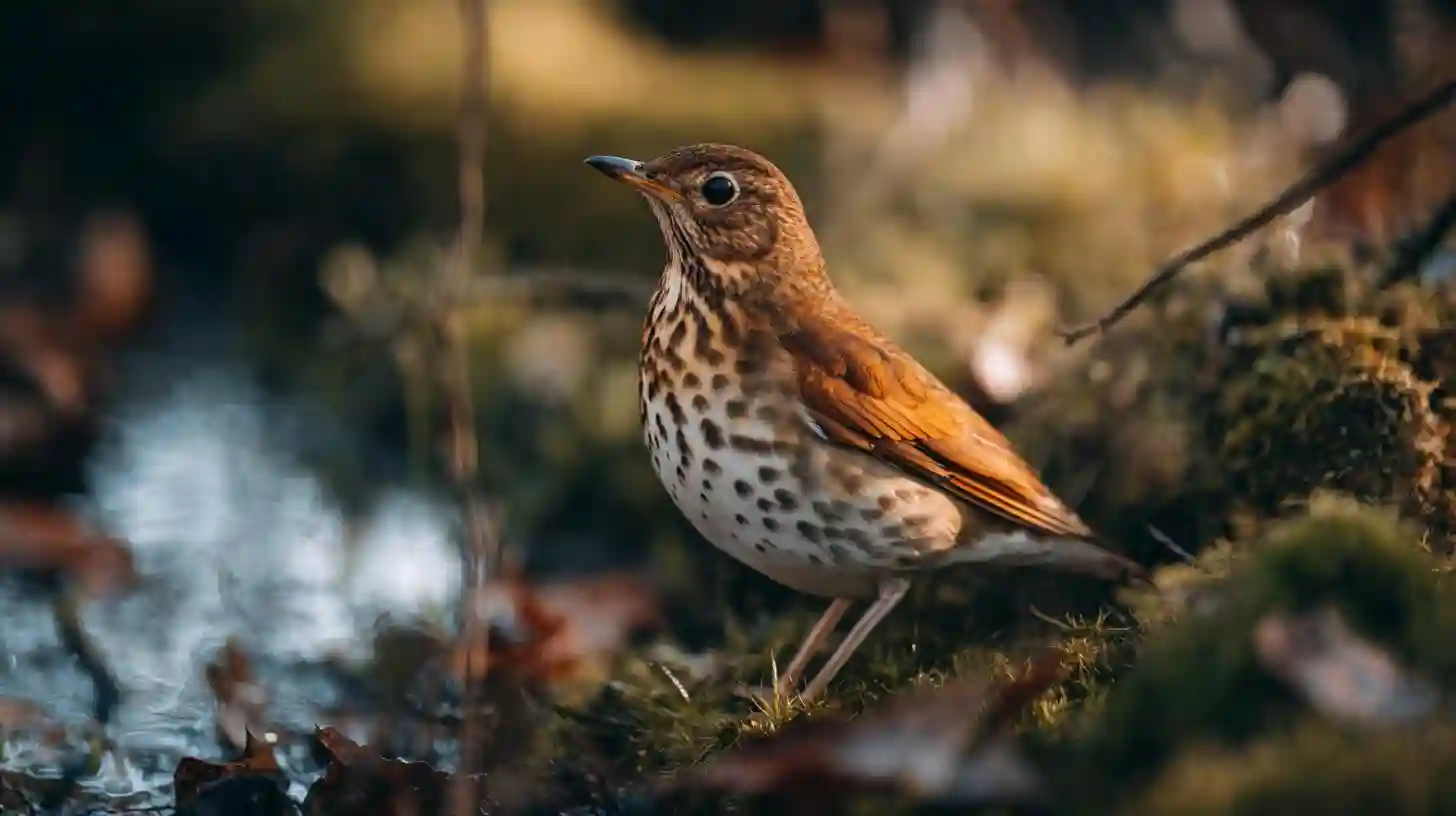
The decline of thrush populations has become a significant concern for conservationists, largely attributed to various environmental factors that disrupt their natural habitats. Thrushes, once abundant in many regions, are now experiencing a troubling decrease in numbers due to habitat loss, climate change, and pollution. These factors have altered the delicate ecosystems thrushes rely on, making it increasingly difficult for them to thrive.
Habitat destruction is one of the most prominent threats to thrush populations. Urban expansion, agricultural practices, and deforestation have led to the loss of critical breeding and foraging grounds. As forests are cleared and wetlands drained, thrushes lose the dense, shrub-filled areas they need for shelter and food. This destruction leaves them vulnerable to predators and reduces their chances of survival, especially during harsh weather conditions or the breeding season.
Climate change also plays a crucial role in the decline of thrush populations. As global temperatures rise, weather patterns become more unpredictable, which can disrupt the timing of food availability for thrushes. For instance, early springs or late frosts may lead to a mismatch between the hatching of thrush chicks and the availability of insects, their primary food source. Warmer temperatures can also encourage the spread of diseases and pests, which further weaken thrush populations.
Pollution, particularly the contamination of waterways and soil, has had a detrimental effect on the health of thrushes. Chemical pollutants, such as pesticides and fertilizers, can poison the insects thrushes feed on, leading to malnutrition or death. Heavy metals and other toxins can accumulate in their bodies, weakening their immune systems and making them more susceptible to disease.
All these environmental factors are interconnected and collectively contribute to the steady decline of thrush populations. Their decline serves as a stark reminder of how fragile natural ecosystems are and how human activity continues to have profound effects on the planet's biodiversity. The loss of thrushes signals broader ecological imbalances that require immediate attention and action to protect the remaining species and restore their habitats.