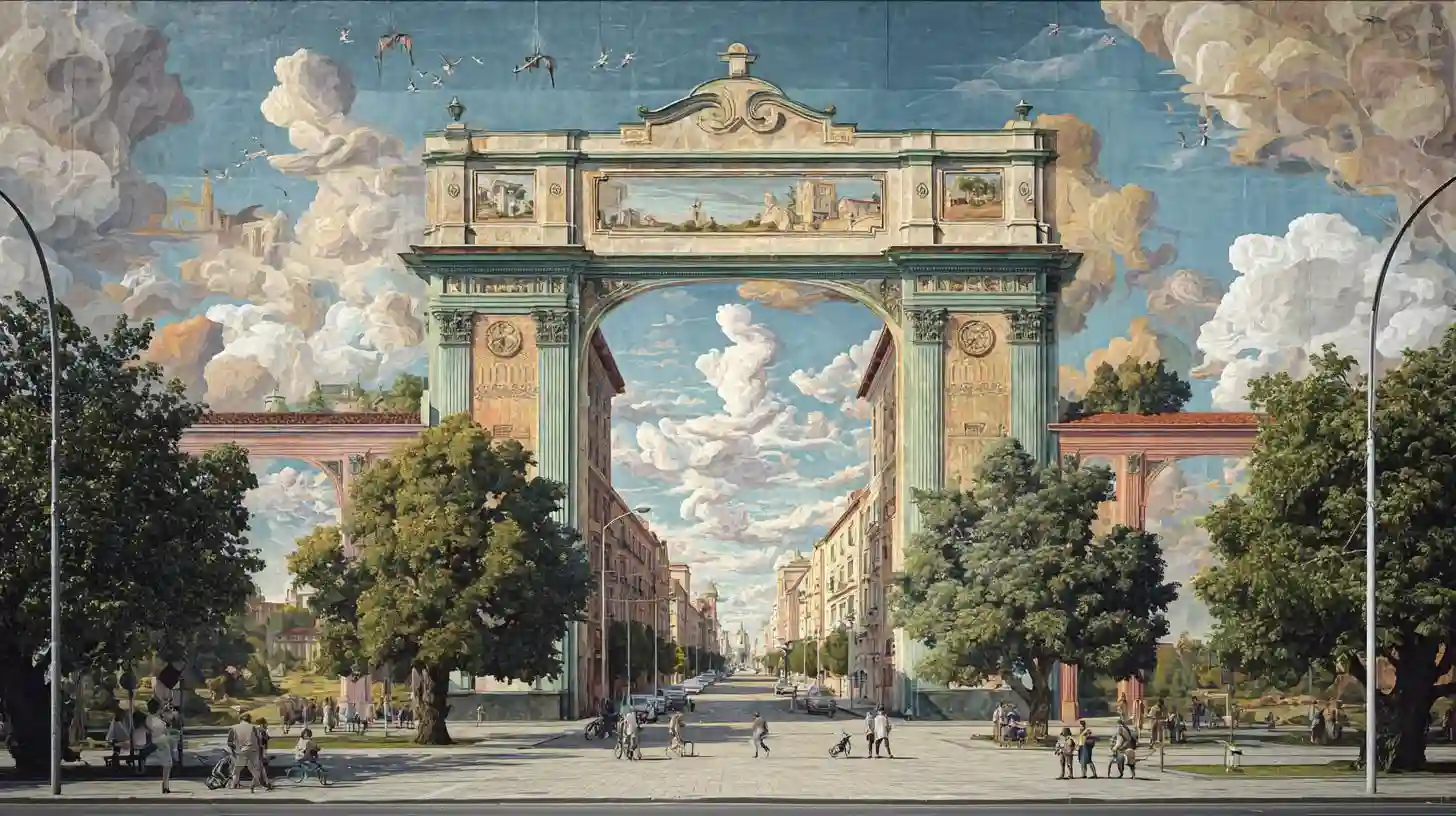
Creating large-scale murals involves a combination of artistic skill, careful planning, and technical execution. The process begins with a clear vision, where artists or teams must envision how the final product will look in the space it occupies. This vision guides the overall composition and ensures that the design integrates well with the architecture and environment. One of the first steps is to develop a detailed sketch, which serves as the foundation for the mural. This sketch is often enlarged through a grid system or projection techniques to match the scale of the wall.
The next stage involves choosing the right materials. Murals can be painted with various mediums, such as acrylics, oils, or specialized wall paints, depending on the desired effect and the type of surface being worked on. It is essential to consider the durability of these materials, as large murals are exposed to various weather conditions or environmental factors, especially those located outdoors. Additionally, the texture of the wall itself may require preparation, such as priming or smoothing, to ensure that the paint adheres properly and the mural lasts over time.
Once the materials are selected and the surface is prepared, the artist begins the actual painting process. Artists may use brushes, rollers, or even spray paint for larger areas, with intricate details being added with finer brushes or other tools. The mural is usually painted in layers, with each layer requiring time to dry before the next is added. This method allows the artist to build up depth and achieve a polished final appearance. During this stage, time management becomes crucial, as it may take weeks or even months to complete a large mural.
Throughout the execution, it is important to step back frequently and evaluate the mural’s progress. Artists may need to make adjustments as they go, ensuring that the composition remains balanced and the colors interact well. Additionally, lighting can play a significant role in how the mural is perceived, so artists must consider how the space will be illuminated once the mural is finished.
The final touches of a mural often include sealing it with a protective coating to guard against weather damage or fading. These coatings help preserve the colors and integrity of the artwork for many years. Creating large-scale murals is a complex but rewarding process that requires both creative vision and technical expertise to bring a piece of art to life on a monumental scale.