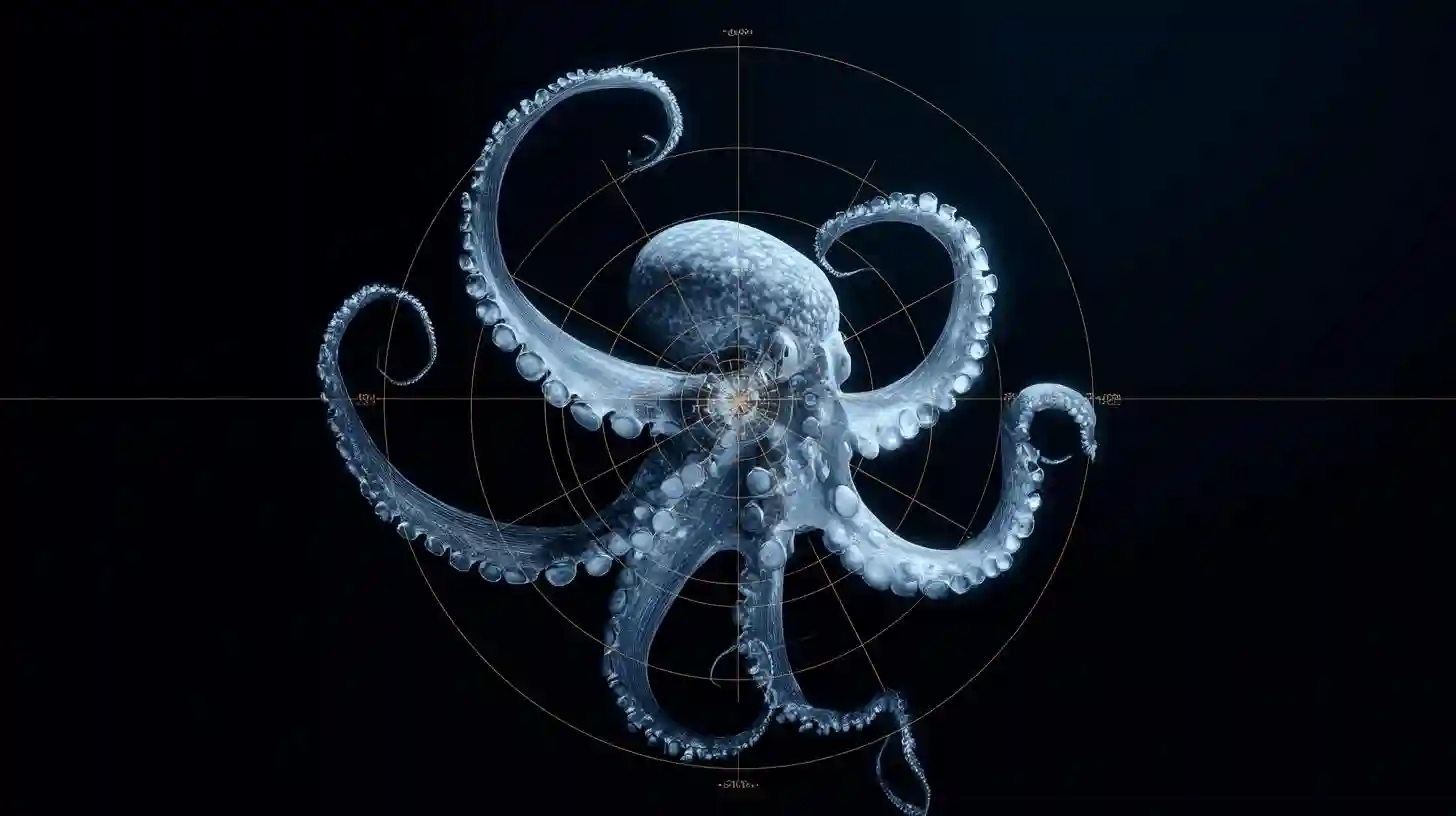
Octopuses are among the most fascinating creatures in the animal kingdom, not only because of their physical abilities but also due to their remarkable intelligence and problem-solving skills. One of the most striking aspects of their behavior is their use of tools, a trait long considered a hallmark of human intelligence. In the wild, octopuses have been observed using various objects from their environment to help them with tasks ranging from hunting to protection. This behavior challenges the traditional view that tool use is exclusive to humans and a few other species such as certain primates and birds. A well-documented example of tool use in octopuses involves the coconut shells. Some octopuses have been seen collecting coconut shells and carrying them to use as shelters or even as protective armor. They can fit inside these shells, effectively using them to shield themselves from predators or to hide from prey. This behavior suggests not only an understanding of the object's function but also an awareness of how to use it to their advantage. In addition to coconut shells, octopuses have also been observed using other objects like rocks and discarded shells. These tools are employed to create a more secure living environment, demonstrating the octopus's ability to adapt its environment for its needs. Their ability to manipulate objects in such a way indicates a level of cognitive flexibility often seen in more advanced animals. The fact that octopuses can make decisions about which objects are useful, how to transport them, and how to employ them, highlights their innovative and adaptable nature. Scientists have long studied octopuses for their advanced problem-solving skills, but their tool use adds a fascinating layer to their intelligence. While many animals exhibit the use of tools to some degree, the octopus stands out due to the diversity of materials it uses and the complexity of its behavior. It is clear that tool use in octopuses is not just a random or instinctual action but a learned and purposeful behavior that illustrates their ability to interact with the world in a highly intelligent way. Their use of tools opens up new avenues for studying animal cognition and the evolution of intelligence in non-human species.