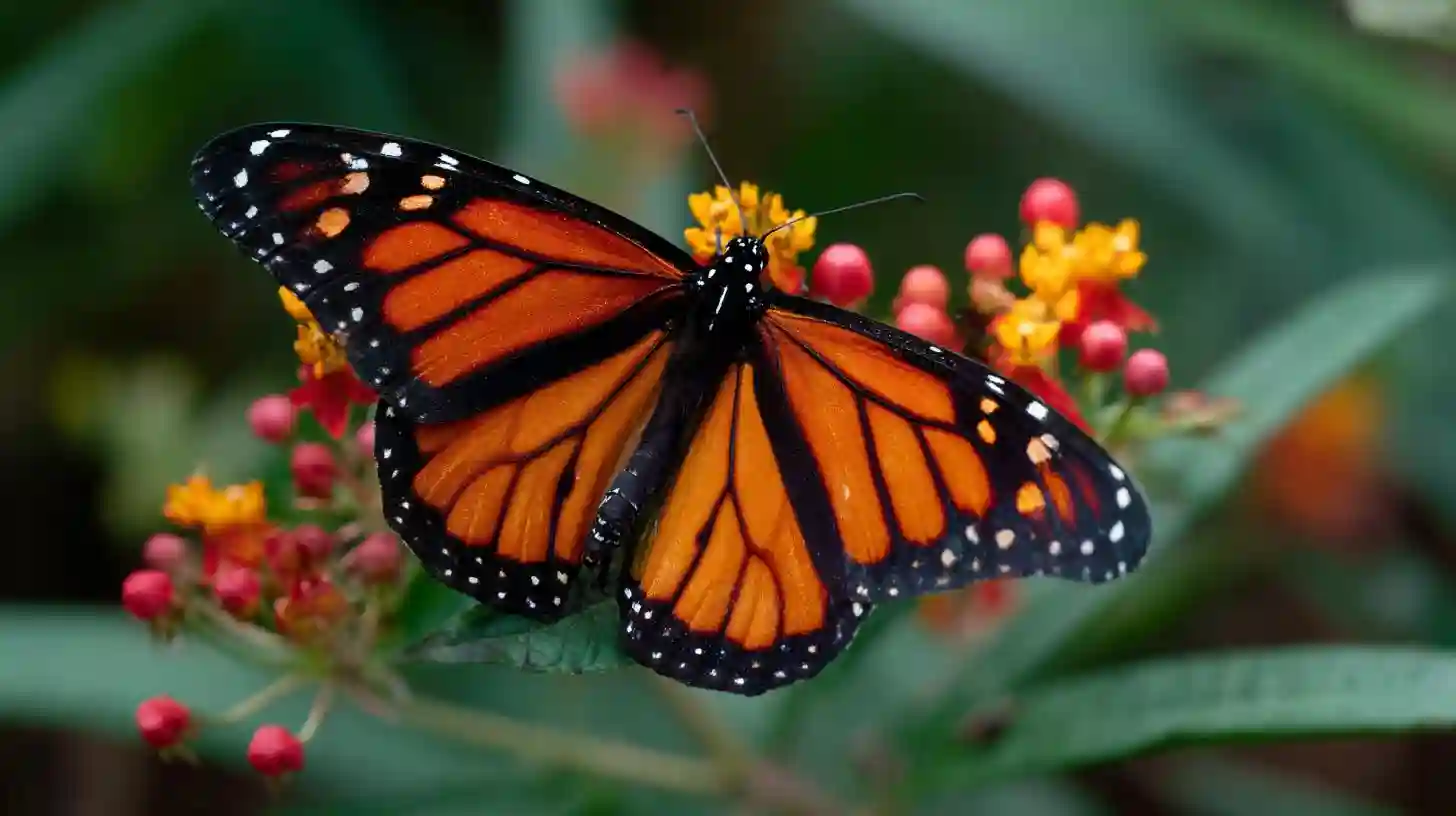
Climate change has had a significant impact on monarch butterfly populations, disrupting their migration patterns, breeding cycles, and the availability of food sources. These iconic insects are known for their incredible long-distance migration, traveling thousands of miles from Canada and the United States to the forests of central Mexico. However, as temperatures rise and weather patterns become more erratic, monarch butterflies are finding it harder to complete their migrations successfully. Unpredictable weather events, such as early frosts, heavy storms, or prolonged droughts, can destroy critical habitats along their migratory routes, causing the butterflies to face greater challenges in finding suitable places to rest and feed. Additionally, the warming climate is affecting the timing of plant growth. Milkweed, the primary food source for monarch larvae, relies on specific temperature conditions to grow and thrive. Changes in temperature patterns can lead to a mismatch between the emergence of milkweed and the arrival of monarchs, leaving the larvae with insufficient food during critical stages of their development. Furthermore, climate change has altered the availability of nectar plants, which are essential for adult butterflies during their migration. Warmer temperatures and unpredictable rainfall patterns can impact the flowering times of these plants, further limiting food resources for monarchs. The rising temperatures are also affecting the overwintering sites of monarch butterflies in Mexico. These butterflies cluster in forests where cooler temperatures provide the perfect conditions for survival. However, with the changing climate, some of these forests are becoming too warm, reducing the butterflies' chances of surviving the winter months. This combination of factors—disrupted migration, food scarcity, and unsuitable overwintering conditions—has led to a decline in monarch butterfly populations. The effects of climate change are making it increasingly difficult for these butterflies to maintain their complex life cycle, ultimately threatening their survival in the wild. The monarch butterfly's plight is a stark reminder of how climate change can have far-reaching consequences on biodiversity, highlighting the need for urgent action to protect ecosystems and species that are most vulnerable.