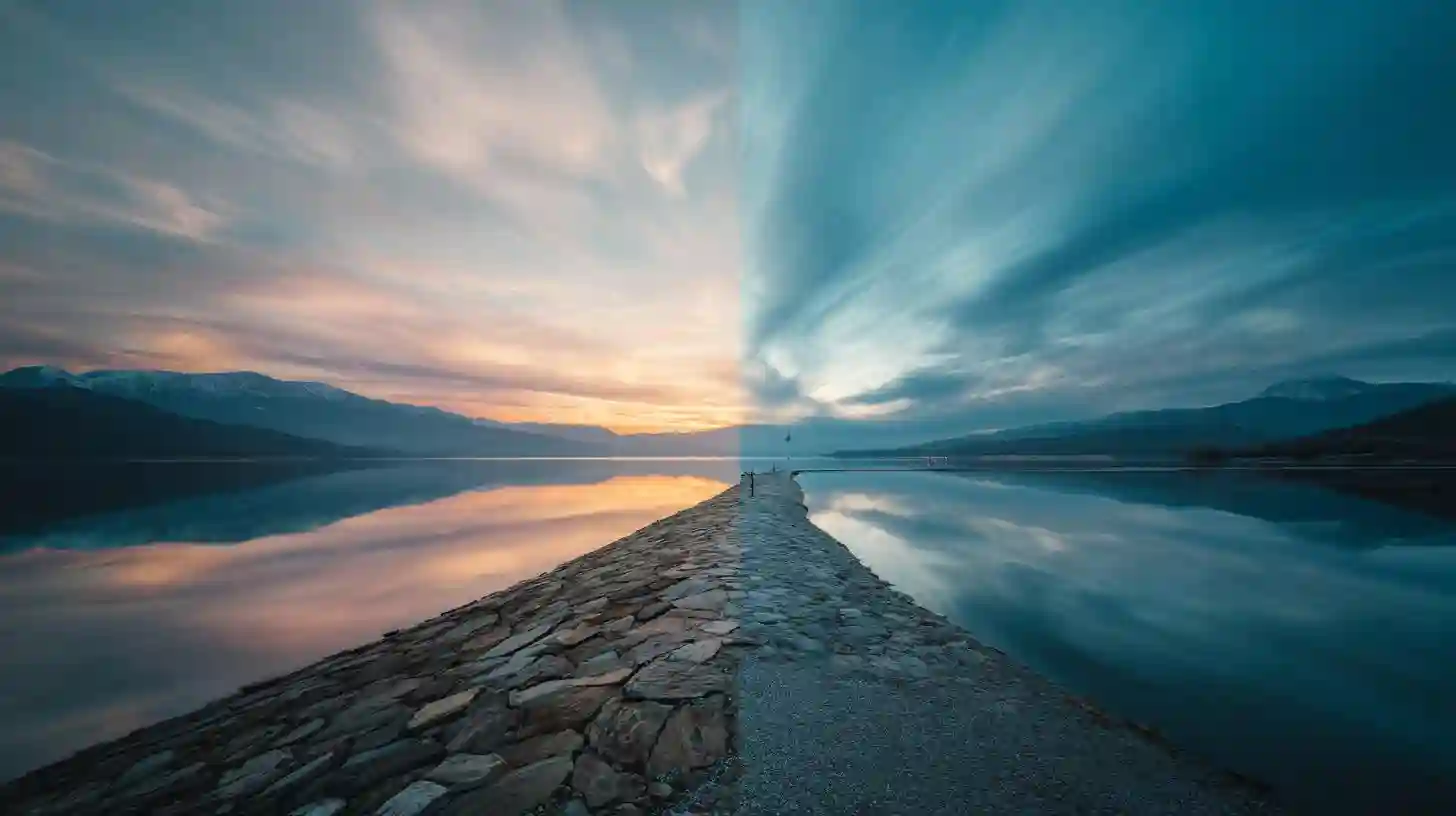
The weather and time of day play a crucial role in the outcome of long exposure photography. One of the key factors in this type of photography is how light behaves over an extended period, and different weather conditions affect how that light is captured. On clear, sunny days, long exposure photos can capture the movement of clouds, the streaks of passing vehicles, or even the waves in an ocean. The bright sunlight can enhance contrasts, making shadows deeper and highlights more defined, but it also presents a challenge in terms of overexposure. Photographers must carefully manage their settings to avoid burning out the image or losing details in bright areas. On the other hand, cloudy or overcast weather often produces a more diffuse light, which can soften the appearance of an image and result in smoother, more ethereal effects. This type of weather is particularly ideal for capturing subjects like waterfalls, rivers, or coastal scenes, where the motion of water becomes more pronounced and silky in appearance. The time of day influences long exposure photos in equally dramatic ways. During the day, the brightness of natural light requires the photographer to use filters or smaller apertures to manage the exposure time and avoid too much light entering the camera. However, as the day transitions into dusk or night, the scene begins to change completely. The diminishing light leads to a gradual shift in mood, with long exposure photos taken at night often creating stunning effects, such as light trails from cars or city lights illuminating the landscape. The twilight hours just before sunset or after sunrise are especially magical for long exposure photography, as they provide soft, warm light that adds a beautiful glow to the scene, making it perfect for capturing the delicate balance between natural and artificial light sources. Additionally, the stillness of the environment during these hours can create striking contrasts in images, as moving objects are captured in sharp focus while the rest of the scene remains calm and smooth.