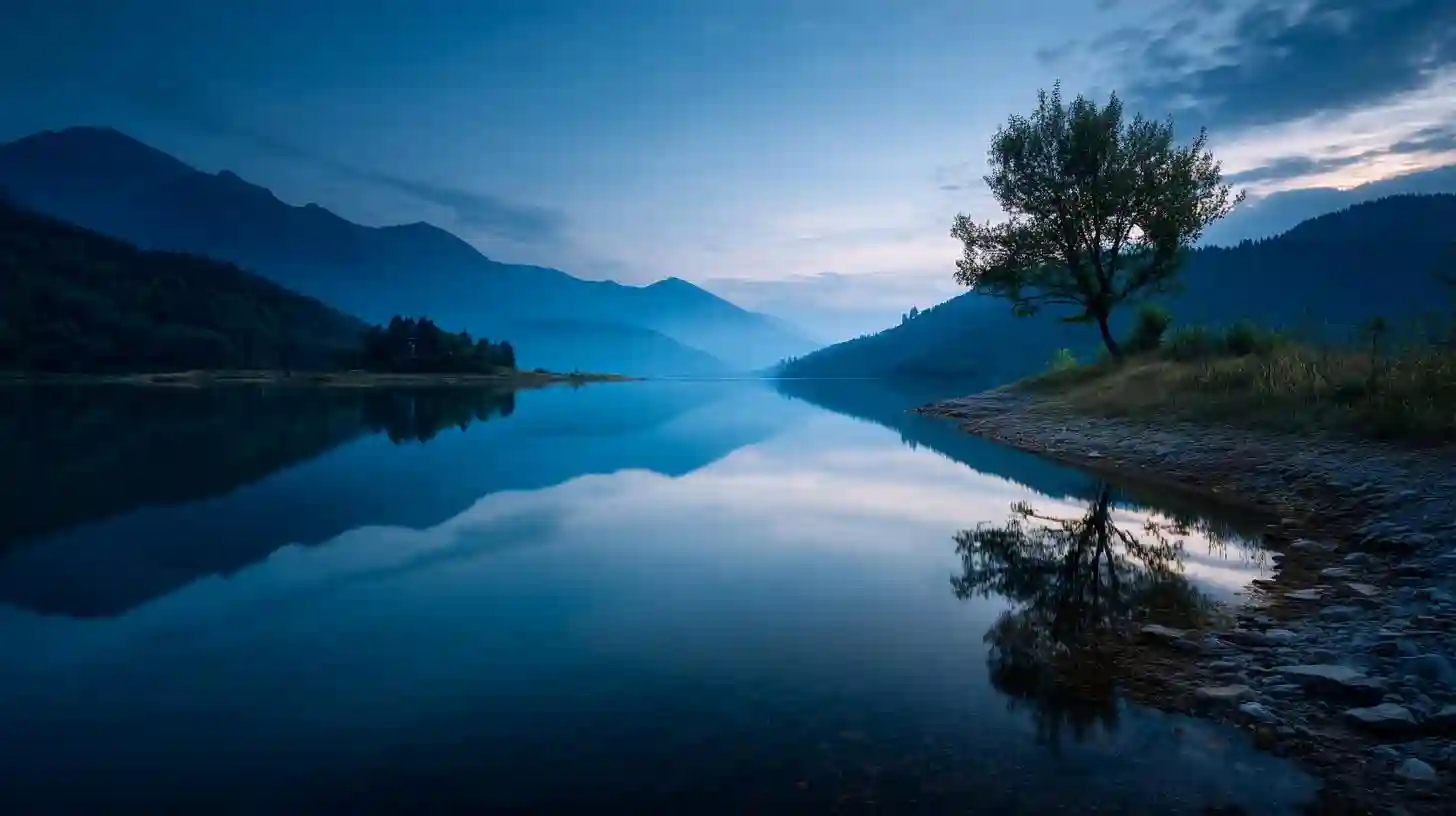
When embarking on landscape photography, selecting the right gear is crucial for capturing the natural beauty of your surroundings. The type of camera you use will greatly influence the quality of your images, and while professional cameras often produce better results, modern smartphones with powerful sensors can also deliver impressive landscape shots. However, for the best results, a digital single-lens reflex (DSLR) or mirrorless camera will provide more control over your exposure settings and allow for interchangeable lenses, offering flexibility for different shooting conditions.
A wide-angle lens is essential for landscape photography as it enables you to capture expansive scenes, bringing vast skies and sweeping valleys into your frame. Lenses in the range of 14mm to 24mm are ideal, as they allow you to photograph large landscapes while maintaining sharpness throughout the image. It's also important to choose lenses that offer excellent sharpness and minimal distortion to maintain the natural integrity of the landscape.
The tripod is an indispensable piece of gear for landscape photography. This stable support allows you to take long exposure shots, especially in low-light conditions, without introducing camera shake. A sturdy tripod is essential for capturing details in landscapes, such as the movement of water or the soft blur of clouds. Look for tripods that are lightweight enough to carry but strong enough to withstand windy conditions, which are common in many outdoor locations.
Filters are another important tool to help control exposure and enhance the colors in your photos. A polarizing filter can reduce glare from reflective surfaces like water or wet rocks, while also enhancing the blue of the sky and the green of foliage. Graduated neutral density filters are useful when photographing landscapes with a significant difference in brightness between the sky and the ground, helping balance the exposure across the image.
Carrying extra batteries and memory cards is a smart practice as landscape photography often involves long shooting sessions in remote areas. Cold temperatures or extended use can drain batteries quickly, so having backups ensures that you won’t miss important moments. Additionally, large landscapes can require a lot of storage space, and running out of memory can cut your session short.
Lastly, think about the weather conditions you may encounter during your shoot. Weather-resistant camera bodies and lenses can protect your gear from rain, snow, or dust, allowing you to work in a variety of conditions without worrying about damage. Investing in a camera bag that fits all your gear and offers adequate protection will also make carrying your equipment more comfortable and organized as you explore different landscapes.
Choosing the right gear for landscape photography is all about preparing for the elements and understanding the demands of each scene. Whether you're capturing sweeping mountain ranges, rolling fields, or coastal views, the right equipment will help you create stunning images that reflect the beauty of the natural world.