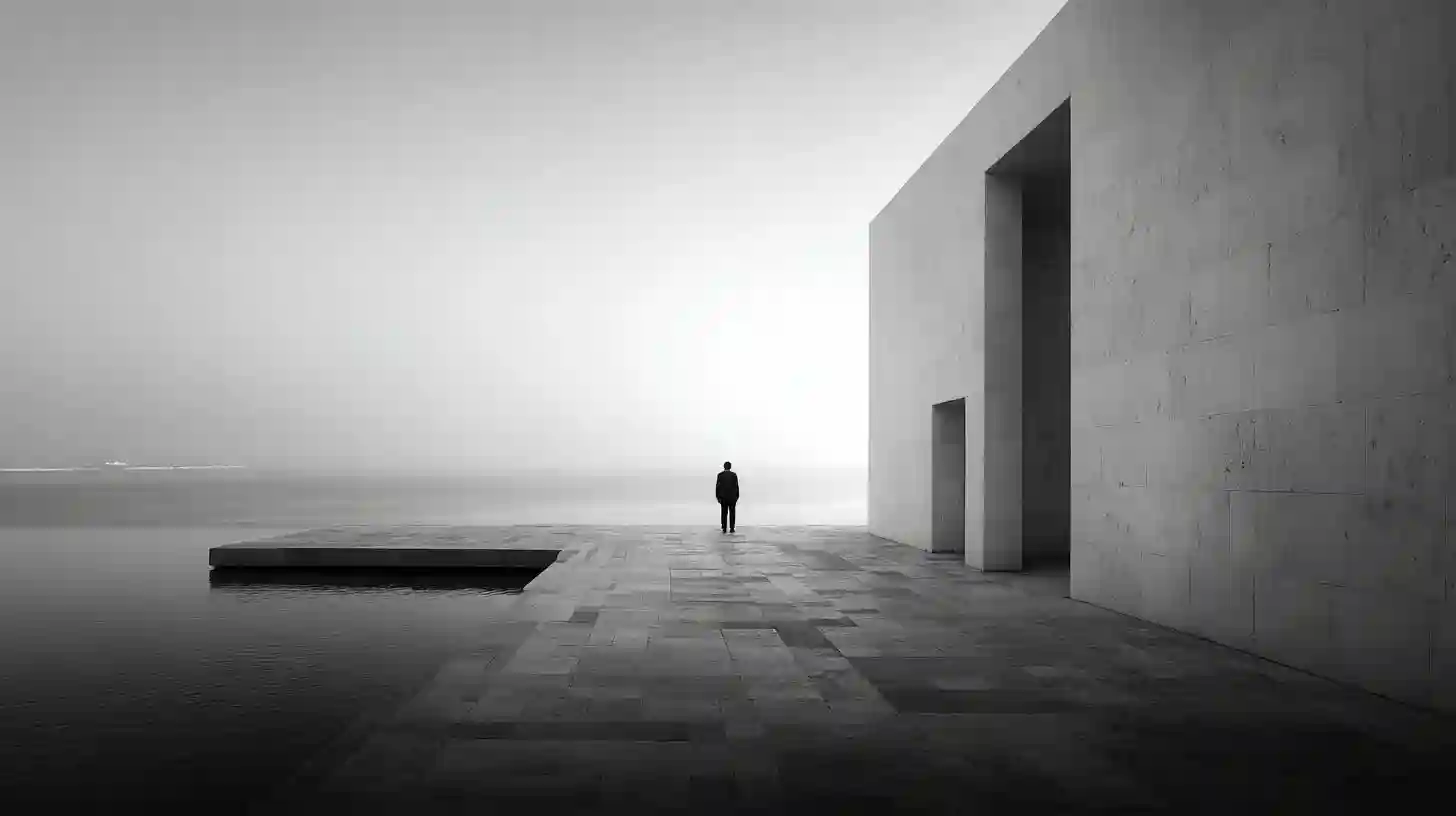
High key and low key lighting are two essential techniques in black and white photography that create distinct moods and bring different visual dynamics to images. High key lighting, characterized by bright, even lighting with minimal shadows, is often used to convey a sense of lightness, airiness, and clarity. It typically involves a dominant use of white or light tones, with soft shadows or no shadows at all. This style is especially effective in portraits where the goal is to create an optimistic or soft feel. In black and white photography, this approach enhances the contrast between lighter grays and whites, allowing for a clean, crisp appearance that highlights the subject without the distraction of dark or harsh shadows.
On the other hand, low key lighting embraces the opposite approach, focusing on darkness and shadows to create a mood of mystery, drama, or intensity. This lighting style involves using a single light source to illuminate the subject while allowing the rest of the scene to remain in shadows. The contrast between deep blacks and midtones in black and white images results in a striking visual that often emphasizes texture, form, and emotion. Low key lighting can transform an otherwise simple scene into one filled with complexity and mood, making it ideal for dramatic or artistic compositions where the play of light and shadow adds depth and tension.
Both high key and low key lighting allow photographers to manipulate the mood and emotion conveyed in a photograph. High key lighting can make subjects appear more accessible, bright, and ethereal, while low key lighting can evoke feelings of darkness, suspense, or even introspection. The decision to use one over the other depends on the desired outcome, as each style offers unique opportunities to shape the narrative and impact of the photograph. Whether in portraiture, still life, or any other genre, these lighting techniques play a significant role in how a subject is presented, seen, and interpreted in black and white photography.