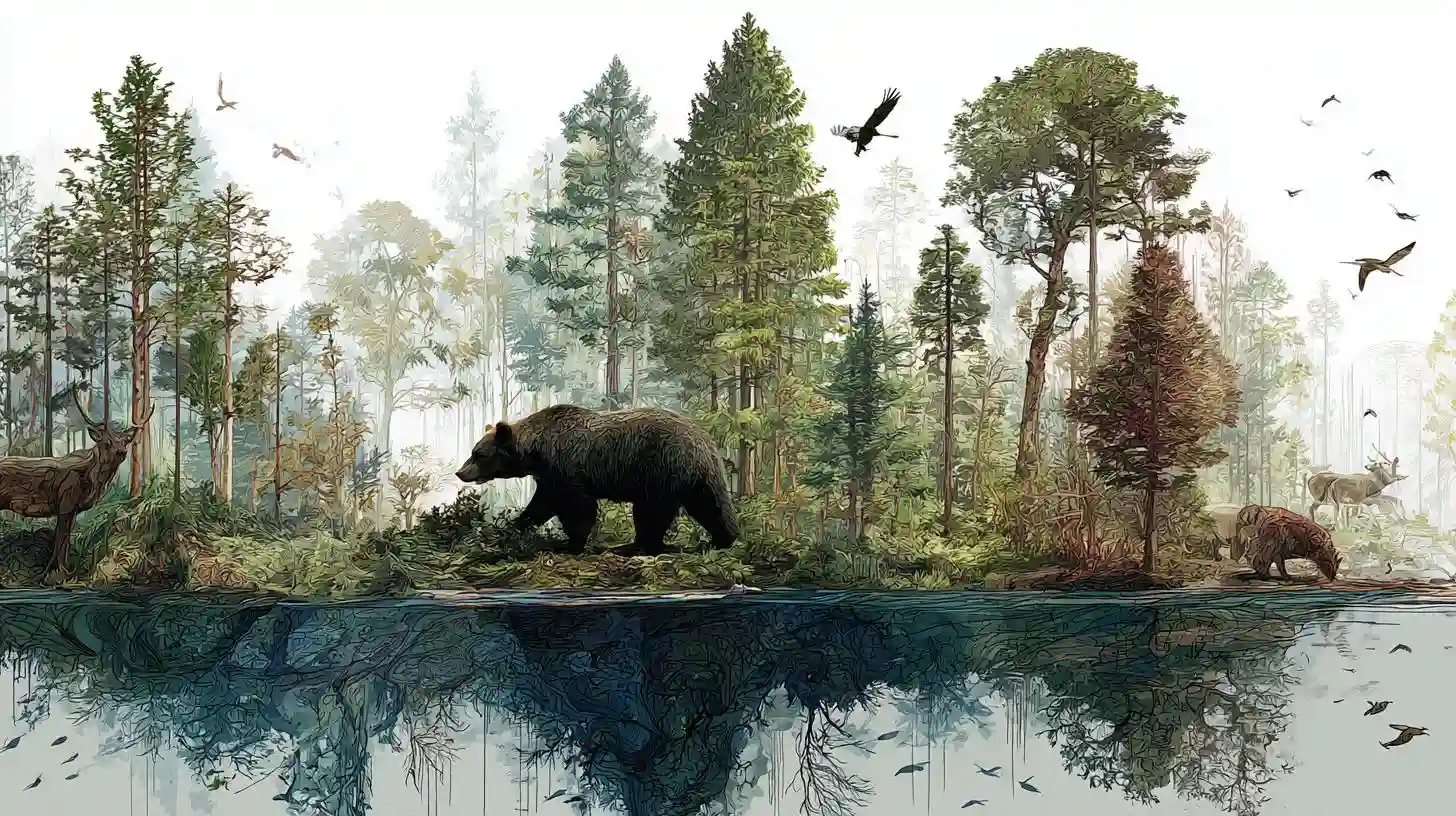
Animal behavior plays a crucial role in maintaining the balance of ecosystems. The interactions between animals and their environments are not only shaped by evolutionary pressures but also actively contribute to the stability and functioning of ecological systems. These behaviors, whether driven by survival instincts, reproductive needs, or social structures, affect the dynamics of species populations and their surrounding habitats.
Predation is a behavior that significantly impacts ecosystem structure. Carnivores regulate the populations of herbivores, which in turn influences the vegetation that forms the base of the food web. The hunting patterns of apex predators help prevent overgrazing and maintain plant diversity. For instance, the behavior of wolves in controlling deer populations helps preserve the integrity of forests by allowing vegetation to regenerate. This balance ensures that plant species thrive, which in turn supports a variety of herbivores and smaller predators.
Similarly, herbivores play a vital role in shaping plant communities through their grazing behavior. Grazing can stimulate plant growth, prevent certain species from becoming overly dominant, and promote biodiversity by creating space for a range of plant species to thrive. In some ecosystems, such as grasslands, the behaviors of large herbivores like bison or elephants can directly influence the composition and structure of the plant community, impacting all levels of the food web.
Animal behavior also influences nutrient cycling and soil health. For example, burrowing animals like earthworms, moles, and certain rodents contribute to soil aeration and the breakdown of organic matter. This activity not only enhances the soil’s fertility but also facilitates the growth of plants that are critical for sustaining herbivores and other organisms. Additionally, animals such as birds and insects play a pivotal role in pollination, ensuring the reproduction of many plant species that sustain a wide array of life forms.
Social behaviors within animal groups can also shape ecosystems. Cooperative hunting strategies, like those seen in dolphins or wolves, affect the availability of prey for other species, influencing food webs. Social structures in certain species, such as elephants or primates, also facilitate the movement of nutrients through ecosystems. As these animals travel across large areas, they help disperse seeds, fertilize the land with their waste, and maintain the vitality of the ecosystems they inhabit.
Thus, animal behavior is intertwined with the larger environmental processes that sustain ecosystems. Each action, from the predation of carnivores to the pollination by insects, contributes to the health and balance of the ecosystem, showing the intricate connections that sustain life on Earth.