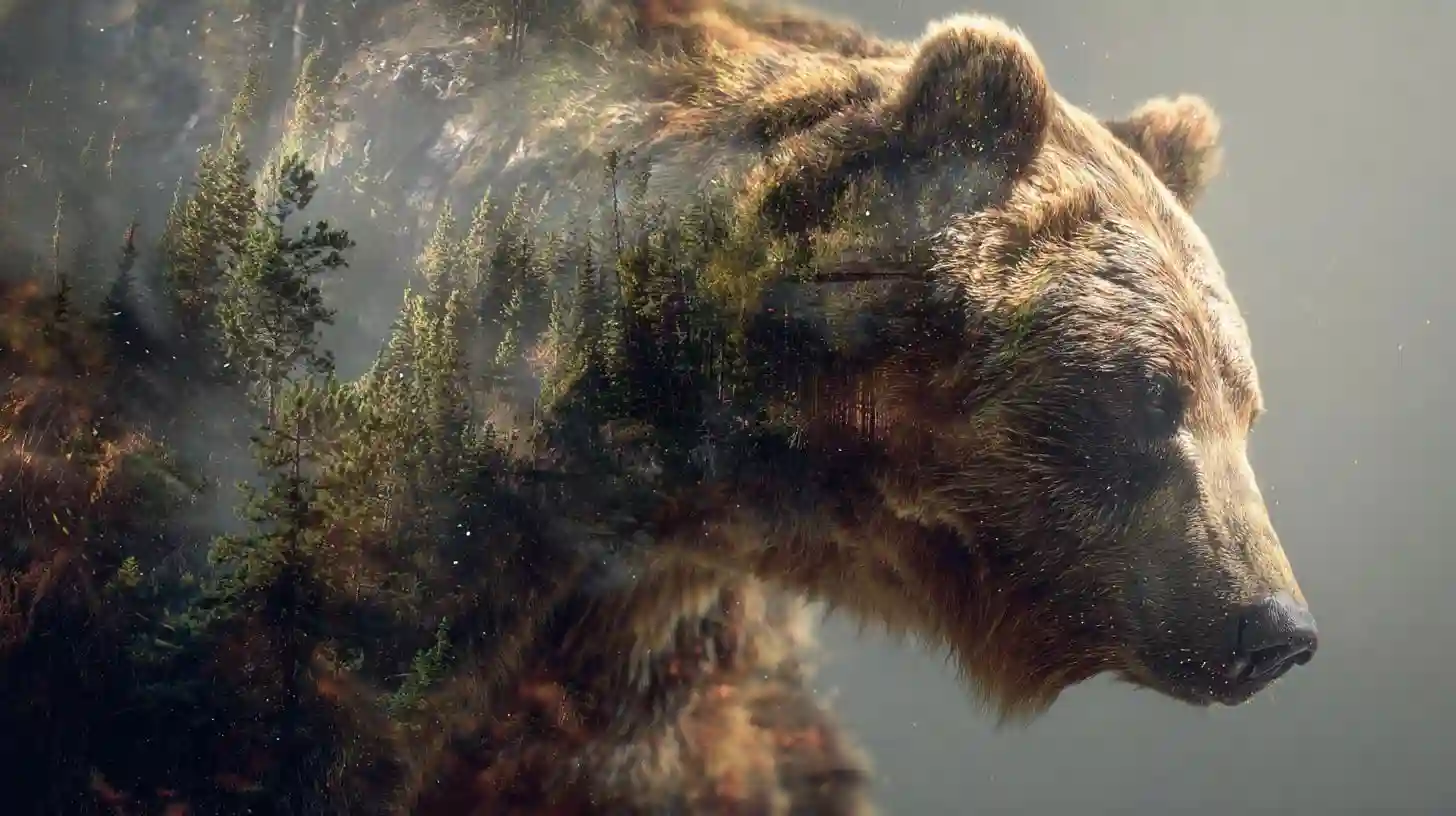
Bears have a unique approach to nutrition that varies depending on their environment and the season. These large mammals are omnivores, which means they have a highly adaptable diet. They consume a wide range of foods, from fruits and berries to fish, small mammals, and even plants. During the spring and summer months, bears primarily focus on high-protein and high-energy foods to build up body fat for the colder months. They spend a lot of time foraging for berries, nuts, and other vegetation, which provide the necessary vitamins and minerals. Protein sources such as fish, particularly salmon, are a crucial part of their diet, especially for species living near rivers or coastal areas. The high fat content in fish helps bears accumulate essential reserves for hibernation. Bears have a remarkable ability to store fat during times of abundance, a survival mechanism that ensures they have the energy to sustain themselves through the long winter months when food is scarce. As fall approaches, their eating habits shift to include larger quantities of calorically dense foods. Bears will often consume vast amounts of food in a relatively short period to maximize fat storage before hibernation. This process is known as hyperphagia, where they eat up to twenty hours a day, feeding almost continuously. While their diet predominantly consists of plants and animals, they also demonstrate a keen ability to forage and adapt their feeding strategies to different environments. Their ability to switch between different food sources, depending on what is available, highlights their impressive nutritional flexibility. They are opportunistic feeders, often adjusting their diet according to seasonal variations in food availability. This ability to adapt and change their eating habits is one of the reasons why bears can thrive in such diverse habitats, from forests to mountain ranges to coastal regions. This strategy allows them to gather the necessary nutrients to support their massive size, build up fat reserves, and survive harsh winters.