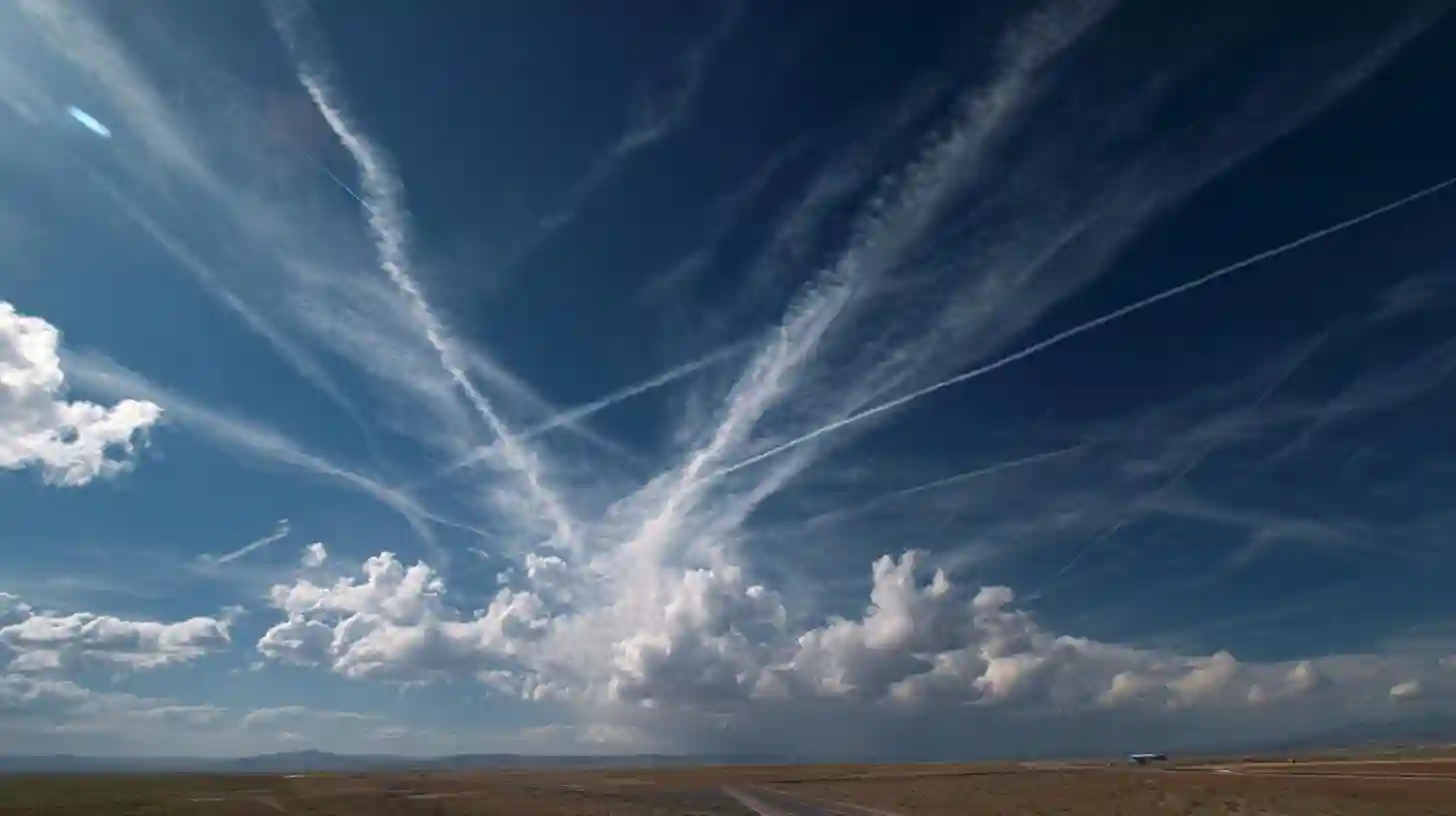
Cloud seeding is a weather modification technique that aims to enhance precipitation in areas where rainfall is insufficient. The process involves introducing substances into the atmosphere that act as nuclei to encourage the formation of clouds or to enhance existing clouds' ability to produce rain. The primary substances used for cloud seeding are silver iodide, potassium iodide, and sodium chloride. These particles mimic the natural nuclei that form around which water droplets can condense, making it easier for the moisture in the clouds to coalesce into droplets large enough to fall as rain.
The process of cloud seeding typically begins when weather conditions show promise for rain but the clouds are not yet able to produce precipitation on their own. Aircraft or ground-based generators release seeding agents into the clouds. These agents are carefully chosen because they have structures similar to ice, which is necessary for ice crystals to form in cold clouds. When the seeding material is introduced, it encourages the formation of ice crystals within the cloud. As the crystals grow, they eventually become heavy enough to fall to the ground as snow or rain.
Though cloud seeding has been used for decades, its effectiveness can be variable, depending on a range of factors such as the temperature, humidity, and the presence of suitable clouds. While it may work in certain situations, it is not guaranteed to produce significant rainfall. One challenge of cloud seeding is that it can be difficult to determine whether the precipitation would have occurred naturally without the intervention. Additionally, there are concerns about the environmental impact of the chemicals used in the process, though studies have shown that the quantities involved are generally too small to cause harm.
Despite these challenges, cloud seeding has become a valuable tool in regions where water resources are limited or where drought conditions persist. It is used in various parts of the world to augment rainfall, boost water supplies for agriculture, and reduce the risk of wildfires by increasing moisture levels in dry areas. The continued advancement of weather modification techniques and better understanding of atmospheric science may improve the efficiency and effectiveness of cloud seeding in the future.