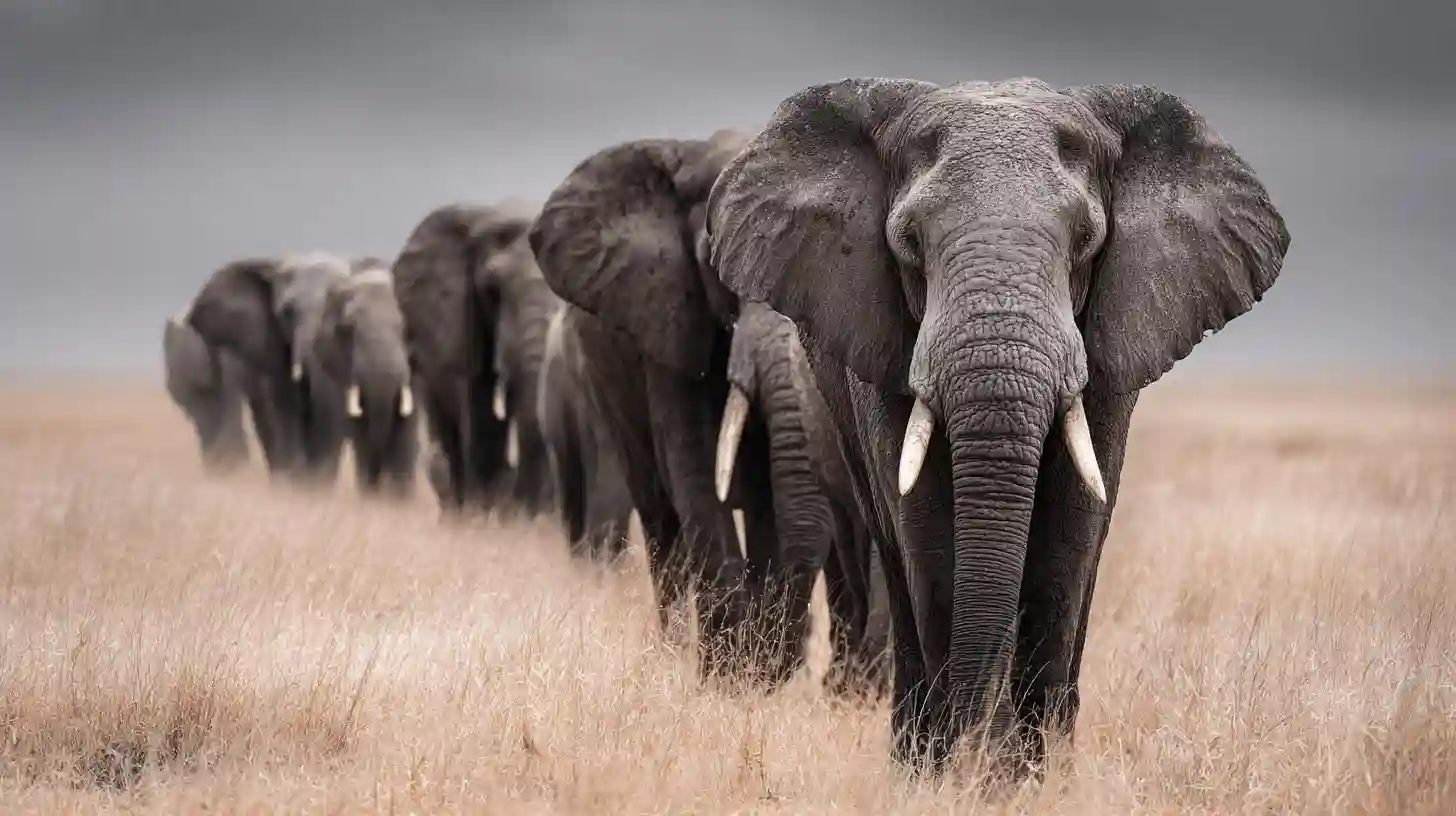
African elephants exhibit complex migration patterns that are heavily influenced by the availability of food, water, and environmental conditions. These majestic creatures are known to travel long distances, moving between different regions in search of sustenance and favorable living conditions. Typically, elephants follow seasonal patterns, with their movements shifting depending on the rains and the availability of vegetation. When the dry season approaches, elephants tend to move toward areas with reliable water sources, often traveling across vast distances to reach riverbeds or watering holes. Their migratory paths are not always linear, as they navigate across varying landscapes that may include forests, savannas, and grasslands.
The migration of African elephants is also influenced by social dynamics within their herds. Female elephants, who typically lead the group, rely on their knowledge of the landscape to guide the herd along established routes. These routes, passed down through generations, are learned by younger elephants as they grow. The movement of the herd is often synchronized, as the animals prefer to travel together for protection and social bonding. Male elephants, on the other hand, may lead more solitary lives, particularly as they reach adulthood. They often leave their maternal groups to roam independently or form smaller bachelor herds, depending on the availability of mates and the need to establish their dominance in the population.
Environmental challenges, such as habitat fragmentation and human encroachment, can significantly disrupt the migration patterns of African elephants. As urbanization and agriculture expand, elephants are forced to navigate new obstacles, including fences, roads, and settlements. These barriers hinder their ability to follow traditional migration routes, which can lead to conflicts with local human populations. Moreover, the loss of migratory corridors may reduce the elephants' access to key resources, potentially impacting their health and reproductive success.
In areas where conservation efforts are in place, migration patterns are sometimes monitored using GPS tracking devices. These efforts provide valuable insights into the elephants' movements and help in creating protected corridors that allow for safer and more natural migration. By preserving these routes, conservationists aim to ensure that African elephants can continue their migratory behavior, which is essential for their survival in the wild.