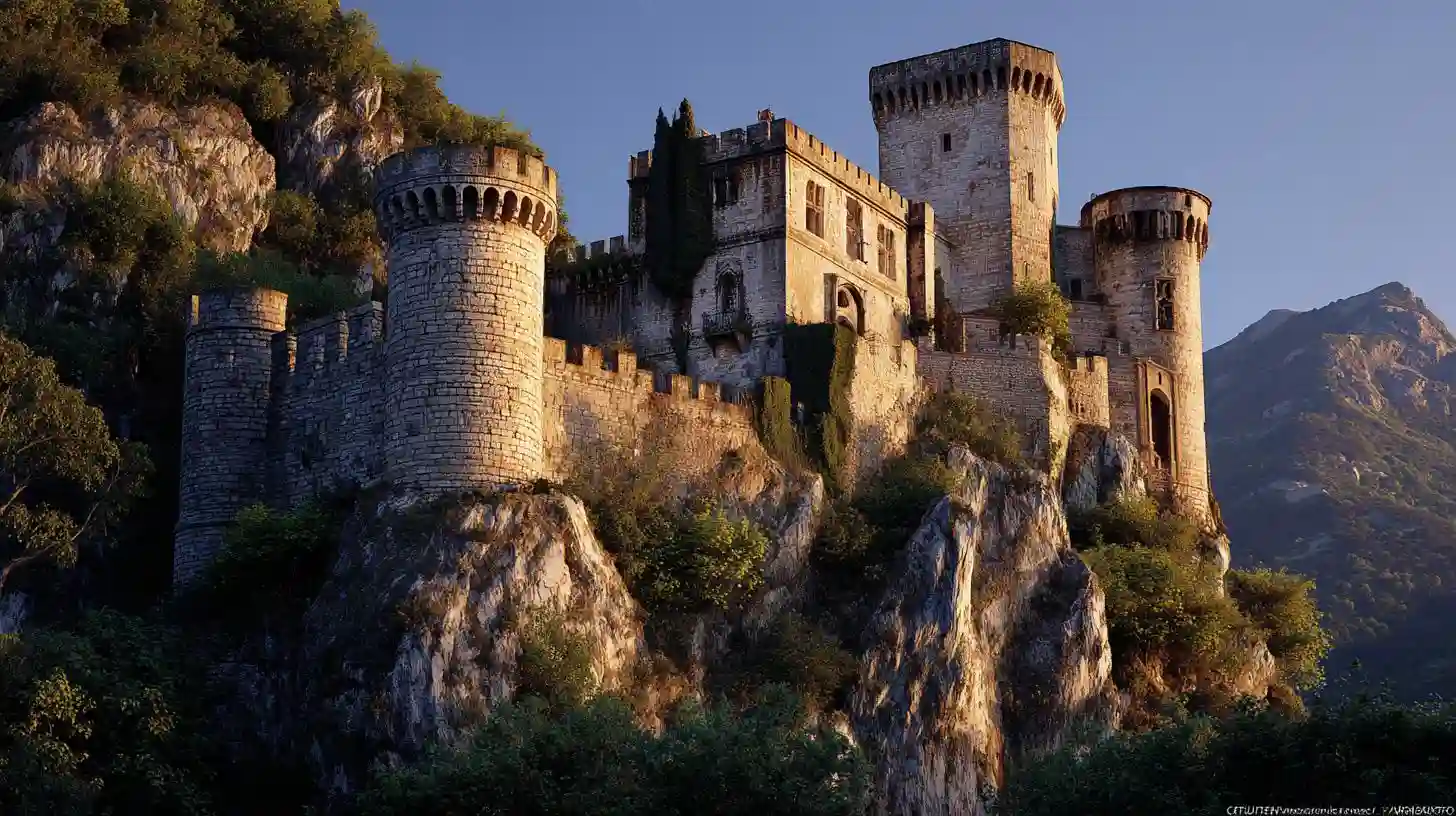
European castles are more than just architectural structures; they are symbols of the history, culture, and values of their regions. These castles, many of which have stood for centuries, offer a glimpse into the past, showcasing the different architectural styles, social hierarchies, and cultural influences that shaped them. Each castle is unique, often reflecting the distinct heritage and traditions of the region in which it is located.
In countries like France and Germany, castles often represent the feudal system that once governed much of Europe. The imposing walls and towers were designed not only for defense but also to project power and authority. The design of the castle, with its thick stone walls and strategically placed windows, indicates the importance of security and the need to withstand external threats. The layout of these castles, often centered around a large courtyard, emphasizes the role of the castle as both a military stronghold and a center of governance. In France, castles like the Château de Versailles are emblematic of the country’s monarchy, with grand halls and gardens that reflect the opulence and sophistication of French royal culture.
In the United Kingdom, castles reflect the Norman influence and the long history of British royalty. Castles such as the Tower of London, built by William the Conqueror, stand as a testament to the military and political power that shaped the kingdom’s history. These castles were often the centers of both political and judicial life, where laws were made, and justice was served. The castle’s role as a home for the ruling elite is also evident in the luxurious furnishings and intricate designs found in many of these historic buildings.
In regions like Spain and Portugal, castles often reflect the cultural clash between Christian and Moorish influences. The Alhambra in Spain, for example, combines Islamic artistry with Christian architecture, highlighting the complex historical layers that shaped the Iberian Peninsula. The fusion of architectural styles in these castles tells the story of the coexistence and conflict between different cultures and religions.
Each castle, from the Scottish Highlands to the plains of Hungary, tells a different story of the people who lived there, their values, and their dreams. Castles were not only military fortresses but also centers of culture, education, and the arts. Many castles, especially those in Italy and the Low Countries, were decorated with stunning frescoes and intricate tapestries, which depicted the cultural and religious stories of the time. The preservation of these castles today provides valuable insight into the region's artistic heritage.
As tourists visit these castles, they are not merely exploring the past but also engaging with the living history of Europe. These structures continue to be a source of pride for the local populations, representing the strength, resilience, and creativity of the people who built them. In this way, European castles are more than just relics of history; they are living testaments to the cultural heritage that shaped the continent’s identity over time.